Artist Spies: Culture and Intelligence
The role of artist spies throughout history highlights the powerful connection between art and political influence. Artists like Pablo Picasso and George Orwell used their platforms and creativity to address social issues and inspire change. This blend of art and espionage reveals how cultural expressions can shape political narratives and drive social movements in contemporary society.
Have you ever wondered how Cultural Intelligence is shaped by those on the frontlines of creativity? Artists play a pivotal role in conveying messages that resonate deeply, often weaving in political contexts through their work. Let’s dive into this fascinating world!
Exploring the intersection of art and espionage
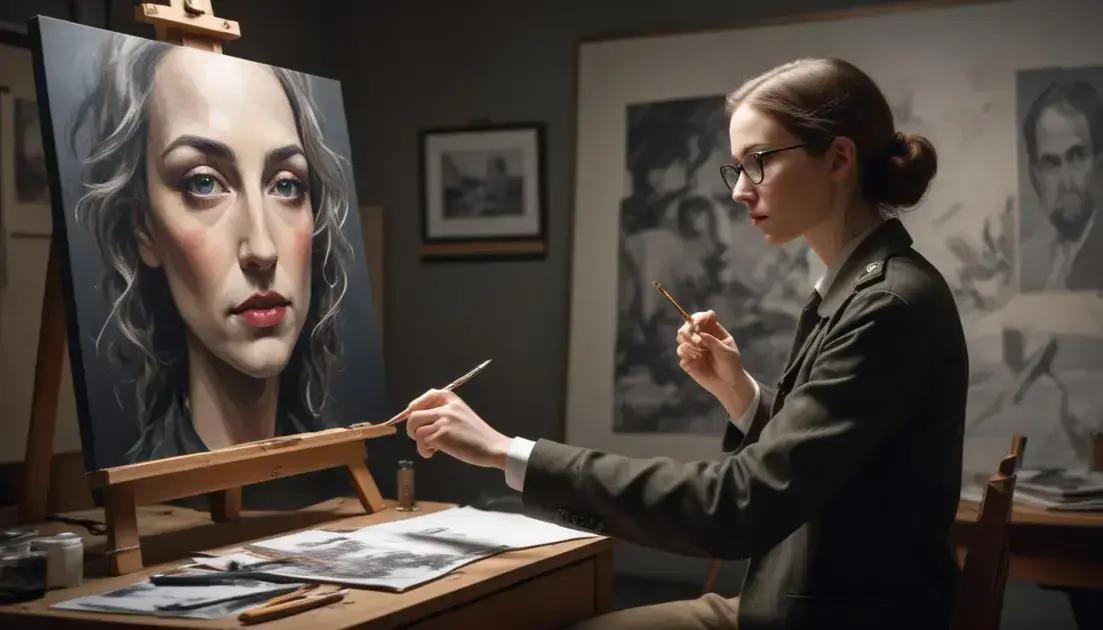
Art and espionage might seem like an odd pair, but they actually share a deep connection. Both fields often require creativity, observation, and stealth. Artists can capture ideas and emotions, making them powerful tools in the world of intelligence.
The Role of Artists as Spies
Throughout history, many artists have used their talents for spying. They blend into society, gathering information without raising suspicion. This makes them perfect for the secretive world of espionage.
Famous Artist Spies
Consider famous figures like Pablo Picasso and his connections during World War II. He used his art to convey messages and communicate with others involved in the resistance. Similarly, writers and musicians have also played roles in intelligence efforts.
Art as a Medium for Communication
Art can express ideas that words sometimes cannot. An artist’s work may deliver subtle, coded messages that encourage rebellion or unity. This makes art vital in times of conflict.
Modern Examples
In today’s world, artists continue to participate in intelligence work. They may create campaigns that raise awareness or support causes tied to social justice. Their art often sparks conversations and can influence public opinion.
The blend of art and espionage illustrates the unique ways creativity can impact society. This connection shows how art is more than just beauty; it’s a powerful tool for change.
Historical examples of artists as spies
Many artists throughout history have played crucial roles as spies. They often used their talents to gather secrets while blending into society. Their unique position allowed them to blend in and observe without drawing attention.
Leonardo da Vinci
Leonardo da Vinci wasn’t just a painter. He was also a spy for the Duke of Milan. He sketched maps and designs for military machines. This helped him gain favor with powerful leaders.
Picasso and World War II
Pablo Picasso’s art during World War II was deeply political. He used his fame to speak against war and fascism. While creating impactful pieces, he also worked with the French Resistance.
Other Notable Artists
Many other artists have served as spies. Writers like Virginia Woolf helped spread anti-Nazi messages. Musicians like Billie Holiday used their art to inspire hope and resistance.
The Importance of Disguise
Artists often mastered disguise, which helped them gather information. Their ability to adapt made them valuable assets to different causes.
These historical examples show how artists as spies used creativity and cunning to impact their worlds. Their stories inspire us to see the power of art beyond mere aesthetics.
The role of culture in shaping political narratives
Culture plays a huge role in shaping political narratives. It influences how people see the world around them. Through art, music, and literature, cultures express ideas that can sway public opinion.
Cultural Art Forms
Different art forms often reflect the values and beliefs of a society. For example, literature can challenge the status quo. This can inspire change and motivate people to take action.
How Artists Influence Politics
Artists frequently comment on political issues through their work. Movies and songs can highlight social injustices. This sparks conversations and urges people to think about their beliefs.
Historical Examples
Throughout history, artists have used their platforms to engage with political issues. From protest songs in the 1960s to powerful films today, culture has a voice. It speaks in ways that directly impact political movements.
Culture and Collective Identity
Culture helps shape our collective identity. It brings people together, creating a sense of belonging. This shared identity can drive political action and change.
By understanding the role of culture in shaping political narratives, we can see how art and expression matter in our daily lives. They reflect our struggles, hopes, and aspirations for the future.
Case studies of influential artist spies
Throughout history, certain artist spies have shaped narratives through their unique perspectives. These individuals used their talents to gather intelligence and influence politics.
George Orwell
George Orwell was not only a writer but also involved in the Spanish Civil War. His experiences influenced his views on totalitarianism. His book “1984” is a powerful warning about oppressive governments.
Diego Rivera
Diego Rivera, a famous muralist, took part in political movements in Mexico. His art highlighted social issues and pushed for change. Rivera’s work often carried strong political messages, drawing attention to the struggles of the working class.
John Lennon
John Lennon used his music as a form of protest. His song “Imagine” called for peace amid conflict. He wasn’t just a musician; he was a voice for anti-war movements, using his platform for change.
Barbara Kruger
Barbara Kruger is known for her bold graphics and political statements. Her work often challenges the status quo. She raises awareness about feminism and consumerism, making people think critically about society.
These case studies of influential artist spies show how art can influence political realities. They remind us that creativity can provide a powerful lens for understanding and changing the world.
Implications for contemporary society
The implications of artist spies for contemporary society are vast. They show us how art can influence and reflect our world. Today, artists often tackle issues like inequality, war, and social justice.
Art as Activism
Many artists use their work to inspire change. They engage with current events, pushing us to think critically about pressing issues. This kind of activism makes art a powerful tool for social commentary.
Influence of Social Media
With social media, artists reach wider audiences quickly. They can share their messages instantly, allowing for rapid conversation. This helps spread awareness about important topics all over the globe.
Collaborative Projects
Contemporary artists often collaborate with communities. These projects promote dialogue and understanding among diverse groups. When culture meets activism, it can lead to significant social change.
Cultural Legacy
The legacy of artist spies reminds us of the power of creativity. Their impact on politics and society shapes how we view current events. Art continues to challenge us and encourage discussions about our future.
In summary, the implications for contemporary society are profound. Artists challenge norms and inspire us to dream about a better world through their work.
Conclusion
In conclusion, the fascinating world of artist spies shows us how art and politics are deeply connected. From historical figures like Picasso to modern activists, artists have used their talents to influence society. Their work challenges us to think about important issues and inspires change.
As we navigate contemporary life, art remains a powerful tool. It helps us understand and respond to our world. By recognizing the role of artists, we can appreciate how creativity shapes our views and drives social movements. In the end, supporting and engaging with art can lead us to a brighter and more informed future.