The Geopolitical Legacy of the Cold War in the 21st Century
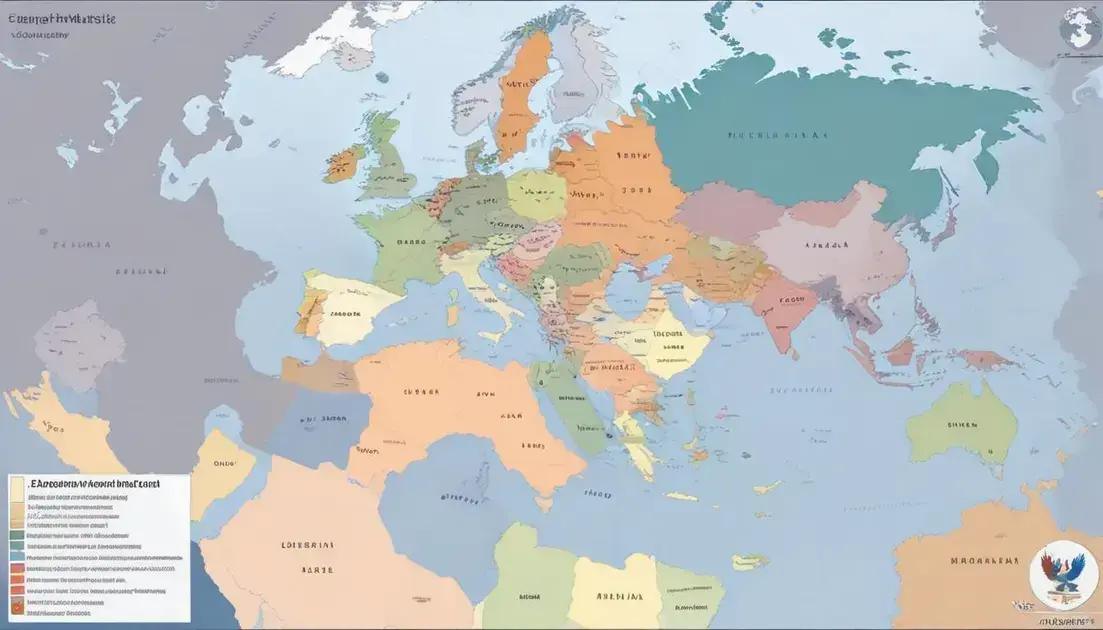
The Cold War’s geopolitical legacy continues to impact global politics today, driving rivalries and alliances. Key issues include current tensions in Ukraine and the South China Sea, as well as the influence of international organizations. Future predictions suggest shifting power dynamics, rising climate challenges, and technology’s role in shaping relations between nations. Understanding these factors is crucial for navigating the complexities of modern geopolitics.
In our ever-changing world, the legacy of geopolitics from the Cold War era looms large. Ever wondered how these historical rivalries shape today’s global dynamics?
The ongoing influence of Cold War alliances
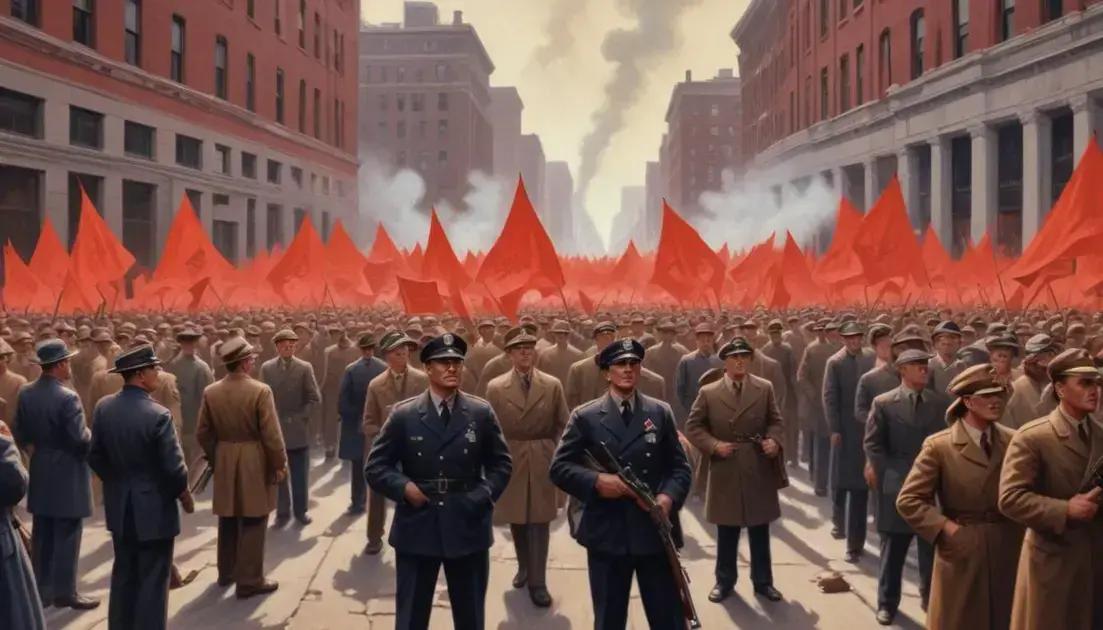
The Cold War was a time of intense rivalry. It shaped alliances that still affect us today. Countries formed important partnerships and created organizations that have influenced global politics. Some of these alliances came from fears and ideologies held during the Cold War.
Key Alliances and Their Impacts
For example, NATO was established to counter Soviet threats. It remains a crucial military alliance. Today, NATO influences military strategies and international relations. Similarly, the Warsaw Pact was formed as a counterweight by the Soviet Union, impacting nations in Eastern Europe.
Modern-Day Relationships
Many countries still look to these historical alliances for guidance. Nations that were once enemies now work together. They cooperate on issues like security, trade, and climate change. The legacy of the Cold War still shapes the way countries interact.
The Role of Collective Defense
Collective defense agreements, like article 5 of NATO, say an attack on one is an attack on all. This principle strengthens unity among member nations. It acts as a deterrent against potential aggressors.
Understanding these relationships helps us grasp today’s geopolitical landscape. Cold War alliances remind us that history plays a vital role in shaping current events and future possibilities.
Current geopolitical tensions and alliances
Today, geopolitical tensions are evident across the globe. Rivalries from the past influence how countries interact now. Major powers often clash over trade, territory, and resources. These conflicts can lead to unstable alliances and strategic partnerships.
Examples of Current Tensions
For instance, tensions between the U.S. and China are escalating. Areas like trade practices and military presence in the South China Sea create friction. Similarly, Russia’s actions in Eastern Europe raise concerns for NATO members. These scenarios show how past conflicts shape modern relations.
The Role of Alliances
Alliances play a key part in today’s geopolitical landscape. Nations band together for security and mutual support. For example, NATO remains strong amidst rising threats. This alliance helps countries feel more secure against potential aggressors.
Countries also form new partnerships based on shared interests. These alliances can shift quickly based on political changes or economic needs. Understanding these dynamics helps us grasp current global issues.
The Impact on Global Stability
Geopolitical tensions affect global stability. They can lead to economic sanctions, military conflicts, or diplomatic efforts. Countries strive for balance, as instability can disrupt trade and international relations.
By paying attention to these tensions and alliances, we see the complex web of international relations today. The legacy of the Cold War influences how countries navigate these challenges.
The role of international organizations
International organizations play a vital role in today’s world. They help countries cooperate on shared issues like security, health, and trade. By promoting dialogue, these groups aim to prevent conflicts and foster peace.
Types of International Organizations
There are many types of international organizations. Some focus on security, like the United Nations (UN). Others, like the World Trade Organization (WTO), concentrate on economic matters. These organizations provide a platform for nations to address global challenges together.
Facilitating Communication
Through meetings and discussions, international organizations facilitate communication. They provide a space for countries to voice concerns and find solutions. This helps build trust among nations.
Organizations like NATO and the UN address security threats. They offer a framework for collective action, making global cooperation crucial. In contrast, organizations focusing on economic issues help regulate trade and promote fair practices.
Influence on Geopolitical Dynamics
International organizations influence geopolitical dynamics significantly. They can mediate conflicts and provide humanitarian assistance. By acting as intermediaries, they help maintain stability in tense situations.
In a world with complex relationships, these organizations help shape policies and decisions. Their efforts ensure that nations can work together for a better future.
Case studies of contemporary geopolitical conflicts
Case studies of contemporary geopolitical conflicts reveal complex dynamics. Each conflict holds lessons about international relations. They help us understand how alliances and rivalries shape the world.
Ukraine and Russia
The conflict between Ukraine and Russia is a prime example. It began in 2014 with Crimea’s annexation. This war highlights the struggle for power and territorial integrity. Many countries have taken sides, showing the impact of alliances.
The South China Sea Dispute
Another significant conflict is the South China Sea dispute. Multiple countries claim parts of this vital waterway. China’s aggressive actions challenge international law and raise tensions. The U.S. supports allies in the region, emphasizing freedom of navigation.
The Syrian Civil War
The Syrian Civil War illustrates the chaos of modern conflicts. It involves various groups and foreign powers. Each player has different interests, complicating peace efforts. This situation shows how geopolitics affects human lives and regional stability.
By studying these conflicts, we see how deeply intertwined global politics can be. They remind us of the ongoing impact of past events on today’s challenges.
Future predictions for global geopolitics
Future predictions for global geopolitics often spark curiosity. Many experts analyze current trends to guess what might happen. The world is more connected than ever, making changes fast and complex.
Shifting Power Dynamics
One major prediction is the shifting power dynamics. Countries like China are rising quickly. As their influence grows, the balance of power may shift. This could lead to new alliances and rivalries.
The Climate Crisis
The climate crisis could also shape geopolitics. Nations may fight over resources like water and energy. Environmental changes may force countries to cooperate more closely. This could lead to new agreements and partnerships.
Technology’s Role
Technology will continue to play a big role. Innovations in communication and defense are changing how countries interact. Cybersecurity will be a top priority as nations protect their data and infrastructure.
Moreover, social media shapes public opinion and influences political decisions. Leaders must adapt to these changes to stay relevant and effective.
By understanding these trends, we can better grasp the future landscape of global geopolitics. Staying informed helps us navigate the complexities ahead.
Conclusion
In conclusion, understanding the geopolitical landscape is crucial for navigating today’s complex world. The legacy of the Cold War, ongoing conflicts, and shifting alliances shape our current reality.
Looking ahead, we see that factors like climate change, technology, and shifting power dynamics will continue to influence global politics. By staying informed and aware of these trends, individuals and nations can better prepare for the future.
Engaging with international organizations and understanding their roles can also foster cooperation. This helps create a more stable future for everyone. Ultimately, being aware of these factors not only informs policy but also influences the way we connect globally.