Hiroshima and Nagasaki: The Power That Changed the World
The bombings of Hiroshima and Nagasaki in 1945 had a profound impact on global politics and culture, shifting power dynamics and raising awareness about the dangers of nuclear warfare. They led to significant health issues for survivors and prompted international treaties aimed at nuclear disarmament. Cultural representations through films, literature, and art highlight the human experience and personal stories from this tragic period. The lessons learned emphasize the importance of peace and the need for ongoing dialogue to prevent future nuclear conflicts.
Nuclear bombings of Hiroshima and Nagasaki in 1945 transformed the world forever. Discover how these pivotal events reshaped global politics and human history.
The Impact of the Bombings
The bombings of Hiroshima and Nagasaki had a huge impact on the world. On August 6 and 9, 1945, the United States dropped atomic bombs on these cities. This act changed war and international relations forever.
The Immediate Aftermath
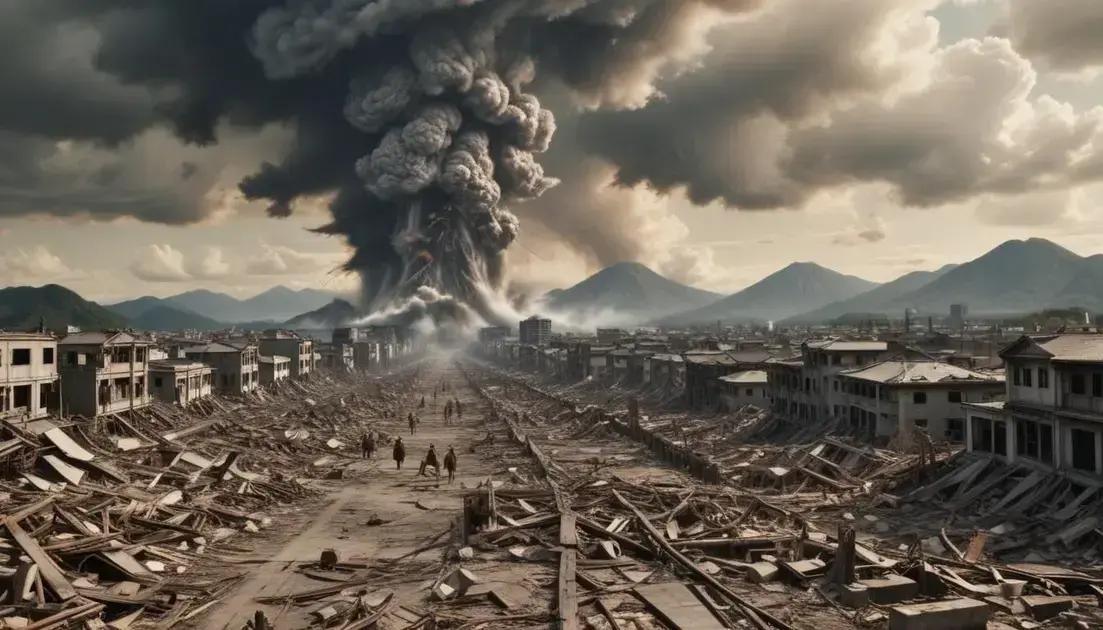
Immediately, the bombings caused massive destruction. Hiroshima was almost completely destroyed. Many people lost their lives, and those who survived faced serious injuries and health problems. In Nagasaki, the scene was similar. The devastation left survivors with deep emotional scars.
Global Reactions
The bombings shocked the world. Countries reacted with horror and disbelief. Many leaders questioned the morality of using such weapons. There was fear that future wars could involve more nuclear attacks.
A Shift in Power
The impact wasn’t just about destruction. It shifted global power dynamics. The U.S. emerged as a superpower after demonstrating its nuclear capability. Other nations started to develop their own nuclear programs.
Long-term Effects
The long-term effects of the bombings are still felt today. They sparked debates about nuclear warfare and arms control. Treaties have been signed to prevent the spread of nuclear weapons, but challenges remain.
Many documentaries and books discuss these events, showing their ongoing relevance. The bombings are reminders of the dangers posed by nuclear weapons. By remembering the past, we can strive for a more peaceful future.
Reactions from Global Leaders
After the bombings of Hiroshima and Nagasaki, global leaders reacted strongly. Their responses shaped future international relations greatly. Many were shocked by the scale of destruction.
U.S. Leadership
Some leaders in the U.S. praised the bombings. They argued it ended World War II quickly. Others worried about the moral implications of using atomic bombs.
International Concerns
World leaders expressed a mix of fear and disbelief. They worried about a new type of warfare. The bombings raised questions about safety for everyone. Nations began to reassess their military strategies.
Calls for Disarmament
Many leaders pushed for disarmament after the bombings. They believed in preventing future nuclear conflicts. Treaties, like the Treaty on the Non-Proliferation of Nuclear Weapons, started to form. These agreements aimed to limit the spread of nuclear arms.
Public Outcry
The global public also reacted strongly. Many protests against nuclear weapons erupted. Citizens demanded governments work towards peace and safety. The bombings galvanized a push for more humane policies in warfare.
Over time, these reactions laid the groundwork for discussions about nuclear safety. The impact of those bombings continues to resonate, influencing peace talks and policies.
Long-term Consequences
The long-term consequences of the Hiroshima and Nagasaki bombings are profound. These events changed how countries view war and peace. The effects are still felt today.
Health Impacts
Many survivors suffered from severe health problems. Radiation exposure caused illnesses, including cancer. These health issues affected future generations too, leading to ongoing medical care and community support.
Political Changes
Politically, the bombings shifted power around the globe. Nations began developing nuclear weapons. This arms race increased tensions during the Cold War. Countries felt they needed nuclear power for security.
Cultural Reflections
Culturally, the bombings influenced art, literature, and film. Many pieces explore the horrors of nuclear war. These works remind the world of the importance of peace.
Global Treaties
In response to the threat of nuclear war, treaties emerged. Agreements like the Non-Proliferation Treaty aim to reduce nuclear weapons. Countries committed to work towards disarmament and peaceful uses of nuclear energy.
These long-term consequences highlight the need for awareness and dialogue. Understanding the past helps prevent future tragedies related to nuclear weapons.
Cultural Representations
Cultural representations of the Hiroshima and Nagasaki bombings are powerful. These events have inspired many art forms. They help people understand the heavy impact of nuclear warfare.
Films and Documentaries
Numerous films have been made about these bombings. Movies like “Hiroshima Mon Amour” show personal stories of loss. Documentaries explore historical facts and the human experience during the bombings.
Books and Literature
Books also reflect the effects of the bombings. Authors write about survivors and their struggles. Novels often depict the horror and aftermath, making readers think about peace.
Art Exhibitions
Art exhibitions present works inspired by the bombings. Artists use paintings and installations to convey feelings of grief and hope. These works encourage conversations about the dangers of nuclear weapons.
Musical Works
Music has also played a role in representing the bombings. Composers and musicians express emotions through their songs. Lyrics often address loss, fear, and the longing for peace.
These cultural representations serve as reminders of the past. They encourage society to reflect on the tragedy and push for a more peaceful future.
Lessons Learned
The bombings of Hiroshima and Nagasaki taught the world important lessons. These lessons go beyond the events of 1945. Understanding them can help prevent future tragedies.
The Need for Peace
One major lesson is the value of peace. War has devastating effects. People realized that dialogue can solve conflicts instead of violence.
Importance of Treaties
Treaties to limit nuclear weapons are crucial. Agreements like the Non-Proliferation Treaty aim to keep peace. Countries learned that cooperation is key to global security.
Human Resilience
The strength of survivors showed resilience. Despite immense suffering, many people rebuilt their lives. Their stories inspire hope and remind us of the need for compassion.
Awareness of Nuclear Threats
The impact of nuclear weapons is still relevant. Awareness and education about these threats are vital. Teaching the consequences of nuclear war can prevent future use of such arms.
By learning from history, societies can work towards a safer world. These lessons remind us of our responsibility to promote peace and understanding.
Conclusion
In conclusion, the bombings of Hiroshima and Nagasaki left a lasting impact on the world. These events taught us valuable lessons about the need for peace and the importance of cooperation. Understanding the consequences of nuclear warfare reminds us that we must strive for a safer future.
By remembering the resilience of survivors, we learn the power of compassion and hope. Promoting dialogue and education about nuclear threats is crucial. It helps ensure that history does not repeat itself.
As we reflect on these events, let us commit to working together for a world without nuclear weapons. The lessons learned should inspire us to build a more peaceful and understanding society for everyone.
Tags: