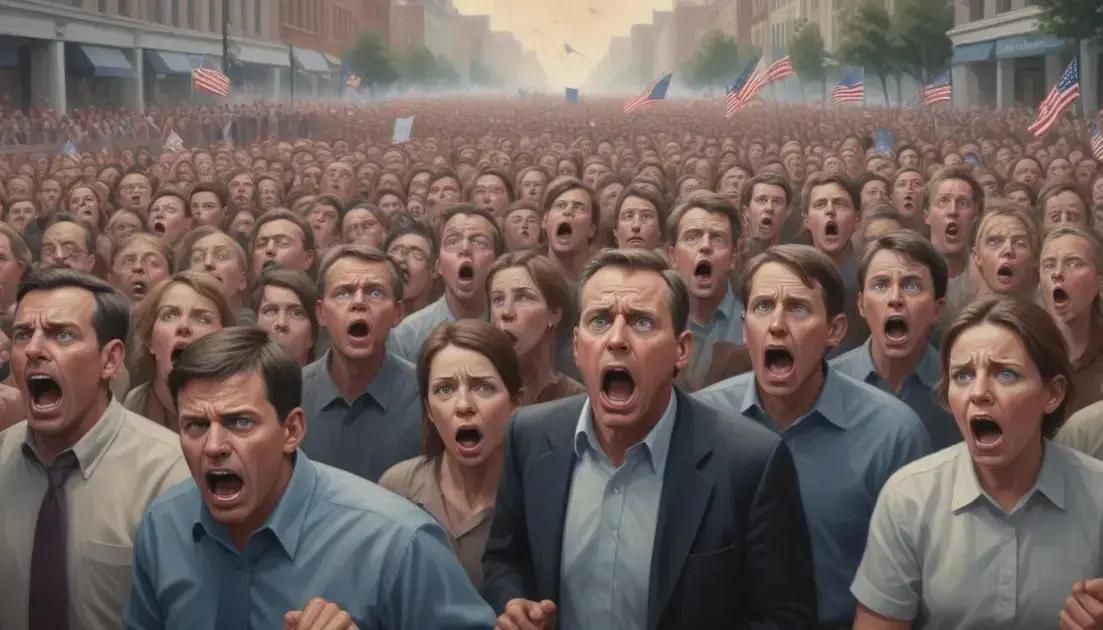
Political Psychology: Fear as a Tool of Control
The interplay of fear and nationalism in politics significantly influences governance and citizen behavior. Political leaders often exploit fear to manipulate public opinion and create a sense of unity. This manipulation can lead to emotional responses, shaping electoral decisions and policy support. Understanding these dynamics helps voters recognize misinformation and emotional appeals, fostering critical engagement in societal discussions and promoting an informed electorate.
Political Psychology is an intriguing subject that delves into how fear is used as a control mechanism by governments. Are you curious about how anxiety shapes our political landscape? Read on!
Introduction to Political Psychology
Political psychology looks at how our minds shape our political beliefs and actions. It studies how emotions, especially fear, influence our choices. For example, fear can push us to support certain leaders or policies. This is especially true in tough times when uncertainty rises.
Governments often tap into our fears. They might use media or speeches to stir emotions. This can lead people to rally around nationalistic ideas or to accept strict policies. Understanding this can help us see when our decisions are driven by fear rather than reason.
The Role of Emotion in Politics
Emotions are powerful in politics. They can motivate people to support movements or policies. For instance, when people feel threatened, they may favor strong leaders who promise safety. In this way, fear can be a tool for control.
Nationalism and Its Impact
Nationalism often grows during times of crisis. People may feel a strong bond with their country, especially when they face outside threats. This sense of unity can lead to both positive and negative outcomes. It can encourage patriotism but also create divisions.
Fear and Anxiety as Control Mechanisms
Fear and anxiety are powerful tools in politics. They can shape how people think and act. When people are anxious, they often look for security. This is where leaders can step in. They may promise safety and stability to gain support.
Governments might use fear to influence decisions. They highlight threats, whether real or perceived. This can lead people to accept tighter rules or limits on their freedoms. In many cases, fear can lead to quick reactions that might not be well thought out.
Examples of Fear in Politics
Look at history. Many leaders have used fear tactics. They create a narrative around threats, real or imagined, to rally support. For example, during wartime, leaders often emphasize the dangers to unite people.
Media’s Role in Amplifying Fear
Media plays a big part in spreading fear. News outlets often highlight threatening events or crises. This can make people feel unsafe. When you watch scary stories repeatedly, it can shape your thoughts and feelings. Fear can spread quickly through news and social media.
Historical Examples of Fear in Politics
Throughout history, fear has been used in many political strategies. Leaders often pull on the strings of fear to achieve their goals. These strategies can be seen in various events worldwide.
One famous example is during wartime. Leaders often highlight threats to unite their people. For instance, during World War II, many governments used fear to rally support and justify actions.
Another example comes from the Cold War. The fear of nuclear war shaped policies and politics. Many countries promoted the idea of an enemy lurking nearby to gain control over their citizens.
Fear During the Great Depression
The Great Depression also showed how fear can influence politics. Economic collapse led to widespread anxiety. Many turned to strong leaders who promised recovery. These leaders often used fear of poverty to secure loyalty and support.
Post-9/11 America
After September 11, 2001, fear became a tool for the U.S. government. The emphasis on terrorism justified new laws and practices. Many citizens accepted changes in privacy for safety. This showed how fear can reshape a nation’s policies.
The Role of Nationalism in Governance
Nationalism plays a major role in how governments operate. It can inspire unity and pride among citizens. When people feel a strong connection to their nation, they often rally together. This shared sense of belonging can lead to collective action.
Governments use nationalism to strengthen their power. They may promote national symbols, like flags and anthems, to foster this bond. Leaders often highlight national identity during speeches to create excitement and loyalty.
Nationalism During Crises
During times of crisis, nationalism can grow stronger. For instance, in wars, it can bring people together to support the nation. This solidarity can sometimes lead to a blind acceptance of government actions driven by fear.
Positive and Negative Effects
While nationalism can promote unity, it can also have downsides. It can lead to exclusion of others who don’t share the same identity. This can create divisions and even conflict between different groups within a country.
Current Trends in Political Manipulation
Current trends in political manipulation show how technology shapes our political landscape. Social media platforms now play a big role. Politicians and organizations use these tools to reach many people quickly.
One major trend is the use of data analytics. Campaigns analyze voter data to create targeted messages. This means that voters see ads that appeal directly to their fears and desires.
Influence of Misinformation
Misinformation is another big issue today. False information spreads quickly online. When people trust these misleading stories, it can change how they vote and think.
Emotional Appeals
Emotional appeals also drive political manipulation. Politicians often use fear, anger, or hope to guide public reactions. These emotions can make people more likely to support certain policies or candidates.
News Media’s Role
News media can amplify these trends. Sensational stories often grab attention. This can distract from important issues and shape public opinion without a clear understanding of the facts.
Conclusion
Understanding how fear and nationalism shape politics is crucial. These concepts influence how leaders govern and how citizens respond. By being aware of these influences, we can make better choices as voters.
Political manipulation often relies on emotions like fear and anxiety. The better we understand these tactics, the more informed we become. This helps us see through misinformation and emotional appeals.
As we navigate the ever-changing political landscape, staying educated is key. Observing current trends can empower us to react thoughtfully. Engaging in discussions around these topics also helps build a more informed society.
Conclusion
In conclusion, understanding the role of fear and nationalism in politics is vital. These factors shape the way leaders govern and influence how citizens respond to them. By recognizing how political manipulation works, we can make smarter choices as voters.
Today’s political landscape is often driven by emotions like fear and anxiety. When we stay aware of these tactics, we can spot misinformation and emotional appeals more easily. Engaging in discussions about these topics helps build a informed community.
As we continue to explore these important issues, being educated and critical thinkers will empower us. Through awareness and discussion, we can strive for a political environment that truly serves the people.