The society of the spectacle and media manipulation
Media manipulation plays a significant role in shaping public opinion through various forms of entertainment, including films, social media, and advertising. By influencing how we perceive social norms and issues, media can create awareness or reinforce stereotypes. Examples from modern media demonstrate the powerful impact it has on society, urging individuals to become critical consumers of information. Understanding these dynamics and promoting responsible media creation is essential for fostering informed discussions and recognizing the influential role of entertainment in our daily lives.
In today’s world, media manipulation has become a pivotal force in shaping our perceptions and experiences. Have you ever paused to think about how entertainment influences our daily lives?
Understanding Media Manipulation
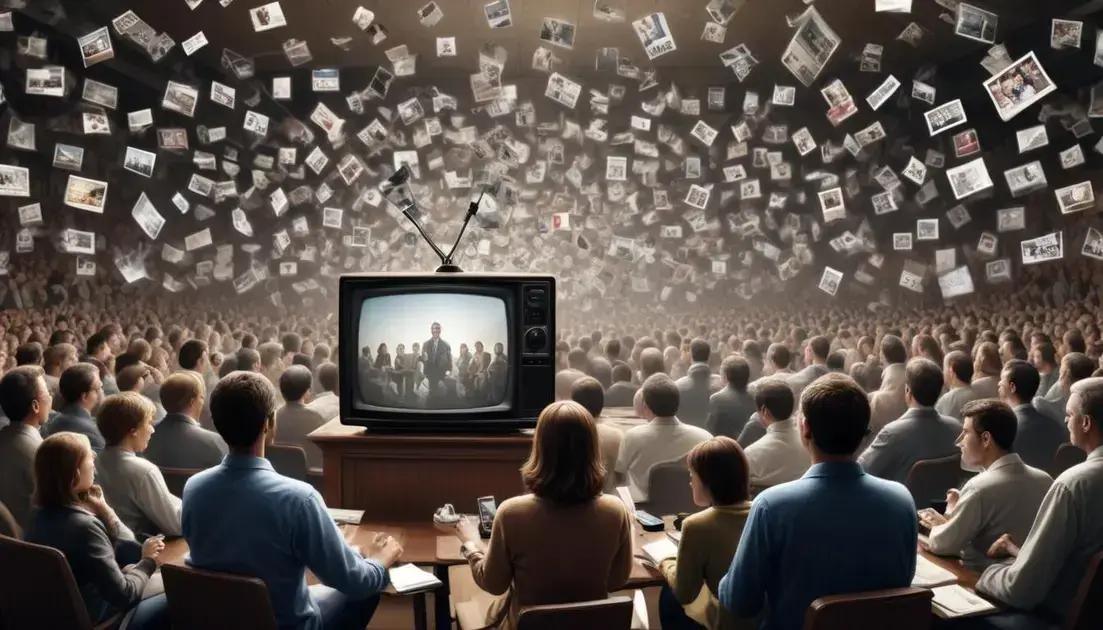
Media manipulation shapes how we think and feel about the world. It’s everywhere—on TV, social media, and even in the news. But what does it mean? Basically, it’s when information is presented in a way that influences your thoughts.
Have you noticed how some stories seem to pop up more than others? This happens because media outlets choose what to show you. This choice can affect public opinion and even our actions.
Many people don’t realize how powerful media can be. For example, consider how ads can make products seem irresistible. They use catchy slogans and visuals to grab our attention, making us want to buy things we may not need.
Another form of media manipulation occurs during political campaigns. Candidates use TV spots and online posts to appeal to voters. They often highlight specific facts while downplaying others. This tactic can change how people vote.
Social media is a big player in media manipulation, too. Platforms can create echo chambers, where you only see opinions and stories that match yours. This limits your perspective and reinforces your beliefs.
When it comes to news, the way stories are framed can change the message. For example, calling a protest a “riot” can bring about very different feelings than calling it a “peaceful demonstration.” This choice matters and can shift public perception.
Awareness of media manipulation is the first step to understanding it. Watch how information is presented and question its source. When you become a more informed consumer of information, you can think critically and make better decisions.
The Role of Entertainment in Society
Entertainment plays a huge part in our everyday lives. From movies to music, it keeps us engaged and relaxed. But entertainment does much more than just entertain us; it shapes culture and opinions.
For many, watching a film or a series is a way to escape reality. It allows us to enter different worlds and experience new stories. These stories can lead to conversations and even drive social change.
Television shows often reflect current issues in society. They can highlight struggles and successes of various groups. By doing so, they create awareness and encourage discussions. People might find similarities with characters and feel inspired.
Music also has a powerful impact. Songs can express emotions that connect people. They can unite fans at concerts or spark movements. For instance, many protest songs throughout history have motivated change.
Social media plays a huge role in how we consume entertainment now. It connects us to our favorite stars and allows us to share thoughts instantly. This can lead to trends that spread rapidly across platforms. But it also makes us more aware of how entertainment is crafted.
Entertainment can influence perceptions. How a subject is portrayed in a show or song can change how we think about it. For example, a documentary might shift views on a social issue. It can encourage viewers to take action or educate themselves.
In essence, entertainment is not just about fun; it’s a reflection of society. It helps us understand ourselves and the world around us. As consumers, being aware of what we watch and listen to is important for shaping our thoughts and actions.
The Implications of Social Control
Social control refers to the ways society regulates individual behavior. It can happen through both formal and informal means. For instance, laws are formal methods of control, while social norms guide behavior in less official ways.
Media plays a big role in this process. The content we consume can shape our beliefs and behaviors. For example, when certain actions are always shown positively, people may be more likely to adopt those behaviors. This is especially true in films and shows.
One major implication of social control is censorship. Sometimes, media is controlled to prevent the spread of ideas. This can limit what people see and hear, shaping their views. It can also prevent important issues from being discussed openly.
Another aspect is the idea of the “public opinion.” Media often reflects and influences public attitudes. What’s portrayed in the news can make issues seem more urgent or relevant. This can steer public discussion and action.
Moreover, social control can lead to conformity. People often want to fit in with their peers. This desire can make them go along with popular opinions, even if they don’t fully agree. Media can amplify this effect by highlighting trending views.
Entertainment media can also be a double-edged sword. While it can raise awareness about social issues, it can also perpetuate stereotypes. For example, how certain groups are depicted can affect societal perspectives and treatment of those groups.
Understanding social control helps us think critically about what we consume. By recognizing these patterns, we can become more informed individuals. It’s vital to question how media influences our thoughts, actions, and interactions.
Examples from Modern Media
Modern media provides many examples of how entertainment shapes public opinion. From news outlets to social platforms, the way stories are told matters. These examples show the impact media can have on our beliefs and actions.
One clear example is reality TV. Shows like these often portray situations that feel relatable. They can influence viewers’ opinions on relationships, friendships, and even social issues. People sometimes look to these shows for social norms.
Another example is how films depict different cultures. Movies can create awareness and spark conversations about important topics. For instance, films about social justice can highlight issues that viewers may not know about. This can lead to increased empathy and understanding.
Documentaries are also powerful tools in modern media. They provide in-depth views on important subjects, such as climate change and human rights. By showing real stories, they can motivate viewers to take action or change their minds.
Social media has changed the game, too. Platforms like Twitter and Instagram allow for instant sharing of opinions and ideas. Viral posts can bring attention to crucial matters or events quickly. This rapid spread can sometimes lead to real-world change.
Advertising is another aspect of modern media that shapes perceptions. Ads often use emotional appeals to connect with audiences. They promote products but can also impact societal views on beauty, lifestyle, and success.
These examples from modern media show strong connections between entertainment and social behavior. They highlight how we can be influenced by what we see and hear daily. By being aware of these influences, we can better understand our own beliefs and choices.
Conclusions and Future Directions
In exploring media manipulation and its effects, many insights arise. The trends in entertainment reveal how deeply media can shape society. Understanding these trends helps us appreciate the power of media in our lives.
Future directions in media are exciting and complex. With technology advancing, we see new ways people interact with entertainment. Virtual reality and augmented reality are changing how we experience stories and information.
As media evolves, staying informed is vital. Consumers can take charge by choosing what they watch and question what they’re told. Being critical of media helps us navigate a world full of information.
Moreover, there is a strong need for creators to be responsible. They should recognize the impact their content could have on audiences. Producing honest, thought-provoking work fosters better understanding in society.
Looking ahead, education plays a key role. Teaching media literacy in schools can empower future generations. This knowledge aids people in understanding media’s influence and helps them become discerning consumers.
Overall, the conversation about media and society continues to grow. Engaging with these topics is crucial for making better societal choices in the future.
Conclusion
In conclusion, understanding how media manipulation impacts our lives is crucial. The ways we consume entertainment can shape our views and influence our behaviors. As technology continues to evolve, so too will the methods that media uses to reach us.
Being aware of these influences can empower us. By questioning what we see and hear, we can engage more thoughtfully with media. It’s important to think critically about what we watch and how it shapes our opinions.
Moreover, encouraging responsible media creation is vital. Creators have a role in shaping messages that are honest and beneficial to society. Education in media literacy will help future generations navigate this complex landscape.
Ultimately, the relationship between media and society is an ongoing conversation. Staying informed and engaged with these topics will help us make better choices for ourselves and our communities.