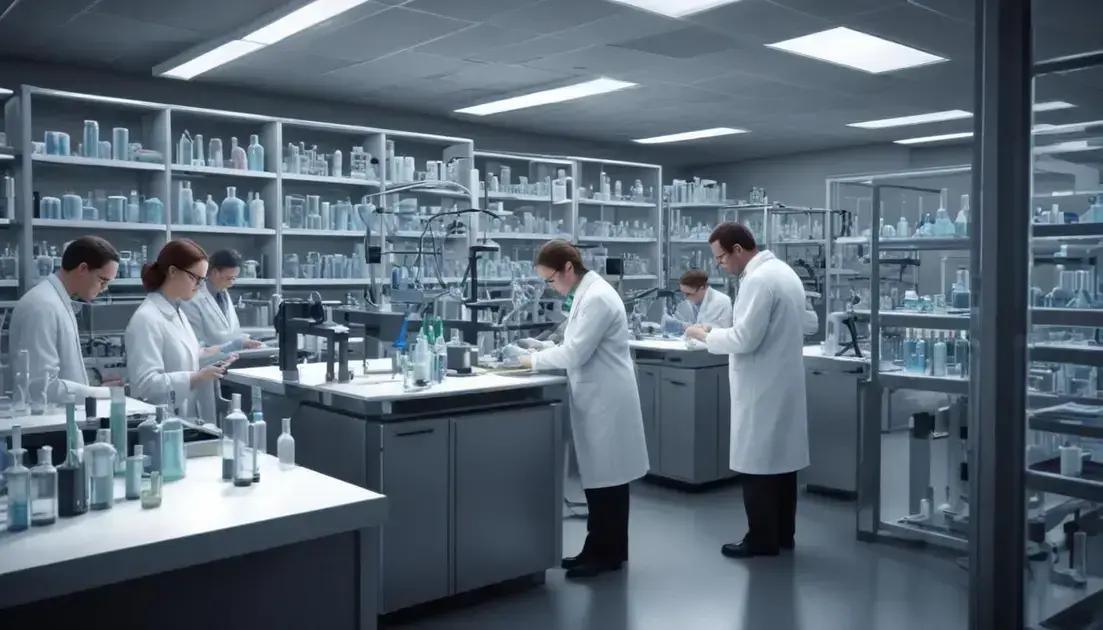
Biotechnology: the moral dilemma of genetic control
Biotechnology is revolutionizing multiple fields, including healthcare and agriculture, by enabling genetic control and innovative solutions. Through advances like CRISPR, we’re able to edit DNA responsibly, enhancing food security and personalized medicine. However, ethical implications must be carefully considered as society navigates these changes. Keeping public dialogue open ensures that biotechnology’s benefits align with safety and moral standards.
Biotechnology is at the forefront of scientific advancement, yet it raises profound moral questions about genetic control. As we navigate this complex terrain, what does it mean for science, ethics, and our future?
Understanding Biotechnology
Biotechnology is a fascinating field that blends biology and technology. It’s all about using living organisms to create products and solve problems. This can include anything from making medicines to improving crops and even cleaning up the environment.
How Does Biotechnology Work?
Biotechnology works by changing the genetic material of living things. This process is called genetic engineering. For example, scientists can take a gene from one organism and put it into another. This can help create plants that resist pests or bacteria that produce insulin for diabetes treatment.
Examples of Biotechnology in Daily Life
Every day, we benefit from biotechnology. Many of our medicines, such as vaccines and pain relievers, come from biotechnological processes. Crops like corn and soybeans are often genetically modified to be more productive and resistant to diseases. This helps farmers grow more food efficiently.
The Importance of Biotechnology
Biotechnology plays a crucial role in addressing global challenges. It helps in healthcare by producing treatments for diseases. It also contributes to sustainable agriculture, ensuring food security for the growing population. Lastly, biotechnology helps in environmental protection by developing methods to clean up pollutants.
As we look to the future, biotechnology will likely continue to evolve. New discoveries could lead to even more innovative solutions, but it’s essential to approach these advancements with care and consideration for ethical concerns.
Ethical Implications
Ethical implications in biotechnology are important to think about. When we alter genes, we change the natural order. This raises questions about what is right and wrong. For instance, should we modify human DNA? Some people worry about the possible consequences.
Concerns About Genetic Modifications
Genetic modifications can have unexpected effects on health and the environment. It’s crucial to consider how these changes could impact future generations. Scientists must ensure that any modifications are safe and beneficial.
Balancing Innovation and Ethics
Innovation in biotechnology is exciting, but it comes with responsibilities. Researchers should follow strict guidelines to avoid misuse. Ethical reviews are essential to ensure research meets moral standards. These reviews help protect society while allowing progress.
The Role of Public Opinion
Public opinion plays a big role in shaping biotechnology policies. Many people have strong feelings about genetic engineering. It’s important for scientists to listen to these concerns. Engaging with the public can help build trust and understanding.
As biotechnology grows, ongoing dialogue between scientists, ethicists, and the public is necessary. This way, we can explore the benefits while addressing risks and moral questions.
Impact on Society
The impact of biotechnology on society is huge and varied. It affects healthcare, agriculture, and even the environment. With new tools, we can create better medicines and healthier crops.
Advancements in Healthcare
Biotechnology has led to impressive advancements in healthcare. We can produce life-saving drugs and vaccines. This helps people manage diseases better and live longer. Personalized medicine, which tailors treatment to individuals, is also becoming more common.
Changes in Agriculture
In agriculture, biotechnology helps increase food production. Farmers can grow crops that resist pests and diseases. This reduces the need for harmful pesticides, making food safer for everyone. It also helps farmers produce more food with less land.
Environmental Benefits
Biotechnology offers solutions to environmental issues. Scientists are developing methods to clean up oil spills and reduce waste. These bioremediation techniques can improve our ecosystems and make them healthier.
Overall, the societal impact of biotechnology is complex. While it brings many benefits, we must also address concerns about safety and ethics. Keeping an open dialogue is key as we move forward.
The Future of Genetic Control
The future of genetic control is full of promise and potential. Advances in biotechnology are changing how we understand and manipulate genes. This will help us create better treatments and improve food security.
New Techniques on the Horizon
Emerging techniques, like CRISPR, allow precise edits to DNA. This makes it easier to fix genetic disorders. Scientists can target specific genes, leading to safer and more effective treatments.
Application in Agriculture
In agriculture, genetic control can create crops that grow in harsh climates. These crops can resist drought and pests, which helps ensure food for the future. Farmers will be able to produce more food with fewer resources.
Ethical and Safety Considerations
Even with exciting advancements, we need to be careful. Ethical concerns about genetic modifications must be addressed. Questions about safety and long-term effects are important. A balanced approach is necessary to protect people and the environment.
Experts believe that as technology improves, public acceptance will grow. Education and transparency about genetic control will encourage understanding. This way, we can harness the benefits while minimizing risks.
Conclusion
In conclusion, the advancements in biotechnology open a new world of possibilities for healthcare, agriculture, and the environment. As we explore the ethical implications and the impact on society, it’s clear that while there are many benefits, we must also approach these changes responsibly.
The journey into the future of genetic control is exciting. With new techniques like CRISPR, we can solve complex challenges. However, we need to ensure safety, and ethics remain at the forefront of these innovations.
Overall, by fostering open discussions and investing in education, we can embrace the positive transformations biotechnology offers. Together, we can navigate this evolving landscape and shape a better future for all.
Tags: