Political cinema in the 21st century: from terror to surveillance
Political cinema significantly influences society by reflecting contemporary issues like surveillance and control. These films engage audiences, spark discussions, and inspire activism, helping viewers understand important social themes. As a platform for diverse perspectives, political films drive critical thinking and awareness, highlighting the role of cinema in cultural evolution.
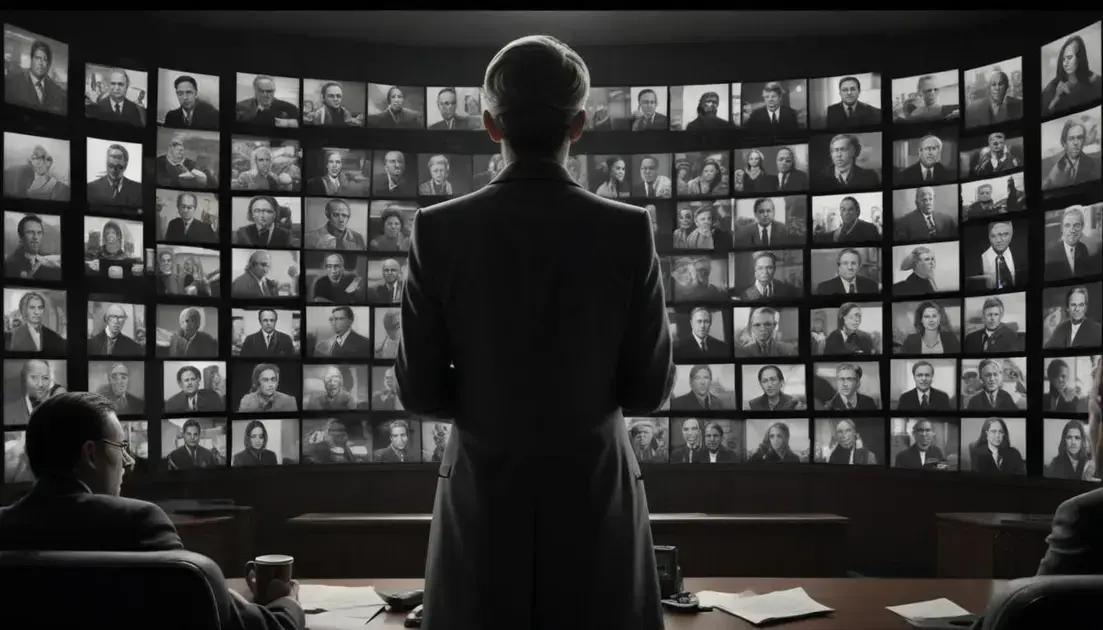
In our rapidly changing world, Political Cinema reflects the deep fears surrounding surveillance and control. What does this mean for us?
The Role of Political Cinema Today
Political cinema plays an important role today. It reflects the world around us and the issues we face. Movies often tackle themes like surveillance, control, and freedom. These films help us understand our society better.
Why Political Cinema Matters
Films can spark conversations about difficult topics. They make us think about our values and beliefs. When we watch these movies, we see different perspectives. This can open our minds and inspire change.
Current Trends in Political Films
Today, stories about surveillance are everywhere. Many films show how technology can control lives. They raise questions about privacy and freedom. These themes resonate with audiences because they relate to real-life issues.
For example, films might depict governments monitoring citizens. This can create fear or awareness. It encourages viewers to reflect on their own lives. How much do we know about the information shared with others?
Audience Impact
Political films engage audiences on personal levels. They can lead to discussions long after the credits roll. Viewers often leave the theater pondering their own reality. How does this film apply to their lives?
Such discussions can inspire activism and engagement. People may feel motivated to take action after watching a powerful film.
The Future of Political Cinema
As society evolves, so will political cinema. New challenges in the world will inspire filmmakers. They will continue addressing important issues using storytelling. This will keep audiences informed and aware of their surroundings.
Exploring Themes of Surveillance
Surveillance is a key theme in many political films today. This subject affects us all in real life. Movies explore how technology monitors our daily lives. They make viewers think about the balance between security and privacy.
The Role of Technology
Technology is at the heart of surveillance. Many films show devices that track and record our actions. These can include smartphones, cameras, and online services. It’s essential to recognize how these tools influence our freedom.
Societal Impact
Films portraying surveillance often highlight its effects on society. They show characters grappling with loss of privacy. This mirrors real-life concerns about how much we share online.
Viewers may relate to the characters’ struggles, thinking about their own privacy. Are they aware of how much they expose themselves?
These Narratives in Popular Films
Several popular films tackle surveillance themes. Movies like “The Lives of Others” and “Enemy of the State” delve into the consequences of constant monitoring. They raise questions about ethics and personal freedom.
These stories often push audiences to reflect on their own lives. They ask: Do we want to live in a world where privacy is absent?
Working Through Fear and Awareness
Political cinema often uses fear to engage audiences. It prompts discussions about the balance between safety and freedom. These films encourage viewers to take a closer look at their realities.
As films explore these themes, they can evoke feelings of paranoia and concern. However, they also lead to awareness and action.
Audience Reception and Reflection
When political films are released, audience reactions play a huge role. Viewers connect with the stories in different ways. Some feel inspired, while others may feel challenged or even scared. This variety shows how films can impact people’s thoughts and feelings.
The Power of Storytelling
Political cinema uses storytelling to reflect real-life issues. When people see these stories, they recognize feelings of fear, hope, or frustration. This connection can lead to deeper conversations about the issues presented in the films.
Watching with Friends and Family
Viewing political films often becomes a shared experience. Friends and family discuss the themes together. They might debate characters’ choices or reflect on societal impacts. These discussions can help clarify thoughts and lead to personal reflections.
Film Festivals and Audience Engagement
Film festivals give audiences a chance to engage directly with filmmakers. Viewers can ask questions and share their thoughts. This feedback can shape how the filmmaker approaches future projects.
The Role of Social Media
Social media has changed how audiences react to films. Many people share their opinions online, which can influence others. A positive review can lead to increased interest, while negative feedback may cause others to skip a film.
Online platforms allow for rapid discussions about the themes and messages. This creates a community of viewers eager to engage in deeper topics.
Long-term Reflections
Political films often leave lasting impressions. Viewers may continue thinking about the messages long after viewing. This reflection can lead to increased awareness and action around specific issues, whether it’s activism or personal change.
Impact on Society and Culture
Political cinema has a significant impact on society and culture. It raises important questions and challenges our views. By watching these films, we often reflect on our values and beliefs. This can lead to important discussions among friends and family.
Shaping Public Perception
Movies often influence how we see the world. They highlight social issues that need attention. When films show struggles for justice or freedom, they spark empathy in viewers. This empathy can lead to a stronger sense of community.
Encouraging Critical Thinking
Political films ask questions that provoke thought. They encourage viewers to think critically about the media they consume. Audiences learn to ask “Why?” and “How?” after watching these films. This can foster a more informed public.
Fueling Activism
Many films inspire activism and social change. After watching, viewers may feel motivated to take action. They might join movements or discuss issues with their peers. This passion can create a ripple effect in society.
Reflecting Cultural Values
Political cinema often mirrors cultural values and norms. It showcases diverse perspectives that might not be visible elsewhere. By doing this, films help to shape our understanding of different cultures.
This representation is vital for social cohesion and acceptance. When we see our stories told on screen, it validates our experiences.
The Legacy of Political Cinema
As political films evolve, they continue to impact society. New stories highlight current events and challenges. These films serve as a historical record, showing audiences how far we’ve come.
Each film leaves a mark, contributing to the ongoing conversation about society and culture.
Conclusion
In conclusion, political cinema plays a vital role in shaping our society and culture. It reflects our values and challenges us to think critically about important issues. These films encourage discussions that can lead to greater awareness and understanding.
Moreover, the impact of these movies goes beyond just entertainment. They inspire activism and foster empathy among viewers. Political films remind us that our stories matter and can drive change. By engaging with these narratives, we become more informed and active members of our communities.