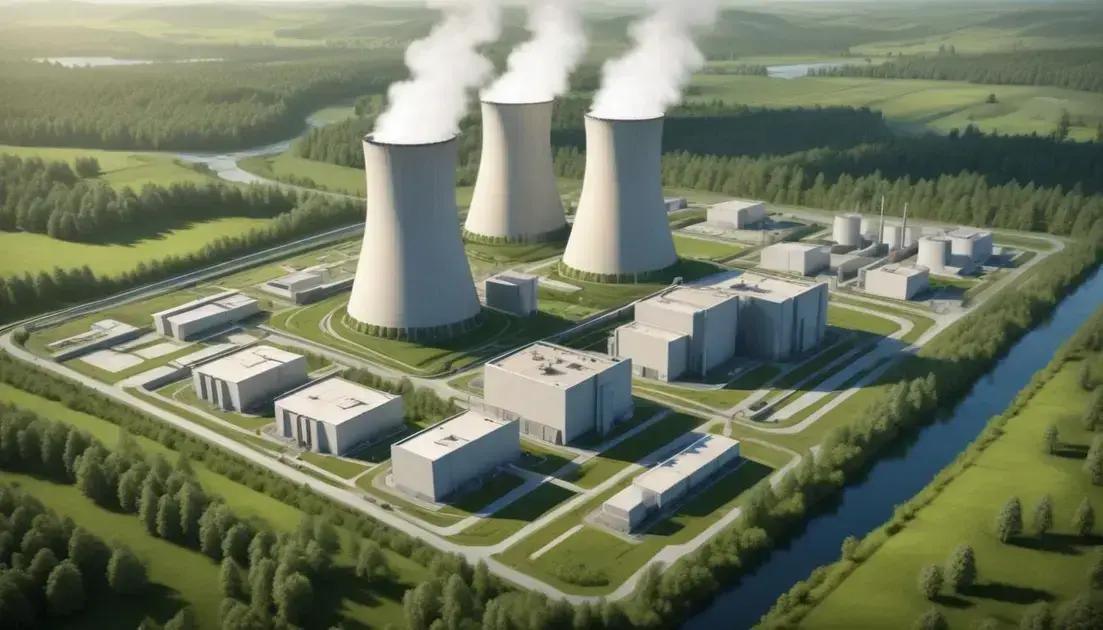
Nuclear energy: from villain to green hope
Nuclear energy is a crucial solution in the fight against climate change due to its low greenhouse gas emissions and reliability as a power source. Modern nuclear reactors incorporate advanced safety technologies and efficient fuel use, making them a safe choice for sustainable energy. Public perceptions of nuclear energy are improving as education and transparency increase, demonstrating its potential in supporting both renewable energy and economic growth while addressing environmental concerns.
Nuclear energy has undergone a remarkable transformation, shedding its notorious past and emerging as a promising solution for our energy needs. As we face the pressing challenges of climate change and the urgency to shift away from fossil fuels, can this technology truly offer a safer, greener alternative?
The resurgence of nuclear energy
The resurgence of nuclear energy is reshaping our view of clean power. For years, it was labeled a villain in energy discussions. Now, it’s seen as a key player in reducing greenhouse gas emissions.
Many countries are investing heavily in nuclear technology. Modern reactors are safer and more efficient than their predecessors. These advancements help gain public trust.
New designs focus on safety and sustainability. They can operate with less waste and lower risks of accidents. This innovation changes how we think about nuclear energy.
For instance, some nuclear plants can even be built in smaller sizes. This means they can be located closer to where the energy is needed, reducing transmission losses.
Public awareness campaigns are also helping to shift opinions. As people learn more about the environmental benefits of nuclear energy, their concerns may lessen.
The urgency of climate action gives nuclear energy a new platform. It offers a reliable and stable power supply that complements renewables like wind and solar.
Countries aiming for carbon neutrality are recognizing nuclear energy as a crucial element. It’s a cleaner alternative to fossil fuels. Each new reactor commissioned represents progress towards a sustainable future.
Environmental benefits of nuclear power
Environmental benefits of nuclear power are significant and often overlooked. One of the biggest advantages is low greenhouse gas emissions. Unlike fossil fuels, nuclear energy doesn’t release carbon dioxide during operation.
This makes it a clean energy source that can help fight climate change. Countries looking to reduce their carbon footprints are turning to nuclear power.
Nuclear power plants occupy less land than solar or wind farms. This means they can generate a lot of energy without taking up valuable space in nature. It’s a win-win for energy production and land use.
Additionally, nuclear energy produces minimal air pollutants. This leads to cleaner air and better health for nearby communities. Fewer emissions also mean less acid rain, which can harm forests and water sources.
Another great benefit is the efficient use of resources. Nuclear fuel, like uranium, is very dense. This means a small amount of fuel can produce a large amount of energy. As a result, less mining and extraction are needed, causing less impact on ecosystems.
Waste management is a concern, but advances in technology are leading to safer waste disposal methods. Many countries are developing strategies for long-term storage, which means nuclear waste can be handled responsibly.
Overall, the environmental benefits of nuclear power make it an appealing option for a sustainable energy future.
The technology behind modern nuclear reactors
The technology behind modern nuclear reactors has come a long way. Today’s reactors are designed with safety and efficiency in mind. They use advanced materials and designs to improve performance.
One key feature is the use of passive safety systems. These systems can shut down the reactor automatically if there’s a problem. This reduces the risk of accidents and makes them safer for everyone.
Modern reactors often use a water coolant system. This helps to remove heat and keeps the reactor stable. Some new designs even use alternative coolants like gas or salt, offering different safety advantages.
Another important technology is modular reactors. These smaller units can be built off-site and transported to their locations. This means quicker construction and lower costs. They can also be installed in areas where large plants aren’t possible.
Improved fuel technology is also changing the game. New fuels can produce more energy and last longer. This means less waste and fewer resources are needed for energy production.
Digital technology plays a huge role too. Advanced monitoring systems help operate reactors more efficiently. They provide real-time data to operators, making it easier to spot potential issues.
With these technologies, modern nuclear reactors aim to be a sustainable energy source for the future. They promise lower environmental impact while meeting the world’s growing energy needs.
Public perception and safety concerns
Public perception and safety concerns around nuclear energy play a big role in its acceptance. Many people remember past nuclear accidents, like Chernobyl and Fukushima. These events raised fears about safety and contamination.
While modern technology has improved reactor safety, worries still linger. People want to know how safe these plants really are. It’s important to address these fears with clear, honest information.
Education can make a big difference. When people learn about the advances in reactor safety, they often feel more at ease. Sharing how modern reactors are built with multiple safety systems can help ease concerns.
Transparency is key. Nuclear facilities should communicate openly about their operations and safety measures. Communities near nuclear plants need to feel included and informed.
Public opinion can also vary by region. In areas with a history of successful nuclear plants, acceptance is generally higher. However, in places with no nuclear history, fears can be stronger.
Engaging in community discussions is essential. Town hall meetings or information sessions allow experts to answer questions and explain the benefits of nuclear energy. Listening to community leaders can also help tailor messages that address local concerns.
Overall, changing public perception takes time and effort. Building trust through education and engagement is vital for the future of nuclear energy.
Nuclear energy’s role in combating climate change
Nuclear energy’s role in combating climate change is becoming more important every day. As the world faces rising temperatures, we need clean energy solutions. Nuclear power offers a way to generate electricity without emitting carbon dioxide.
Unlike fossil fuels, which release harmful gases, nuclear power produces very low emissions. This helps reduce the greenhouse gases that contribute to global warming.
Nuclear plants can generate large amounts of energy continuously. This reliability is key for meeting the power demands of growing populations.
In many regions, nuclear energy provides a stable base load. This means it can supply energy consistently, unlike some renewable sources that depend on the weather.
Many countries are looking to nuclear power as part of their climate action plans. It can complement renewable energy sources like wind and solar, ensuring a balanced energy grid.
New reactor designs focus on safety and efficiency. These advancements help to reduce waste and enhance overall performance. With the right technologies, nuclear energy can contribute significantly to a sustainable future.
Investing in nuclear energy can lead to job creation and economic growth. As more countries expand their nuclear energy programs, they can boost local economies while fighting climate change.
Conclusion
In conclusion, nuclear energy plays a vital role in addressing climate change. Its low emissions and reliable power make it a strong choice for a cleaner future. As we look for ways to reduce our carbon footprint, nuclear energy can support both renewable sources and provide steady electricity.
With ongoing advancements in safety and technology, modern nuclear reactors are designed to be safer and more efficient. Education and open communication are key in changing public perception and building trust in this energy source.
By investing in nuclear power, we can create jobs, support local economies, and make strides towards a sustainable world. Together, we can harness the power of nuclear energy to combat climate change and ensure a brighter future for all.