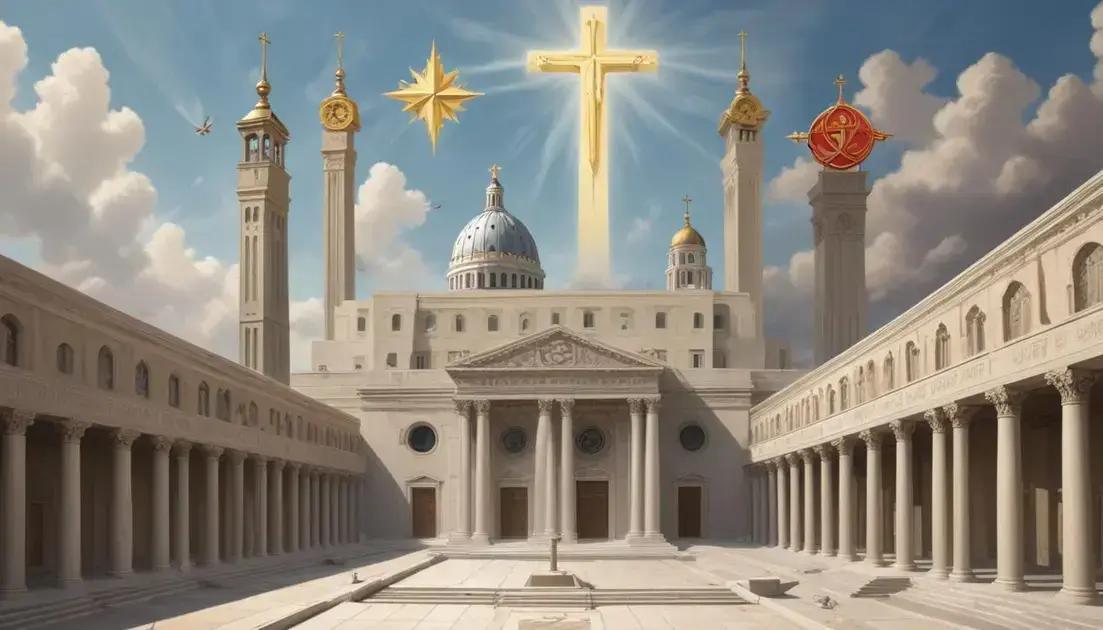
Religion and power in the 21st century
The resurgence of religion in politics is changing how governments operate worldwide. This influence is visible in various countries, where faith shapes laws and policies. As leaders leverage their religious beliefs to connect with voters, the relationship between politics and religion deepens, raising both benefits and challenges. Future trends indicate that technology and younger generations will further evolve this dynamic, making understanding these implications crucial for navigating the global political landscape.
Religion has made a remarkable comeback in global politics, shaking up power dynamics everywhere. Are we witnessing a new era where faith and governance intertwine?
The resurgence of religious influence
Many people are noticing a resurgence of religious influence in the political arena. This isn’t just happening in one country; it’s a worldwide trend. More politicians are openly discussing their faith. This shift can shape laws and policies in ways we haven’t seen before.
In several nations, leaders are using their religious backgrounds to connect with voters. They believe that their values can guide them in making decisions. This can create a strong link between faith and governance.
Consider the role of faith-based organizations. These groups often play a crucial part in community support and can impact policies related to social issues. They are becoming more vocal about what they want from their leaders.
As religion grows in influence, we should ask ourselves: How does this change our daily lives? It can affect education, health care, and even our freedoms. Understanding these changes is important for everyone.
Finally, it’s essential to think about the future. Will the resurgence of religious influence lead to more community building or create divides? The answers to these questions may shape our societies for years to come.
Case studies from various nations
Looking at case studies from various nations helps us understand the impact of religion on politics. Each country has its unique story and lessons to share. Let’s explore a few examples to see how this works.
In the United States, religious groups have played a big role in shaping laws. For example, many leaders support policies that reflect Christian values. This has influenced debates on topics like education and healthcare.
In Brazil, religious leaders often unite to support candidates. They encourage voters to consider faith in their choices. This can lead to significant political shifts during elections.
Across Asia, countries like India see religion as a major factor in politics. Hindu nationalism has risen, leading to changes in laws that can affect minority groups. These developments show how intertwined faith can be with governance.
In Europe, we find a mix of secular views and religious influence. Some governments include religious perspectives in social policy discussions. This can impact social welfare programs and community support initiatives.
By studying these case studies from various nations, we gain insights into how religion can shape political landscapes. Each example adds to our understanding of the powerful role faith plays in our world today.
The impact of religion on political power
The impact of religion on political power is significant and wide-ranging. In many places, religious beliefs shape voters’ opinions and influence leaders’ actions. This connection can lead to strong support or opposition to certain policies.
For instance, in countries where religion is part of everyday life, politicians often reference their faith. They believe this helps them connect with the public. This can create a sense of unity among followers and can help secure votes.
Moreover, religious groups can lobby for policies that reflect their values. They organize campaigns to advocate for issues important to them. These efforts can sway public opinion and increase pressure on lawmakers.
In some cases, religion can lead to conflict. When different faiths clash, it can create divisions within a community. This might cause politicians to take sides, impacting governance and leading to tensions.
However, religion can also foster cooperation. Interfaith dialogues can help bridge gaps between different groups. In turn, this can promote peace and understanding in diverse societies.
Overall, the impact of religion on political power shows how intertwined these aspects of life can be. By examining different cases, we see how faith shapes governance around the world.
Future trends and implications
As we look at future trends, the relationship between religion and politics will likely change. Future trends and implications show that religion could play an even bigger role in global affairs. Many leaders might increasingly turn to their faith for guidance on complex issues.
Technology is also changing how we engage with religion. Social media platforms allow religious leaders to reach broader audiences. This can spark conversations about faith and politics that weren’t possible before.
In some regions, we may see a rise in the influence of younger generations. They often blend traditional beliefs with modern values. This shift can challenge long-held views, leading to new political dynamics.
Environmental movements are gaining momentum, and many activists draw on religious teachings for motivation. This can create alliances between faith groups and environmentalists, pushing for policies that protect our planet.
Furthermore, as societies become more diverse, interfaith dialogues will likely increase. This can help reduce tensions and foster collaboration between different groups. It may lead to better understanding and solutions to shared problems.
Overall, the future trends and implications of the intertwining of religion and politics suggest that awareness and adaptability will be key. This evolving landscape holds many possibilities for how faith influences governance in the years ahead.
Conclusion
In conclusion, the connection between religion and political power is becoming more important in today’s world. Many nations are witnessing a rise in religious influence, shaping policies and guiding leaders. Understanding these trends can help us navigate a changing landscape.
As explored in various case studies, different countries showcase unique interactions between faith and politics. These examples highlight the diverse ways religious beliefs affect governance and social issues. Looking ahead, the future trends and implications of this relationship will continue to evolve, driven by technology and younger generations.
Overall, it’s crucial to stay aware of how religion impacts our daily lives and political systems. By fostering dialogue and understanding, we can work towards a more inclusive and cooperative society. In the end, embracing this knowledge may lead to better solutions for common challenges.