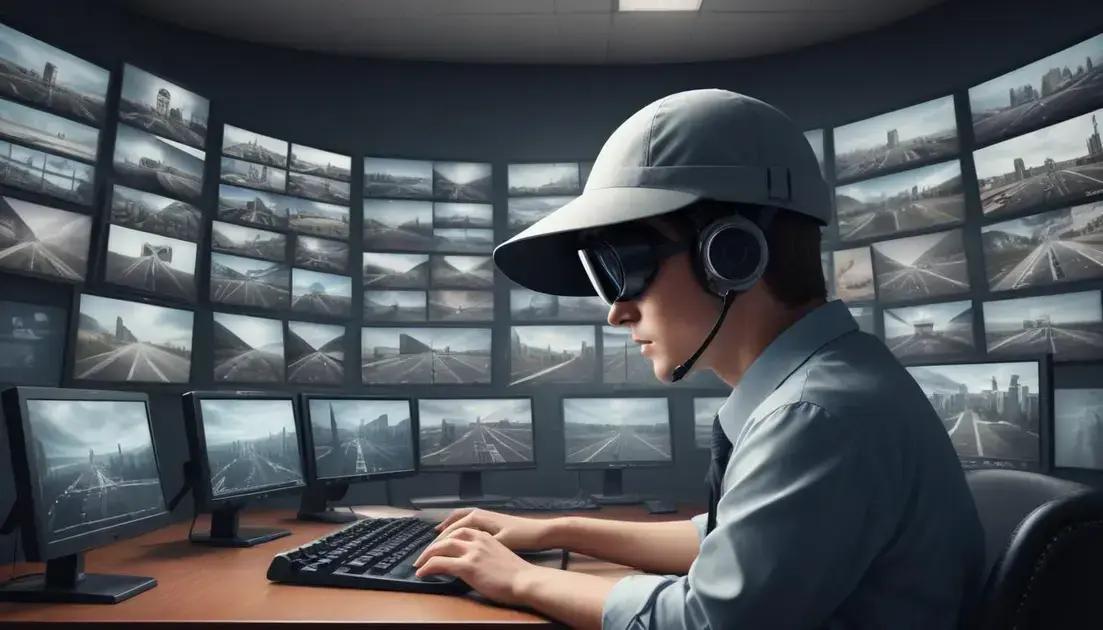
How governments turned technology into control
The evolution of government control through technology has significant implications for privacy rights. Innovations like facial recognition, smart city surveillance, and social credit systems enhance security but raise concerns about personal freedom. As seen through various case studies, the balance between safety and privacy is critical, making it essential for individuals to understand how these technologies impact their daily lives.
Ever wondered how control has shifted throughout the decades? Governments have mastered the art of monitoring, evolving from old-school informants to high-tech surveillance. This article dives into the fascinating transformation…
The evolution of surveillance technology
The world of surveillance technology has evolved immensely over the years. From simple observation methods to complex digital tools, the changes are striking. Initially, surveillance meant spying with human eyes. Today, it involves cameras and advanced software.
Early Methods of Surveillance
In the past, governments relied on informants and physical watching to gather information. People would share what they saw or heard. This was often risky and not always accurate. Information depended on what an individual noticed.
Rise of Technology
The introduction of the internet changed everything. With digital technology, data could be collected more efficiently. Agencies started using tools like cameras and microphones to monitor more effectively. They gathered crucial information without direct human observation.
Facial Recognition and AI
Now, with facial recognition technology, it’s possible to identify individuals almost instantly. AI plays a big role here. It helps in processing vast amounts of data quickly. But this raises questions about privacy and personal freedoms.
Current Trends
Today, many countries use advanced surveillance systems for safety and security. Drones monitor large areas, while software tracks online activities. This high-tech approach offers benefits but also comes with ethical concerns.
As technology continues to advance, it will shape how governments and societies interact. The balance between security and privacy remains a hot topic. How we manage this evolution will define our future.
Impact of control on privacy rights
The impact of control on privacy rights is significant today. As governments adopt new technologies, personal freedoms can be affected. Many worry that increased surveillance leads to less privacy in everyday life.
Understanding Privacy Rights
Privacy rights are about protecting personal information. Everyone deserves to keep certain details private. This includes where you go, who you talk to, and what you do online. But, with modern technology, safeguarding this information gets tricky.
Surveillance and Its Consequences
Government surveillance has grown. Cameras are everywhere, and data is collected at high levels. This makes some people uncomfortable. They feel they are always being watched, which can lead to self-censorship.
Debate on Safety vs. Privacy
Many people believe surveillance is necessary for safety. However, the cost can be high. When does safety stop being a reason to invade privacy? This question is at the heart of many debates today.
Legal Protections
Different countries have laws to protect privacy rights. These laws aim to balance safety and individual rights. Yet, enforcing these protections can be challenging in this fast-changing tech landscape.
People are becoming more aware of their privacy. Many are demanding that their rights be respected. This trend shows the importance of having open discussions about control and privacy.
Case studies of technology used for government control
Case studies show how technology is used for government control worldwide. These examples help us understand the impact on society. They reveal both benefits and dangers of surveillance.
China’s Social Credit System
China has a social credit system. It tracks citizens based on behavior. Good actions earn points, while bad actions reduce them. This system affects jobs, travel, and public services. It’s a clear example of technology controlling social behavior.
Facial Recognition in the U.S.
In the United States, facial recognition technology is growing. Police departments use it to identify suspects in crimes. While it can help solve cases, many worry about privacy issues. Misidentifications can lead to serious problems.
Smart Cities and Surveillance
Smart cities use sensors and cameras to gather data. This can improve traffic flow and public safety. However, it also raises concerns about constant monitoring. Residents may feel they’re being watched at all times.
Global Examples of Tracking Apps
During health crises, some countries developed tracking apps. These apps monitored people’s movements to help control the spread of diseases. While useful, they also risk personal privacy. Once the crisis is over, will these apps be removed?
Each case study shows how technology can control society. Understanding these examples is essential. They spark important discussions about balancing safety and privacy.
Conclusion
In conclusion, understanding how technology impacts government control and privacy rights is crucial. Technologies like surveillance cameras, facial recognition, and smart city systems shape our daily lives. They raise important questions about safety and personal freedom.
As we explore case studies, we see both the benefits and risks. While technology can improve security, it can also invade our privacy. Balancing these aspects is essential to protect our rights.
Overall, staying informed and engaged in discussions about technology’s role in governance helps us advocate for our privacy. By understanding these issues, we can ensure a safer society without sacrificing our personal freedoms.