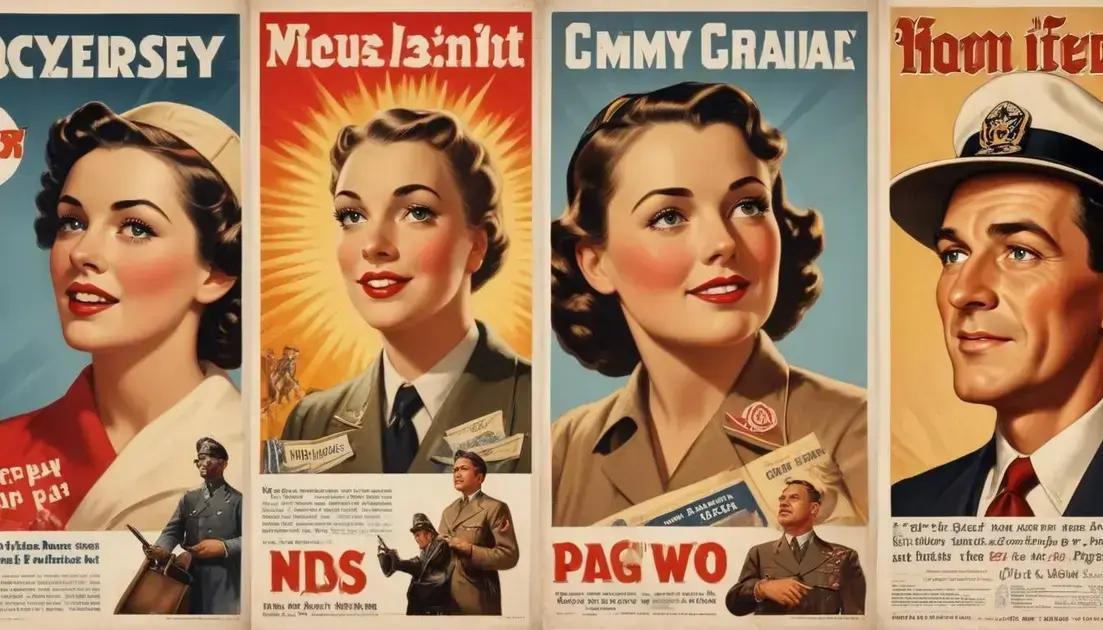
Propaganda through the ages: from posters to pixels
The future of advertising is set to be transformative, with advancements in personalization, interactive ads, and technologies like augmented reality (AR) and virtual reality (VR). Brands will increasingly tailor ads to individual preferences, enhancing user engagement. Voice search optimization and sustainable practices will also play crucial roles, as consumers demand more personalized and eco-friendly marketing. These trends signal a shift in how companies connect with their audiences, emphasizing the importance of innovation and customer understanding in the advertising landscape.
Have you ever thought about how advertising shapes our understanding of the world? From powerful World War posters to personalized digital ads, the art of persuasion has evolved tremendously.
The evolution of advertising
Advertising has changed a lot over the years. From simple posters to digital ads on social media, the way we reach people has evolved.
The Early Days of Advertising
In the past, advertising was all about posters and print ads. These colorful pieces often showcased products and events. They were one-way messages that aimed to grab attention.
The Rise of Radio and TV
With the invention of radio and television, advertisers gained new platforms. These mediums allowed companies to spread their message more widely. Now, they could reach audiences in their homes, making ads more personal.
Shift to Digital Advertising
As technology advanced, advertising moved to the internet. Digital marketing became the go-to method for many businesses. Websites, email, and social media platforms transformed how brands connect with customers.
The Power of Social Media
Social media changed the game again. Brands can interact with their audience in real-time. This interaction makes advertising feel more authentic and relatable. Plus, targeted ads help companies reach the right people.
The Future of Advertising
The future looks bright for advertisers. New technology, like AI, is reshaping how ads are created and served. Personalization is the key, allowing consumers to see ads that fit their interests.
Key moments in marketing history
Marketing has a rich history filled with key moments. Each moment changed how businesses reached customers.
The First Advertisements
One of the earliest forms of advertising was in ancient Egypt. They used papyrus scrolls to promote products. This marked the start of formal advertising practices.
The Invention of Print
In the 15th century, Johannes Gutenberg invented the printing press. This technology made it easier to spread messages. Advertisements could now be printed in newspapers, reaching more people than ever.
The Birth of Radio Ads
In the 1920s, radio became popular. Businesses quickly saw its potential for advertising. They began creating catchy radio spots to attract listeners.
The TV Revolution
Television changed everything in the 1950s. Ads could visually showcase products. Companies started to spend big bucks on TV commercials to grab attention.
The Digital Age Begins
As the internet grew in the late 1990s, so did digital marketing. Websites became platforms for ads and promotions. Email marketing also gained traction, allowing direct customer contact.
The Rise of Social Media
In the 2000s, social media transformed marketing again. Brands could engage directly with customers. They create relationships through platforms like Facebook and Twitter.
From print to digital
The shift from print to digital advertising has been huge. It has changed how we see and interact with ads.
The Print Era
Print advertising includes newspapers, magazines, and flyers. For many decades, these were the main ways to reach customers. Advertisers used bright colors and catchy headlines to attract attention.
The Internet Revolution
With the rise of the internet, everything changed. Businesses began to see the potential of online ads. They could now reach people faster and more directly.
The Birth of Digital Ads
Digital ads come in many forms, like banners, videos, and social media posts. These ads can be targeted based on user behavior and preferences. This personalization makes them more effective.
The Advantages of Digital Advertising
Digital advertising allows real-time feedback. Businesses can see how an ad performs instantly. They can adjust their strategies based on what works best. This flexibility is a big advantage over traditional print.
Mobile Advertising’s Impact
Smartphones have made digital advertising even more important. People spend hours on their phones each day. Ads that appear on mobile devices have a high chance of being seen.
The psychology of persuasion
The psychology of persuasion plays a big role in advertising. It’s all about how we make choices and what influences them.
Understanding Consumer Behavior
Consumers often make quick decisions based on emotions. Advertisers tap into these emotions to grab attention. They create ads that resonate with feelings like happiness, fear, or trust.
The Role of Social Proof
People like to follow the crowd. When they see others using a product, they’re more likely to do the same. This is called social proof. Companies use reviews and testimonials to show that others enjoy their products.
Scarcity and Urgency
Creating a sense of urgency can persuade customers to act fast. Phrases like “limited time offer” push people to buy now instead of later. Scarcity makes items seem more valuable.
Consistency and Commitment
People want to be consistent in their choices. Once they make a small commitment, they’re more likely to follow through with bigger ones. Advertisers can use this by encouraging small actions first.
The Power of Storytelling
Stories connect with people on a deeper level. A good story creates an emotional bond. When consumers relate to the message, they’re more likely to engage with the brand.
The future of advertising
The future of advertising looks exciting and full of possibilities. Technology continues to change how brands reach their audience.
Personalization at Its Best
In the future, ads will be more personalized. Brands will use data to understand what consumers want. This means you’ll see ads that matter to you.
Interactive Advertising
Interactive ads will engage customers like never before. Expect more quizzes and games in your ads. This keeps people interested and makes the experience fun.
Augmented Reality (AR) and Virtual Reality (VR)
AR and VR will bring a new level to advertising. Imagine trying on clothes virtually before buying them. This technology allows consumers to experience products in a realistic way.
Voice Search Optimization
With voice search growing, ads will need to adapt. Brands will create content that works well with voice search. This means thinking about how people naturally speak and ask questions.
Sustainable Advertising Practices
As consumers care more about the environment, brands will need to show their commitment. Eco-friendly advertising practices will become important. Consumers want to support brands that care about the planet.
Conclusion
In conclusion, the future of advertising is bright and full of opportunities. With advancements like personalization and interactive experiences, brands can engage consumers in new ways. Technologies such as AR and VR will allow customers to connect with products more deeply.
Furthermore, optimizing for voice search and adopting sustainable practices will help businesses stay relevant. As consumers evolve, so must the brands they support. By embracing these changes, companies can not only reach their audience more effectively but also build lasting relationships. Ultimately, the key to success lies in innovation and understanding what customers truly want.