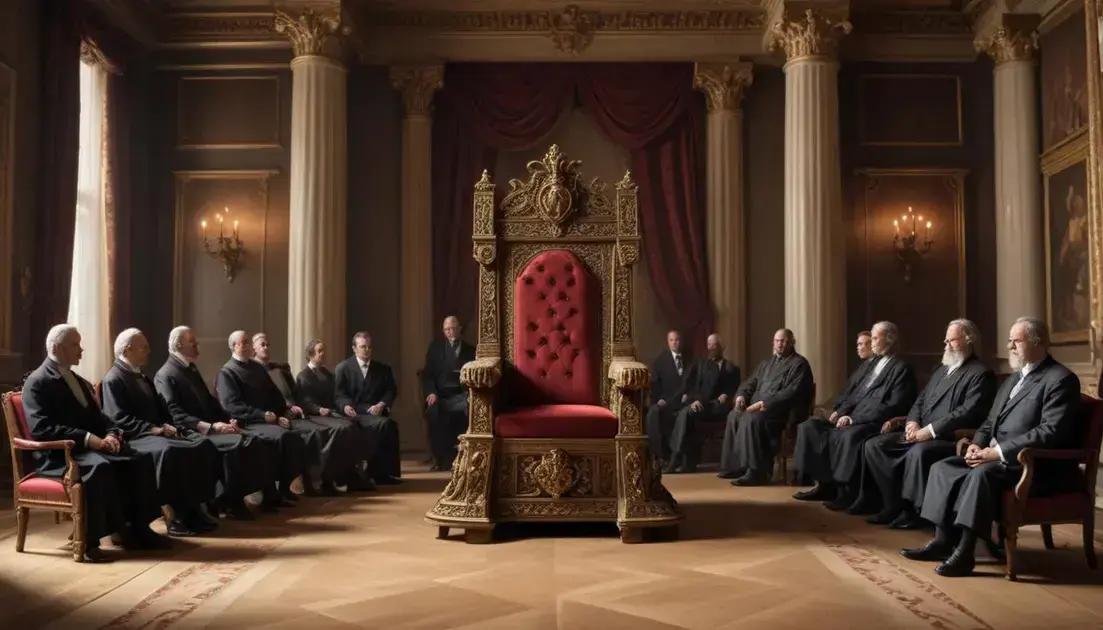
The Philosophy of Power: Why Humans Crave Control
The evolution of power dynamics reveals how control has influenced societies throughout history. From ancient rulers like Julius Caesar to modern movements advocating for equality, the struggle for power shapes our interactions. Today, technology and globalization continue to redefine these relationships, emphasizing the need for balance and inclusivity. Understanding these dynamics not only enhances our awareness of historical lessons but also informs how we advocate for change in the future.
Power has been a driving force in human history, shaping civilizations and cultures. But what is it about power that draws us in, making it so alluring? Let’s venture into the depths of this complex craving!
The Historical Context of Power
The historical context of power is fascinating. From ancient kings to modern leaders, power has shaped civilizations. It’s important to understand how power was established and used throughout history.
Ancient Civilizations
In ancient times, rulers often gained power through conquest and divine right. Kings were seen as chosen by the gods. This gave them authority over their subjects.
Feudal Systems
During the Middle Ages, power dynamics changed. Feudal systems emerged. Lords granted land to vassals. In exchange, vassals provided military service. This created a new way to control people and resources.
The Rise of Democracies
As time went on, people began to seek more say in their governance. The rise of democracies changed how power was perceived. Citizens demanded rights and representation.
Modern Power Structures
Today, power can be found in governments, businesses, and organizations. Leaders influence decisions that affect millions. Understanding these dynamics helps us see the world more clearly.
Power isn’t just about control; it’s also about responsibility. Those who hold power must make choices that reflect the needs of the people. The historical journey of power shows us what has worked and what hasn’t.
Psychological Aspects of Control
The psychological aspects of control play a big role in our lives. People often seek control to feel secure. When we have control, we feel more confident in our decisions.
The Need for Control
Human beings have a natural need to control their environment. This need can stem from fear and uncertainty. When things seem chaotic, grabbing onto control helps us cope.
Control in Relationships
Control also appears in relationships. Some people may try to control others to feel powerful. This can lead to unhealthy dynamics and conflict. Healthy relationships are built on trust and respect, not control.
Impacts of Power
Having power can change a person’s behavior. Studies show that individuals in power often become less empathetic. This can make it easier to exploit others. Understanding this can help us recognize the need for balance.
Finding Balance
Finding a balance between control and freedom is essential. We must learn to let go at times. Trusting others can lead to stronger connections and a deeper sense of security.
Ultimately, understanding the psychological aspects of control can help us navigate our lives better. It reminds us of the importance of emotional intelligence and mindfulness.
Modern Implications of Power
The modern implications of power shape our world today. Power influences politics, business, and personal lives. It’s critical to understand how these dynamics work.
Power in Politics
In politics, power impacts decision-making. Leaders hold the power to create laws and policies. This affects every aspect of society. Voter engagement is essential to ensure leaders reflect the people’s needs.
Corporate Power
In the corporate world, power can dictate success. CEOs and managers have considerable control over their teams. This can create a culture of innovation or fear. Empowering employees can lead to more creative solutions.
Social Media Influence
Social media has changed how power operates. Influencers and online communities can challenge traditional power structures. They allow voices that were once silenced to be heard. This creates a new landscape for social change.
Power Dynamics in Relationships
In personal relationships, power dynamics can be complex. Balancing power is vital for healthy connections. Respect and communication can help avoid conflicts and ensure that both parties feel valued.
Understanding modern power implications is crucial. Recognizing who holds power helps us navigate today’s complex landscape. It also encourages us to challenge unfair dynamics and advocate for change.
Case Studies from History
Case studies from history reveal how power dynamics have shaped our world. They provide valuable lessons for understanding control. Let’s explore some key examples.
Ancient Rome
In Ancient Rome, power was both political and military. Julius Caesar was a key figure. His rise to power changed the course of Roman history. He challenged norms and pushed for reforms.
The French Revolution
The French Revolution showed how people could rise against tyranny. Citizens demanded equality and freedom. This event changed power structures in France and inspired similar movements globally.
The Civil Rights Movement
In the United States, the Civil Rights Movement highlighted the struggle for equality. Leaders like Martin Luther King Jr. rallied people to challenge systemic power. Their efforts led to significant social change and greater rights for all.
Women’s Suffrage Movement
The fight for women’s right to vote also altered power dynamics. Activists worked tirelessly to gain equality. Their success paved the way for future generations to thrive in politics and society.
These case studies demonstrate how power can be gained and lost. Learning from history helps us understand the importance of advocacy and rights today.
The Future of Control and Power Dynamics
The future of control and power dynamics is an important topic. As society changes, so do the ways we manage power. Technology, culture, and global events play huge roles in shaping these dynamics.
Impact of Technology
Technology is changing how we exercise control. Social media allows voices to rise quickly. This helps individuals challenge traditional power structures. But it can also spread misinformation and create chaos.
Globalization and Power
Globalization affects power dynamics too. With the world so connected, local issues often have global implications. Decisions made in one part of the world can significantly impact others.
Emphasis on Equality
In the future, we may see more emphasis on equality. Movements for social change push leaders to be more accountable. This will likely lead to new power structures that prioritize inclusivity.
Adapting to Change
As we move forward, adapting to change will be crucial. Power dynamics may shift rapidly. Understanding the importance of flexibility will help individuals and organizations thrive.
The future holds many challenges, but it also offers hope. By engaging in dialogue and seeking fairness, society can carve a path towards a balanced power landscape.
Conclusion
In conclusion, understanding the philosophy of power helps us see how control impacts our lives. From ancient times to today, power has shaped our societies and relationships. We’ve seen how historical case studies reveal the effects of power dynamics and their lessons.
As we look ahead, technology will continue to influence how we exercise control. Global connections and the push for inclusivity will foster new forms of power. By staying engaged in discussions about power, we can strive for a balanced future where everyone has a voice.
Ultimately, being aware of these dynamics is crucial. It allows us to navigate challenges and advocate for change. In the end, by understanding power, we can work towards a fairer and more just world for all.
Tags: