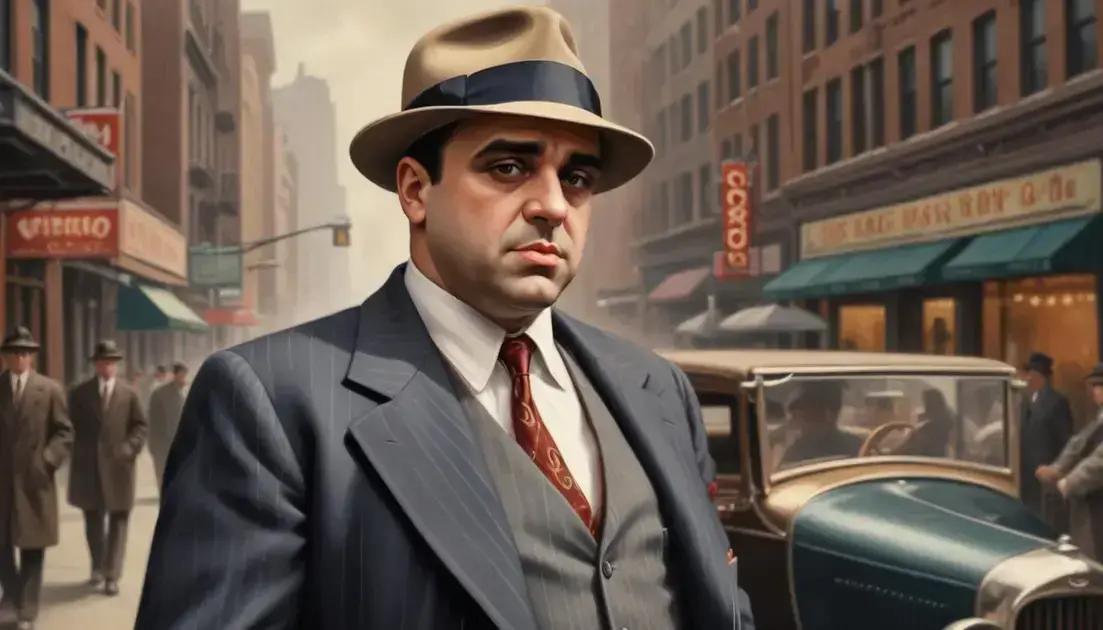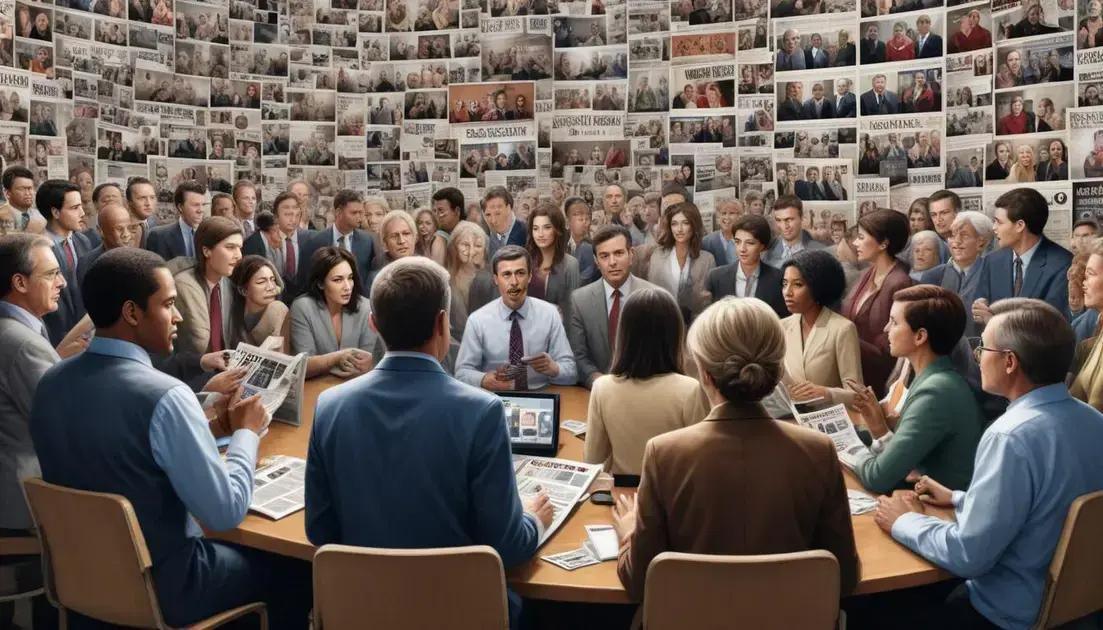
How media built (and destroyed) political myths
The media plays a crucial role in shaping political narratives and public perception. It influences how stories are told, which issues receive attention, and how audiences engage with political content. As digital media rises, challenges like misinformation and bias become more prominent. The future of media will emphasize interaction and citizen journalism, requiring a critical approach to information consumption to foster informed public discourse.
Media control is a powerful force that shapes the narratives which dictate our understanding of politics. In this article, we’ll explore how these narratives are created and manipulated.
The relationship between media and politics
The relationship between media and politics is very close. Media helps shape how we view political events and leaders. When a news story breaks, it can change our opinions quickly. We often rely on media to learn about candidates and their proposals.
How Media Influences Public Opinion
Media has the power to highlight certain issues while ignoring others. This can lead to a skewed perception of what matters most. For instance, if a news outlet covers a political scandal extensively, it may sway public opinion against a candidate.
Political Communication
Politicians use media to communicate with voters. Social media, in particular, allows them to reach many people. They share updates, respond to concerns, and even attack opponents. This direct line to voters can be a game-changer in an election.
The Role of Journalism
Journalism plays a critical role in our democracy. Investigative reporters uncover truths about politicians and policies. Their work keeps the public informed and holds leaders accountable.
Media Bias and Its Effects
Media bias can affect how news is reported and perceived. Some outlets have a political agenda, leading to partial reporting. This emphasizes the importance of consuming news from diverse sources to get a full picture.
How narratives are constructed by media
Media constructs narratives by selecting certain stories to tell. This process significantly shapes how we understand events. For example, a news story about a protest can highlight different angles. It might focus on the reasons for the protest or the resulting chaos.
The Power of Choice
What media chooses to cover matters a lot. By emphasizing specific details, they guide our thoughts and feelings. This selective reporting can influence public opinion and political outcomes.
Framing Techniques
Framing is a technique media uses to create a narrative. It involves presenting information in a way that shapes interpretation. For instance, describing a political leader as “bold” versus “reckless” can create very different perceptions.
Imagery and Language
The words and images media uses also play a big role. Catchy headlines or dramatic photos can attract more viewers. They often set the tone for how the audience reacts to the news.
Impact on Society
The narratives constructed by media can affect societal views and behaviors. They shape beliefs about issues like race, gender, and politics. As consumers of media, it’s important to think critically about what we see and hear.
The impact of media on public perception
The impact of media on public perception is huge. Media shapes what we think and feel about various topics. When a news outlet covers a story, it influences how people react. For example, positive coverage of an event can create excitement among the audience.
Shaping Opinions
Media plays a big role in forming opinions. When we read or watch certain news, we are often influenced by the language used. Words like “hero” or “villain” can lead us to see someone in a specific light.
Highlighting Issues
Media also decides which issues get attention. By focusing on topics like climate change or healthcare, they guide what people believe is important. This focus affects public discussions and even policies.
The Role of Social Media
Social media platforms amplify media’s influence. People share articles and posts, spreading messages quickly. This means that a single story can reach millions in a matter of hours, shaping public perception on a massive scale.
Effects on Behavior
The way media presents information can change how people act. For instance, news about health risks can lead to more people seeking medical help. It shows how media not only informs but also drives behavior.
Case studies of media shaping political myths
Case studies show how media can shape political myths significantly. Specific events and stories often lead to lasting beliefs. One well-known example is the coverage of electoral campaigns. Media narratives can make candidates seem like heroes or villains.
Election Coverage
During elections, the way media covers candidates affects their public image. A candidate may appear strong and reliable if covered positively. On the other hand, negative coverage can damage their reputation and influence voting behavior.
Influence of Investigative Reporting
Investigative journalism often reveals important issues. These reports can shift public perception about political figures. For instance, stories about corruption can make voters question a candidate’s integrity, leading to significant shifts in support.
Media Bias Examples
Media bias can also create myths. For example, certain outlets may favor specific political agendas. This can lead to distorted views of events. Audiences might not realize they are only getting one side of the story.
Impact of Crisis Reporting
Coverage of crises, like natural disasters or scandals, can create lasting beliefs. Dramatic images and reports can shape how people view government effectiveness. This, in turn, can influence political debates and policies.
The future of media and political narratives
The future of media and political narratives is rapidly evolving. New technologies are changing how people consume information. Social media platforms now play a major role in shaping political discussions.
Rise of Digital Media
Digital media offers instant access to news and information. This has created a more informed public but also challenges. Misinformation can spread quickly, affecting how people view political issues.
Impact of Algorithms
Algorithms on social media decide what content users see. This can create echo chambers, where people only see viewpoints they agree with. As a result, political polarization can increase.
Engagement and Interactivity
Future narratives may focus on increased engagement. Audiences want to interact with content. This can mean commenting, sharing, or even creating their own stories, which can influence public perception.
Role of Citizen Journalism
Citizen journalism is becoming more relevant. Everyday people can report news through blogs and social media. This can diversify narratives, but it also raises questions about accuracy.
Ethical Considerations
As media evolves, ethical issues become more important. Media outlets must maintain trust by ensuring fair reporting. Transparency about sources and funding is vital as narratives shift in the digital age.
Conclusion
In conclusion, the relationship between media and political narratives will only grow stronger. As technologies change, so will the stories we share and hear. It’s important to stay informed and critical of what we consume from various media sources.
Understanding how narratives shape our views can help us make better decisions. The rise of digital media provides exciting opportunities but also challenges we must navigate. By being aware of biases, misinformation, and the role of social media, we can engage more thoughtfully in political discussions.
As we look to the future, remember that your voice matters. Engaging with media responsibly can lead to stronger communities and a better understanding of our world. Ultimately, staying informed and questioning narratives is essential for a healthy democracy.