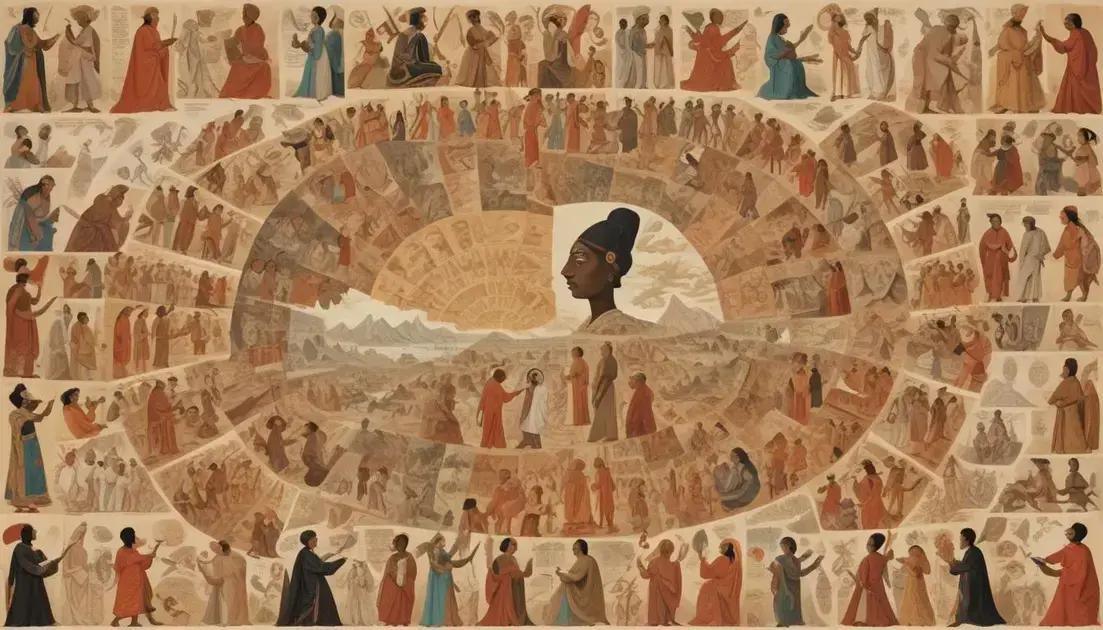
The story as weapon: how myths shape nations
Narratives hold significant power in shaping our culture, connecting people, and preserving histories. They inspire action, promote empathy, and help societies understand their identities. Through storytelling, we can learn valuable lessons and celebrate diversity, making narratives essential for community building and social change in contemporary society.
Myths have always been at the heart of how nations define themselves and their destinies. By exploring the stories we tell, we can understand our cultures and ideals better. So, what role do these myths play in shaping our world today?
The role of myths in national identity
Myths play a huge role in shaping national identity. They help us understand who we are as a people. Each nation has its own set of stories that reflect its values, struggles, and triumphs.
Unifying Narratives are crucial in bringing people together. When we share the same myths, we feel connected. These stories create a sense of community, bonding us through shared history.
For example, in many cultures, creation myths explain how a group came to be. These tales are more than just stories; they form the foundation of collective identity.
Moreover, myths influence our behavior. They shape how we see ourselves and how we interact with others. For instance, stories of heroism can inspire bravery in citizens. Such narratives encourage people to contribute to the greater good.
Additionally, myths help preserve tradition. They keep the past alive for future generations. Through storytelling, cultural heritage is passed down, reminding us of our roots.
In today’s world, myths remain relevant. They adapt to contemporary issues, helping us navigate modern life. By engaging with these stories, we can better understand ourselves and our society.
Examples of influential myths
Many influential myths shape our understanding of the world. These stories have deep roots and resonate with people across generations. They often explain natural events or teach moral lessons.
One popular example is the myth of Hercules. This ancient tale follows the hero’s incredible strength and bravery. People admire him for overcoming great challenges. His story encourages us to face our own struggles with courage.
Another powerful myth is the tale of King Arthur. His legend revolves around honor, loyalty, and the quest for justice. The symbolism of the round table teaches us about equality and teamwork.
Myths also provide insight into cultures. For instance, Norse myths, like those of Thor and Loki, showcase the values of bravery and cleverness. These stories explain human traits while highlighting the importance of friendship and resolve.
In Native American culture, myths like that of the Spider Woman illustrate creation and connection to nature. This story teaches the importance of balance and respect for the environment.
Influential myths often adapt to modern times. They guide us in understanding our identities and our place in society. By sharing these stories, we create connections between past and present.
How myths affect political narratives
Myths play a significant role in shaping political narratives. They influence how people view their leaders and governments. By using powerful stories, politicians can connect with citizens on a deeper level.
For instance, politicians often craft myths around their own identities. They want to appear as heroes or saviors. These stories can create strong emotional ties between leaders and the people. Such bonds often sway public opinion and help gain support.
Myths also shape national values. They help define what is seen as right or wrong in politics. For example, the myth of freedom is central to American identity. Leaders often reference this myth to justify actions and policies.
Moreover, myths can create a feeling of unity. When people share common stories, they feel connected. This shared belief can rally citizens around a cause or movement. It helps build a strong national identity, especially during tough times.
However, myths can also be misused. Some politicians exploit them to manipulate emotions. This can lead to division or conflict among citizens. It’s important to recognize how myths impact our perceptions.
In conclusion, the relationship between myths and political narratives is complex. Understanding this dynamic can help us see through the stories presented by leaders. It empowers us to question and engage more meaningfully in political discourse.
The impact of storytelling on culture
Storytelling is a powerful tool that shapes culture in many ways. Every society has its stories that convey values and beliefs. These stories are often passed down through generations.
One impact of storytelling is its ability to preserve history. By sharing stories, cultures keep their past alive. This helps people remember important events and figures that shaped their identity.
Storytelling also fosters connection. When people share their experiences, they create bonds. These connections build community and a sense of belonging among diverse groups.
In addition, storytelling influences how we see the world. Through stories, we explore different perspectives and ideas. This can lead to greater empathy and understanding between cultures.
Moreover, storytelling can inspire change. Stories about overcoming challenges often motivate people to take action. They spark movements for social justice and community improvement.
Today, storytelling continues to evolve. With technology, we share stories through various media like films and podcasts. This evolution allows cultures to reach broader audiences.
Ultimately, the impact of storytelling on culture is profound. It shapes how we understand ourselves and others. By embracing storytelling, we celebrate diversity and foster unity among people.
Myths in contemporary society
Myths play an important role in our contemporary society. They help shape our beliefs and values today. Even if they seem old-fashioned, myths are everywhere in modern life.
For example, many myths still influence popular culture. Movies, books, and songs often use traditional myths to tell new stories. This shows how relevant these ancient tales are to us.
Myths also shape our social understanding. They offer explanations for complex issues. For instance, some people might turn to myths to find meaning during tough times. These stories can provide comfort and clarity.
Furthermore, myths can influence our views on important topics like gender and identity. People use these narratives to explore who they are and how they fit into society. This exploration can lead to positive change and greater acceptance.
In the digital age, myths spread quickly. Social media allows stories to reach larger audiences in seconds. But, it’s important to question these myths critically. Not every story we find online is true or helpful.
Ultimately, modern myths can guide us, inspire us, or mislead us. By being aware of their power, we can better navigate our society today. Engaging with these myths helps us understand ourselves and our world.
Conclusion about the power of narratives
Narratives hold great power in shaping how we view the world. They help us understand our place in society and connect us with others. Stories can inspire, teach, and even heal.
By sharing narratives, cultures preserve their histories. These tales keep traditions alive and pass down important lessons. For example, family stories connect generations and help us remember our roots.
Narratives also influence our feelings and actions. A good story can motivate us to make changes in our lives. Whether it’s through books, films, or oral traditions, stories can spark movements and encourage social change.
Furthermore, engaging with different narratives builds empathy. When we expand our understanding of others’ experiences, we grow. This can lead to stronger communities and promote acceptance.
In today’s world, where we face many challenges, powerful narratives offer hope and direction. They remind us that we aren’t alone and that change is possible. Each story we hear or tell adds to our collective experience, enriching our lives.
Conclusion
In conclusion, narratives are a powerful tool that shapes our understanding of the world. They help us connect with others and preserve our cultures. By sharing stories, we keep our histories alive and learn important lessons for the future.
Narratives motivate us to act and inspire change. They build empathy and create a sense of community. In times of challenge, stories remind us that we are not alone and that hope exists.
Ultimately, embracing the power of narratives allows us to enrich our lives and foster connections with those around us. Let’s continue to share our stories and celebrate the diverse experiences that make us who we are.