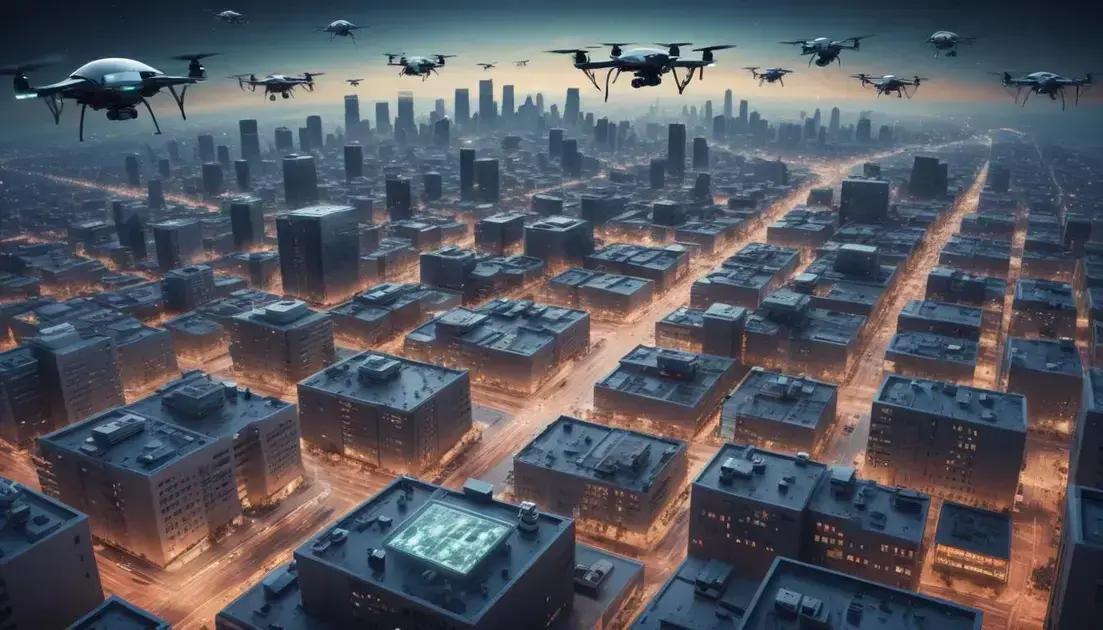
Eyes everywhere: the architecture of global surveillance
The rise of surveillance technology significantly impacts privacy and civil rights across the globe. Different countries adopt various monitoring techniques, with some prioritizing safety while others focus on individual freedoms. Emerging technologies like AI and smart city systems enhance surveillance capabilities but also pose ethical challenges. Public awareness and engagement are crucial to ensure these tools are used responsibly and transparently. As society navigates the future of surveillance, balancing security needs with respect for personal privacy will be essential.
Welcome to a world where surveillance is omnipresent. Ever felt like you’re being watched? You’re not alone…
The Rise of Surveillance Technology
Surveillance technology is everywhere now. From the streets to our phones, it seems like we’re always being watched. A big part of this rise has been the development of powerful cameras and sensors that can capture images and sounds in real-time.
Why Is This Happening?
Governments and businesses see this technology as a way to keep people safe. They argue it helps prevent crime and improve security. Sometimes, they claim that monitoring can even help in emergencies, such as during natural disasters.
Types of Surveillance Technology
There are many types of surveillance tech. For instance, closed-circuit television (CCTV) is common in cities. These cameras record activities and can be viewed in real-time. Similarly, smartphones use individual tracking to monitor our movements, raising privacy concerns.
Public Opinion
Opinions on surveillance technology vary. Some people feel safer knowing that technology watches over them. Others worry about losing their privacy. This debate continues as technology grows.
Future of Surveillance
Looking ahead, we can expect even more advancement. Drones and facial recognition software are already being tested. These could change how we think about safety and privacy.
Overall, surveillance technology keeps evolving, bringing both benefits and challenges. It’s essential to balance safety and privacy for everyone involved.
Impact on Privacy and Civil Rights
The rise of surveillance technology has a big impact on privacy and civil rights. Many people worry about how much they’re being watched. With cameras everywhere, it feels like no one is truly alone.
Privacy Concerns
When we use our phones or check a camera, our actions can be tracked. This raises questions about who is watching and why. It’s important to know how our data is collected and used. People often feel their personal space is invaded.
Civil Rights Issues
Surveillance can affect civil rights too. Groups that promote human rights point out how monitoring can lead to discrimination. If some people are watched more than others, it creates unfair treatment.
Legal Protections
In many places, laws exist to protect our privacy. However, these laws often lag behind new technology. It’s crucial to update regulations so they keep pace with how surveillance is used today.
Public Awareness
Public awareness is important. Many citizens should understand how surveillance affects their lives. Some advocate for more transparency to know how surveillance tools are used.
As technology improves, balancing surveillance with respect for privacy and civil rights becomes more critical. Everyday discussions can lead to better policies.
Global Perspectives on Monitoring
Surveillance isn’t just a local issue; it’s a global one. Different countries have varied ways of monitoring their citizens. Each approach reflects local laws and cultural attitudes.
Diverse Approaches
In some places, surveillance is accepted as necessary for safety. For example, many countries use closed-circuit television (CCTV) widely in public areas. Others may limit its use, valuing privacy over constant monitoring.
Government vs. Public Opinion
Government actions often depend on public opinion. Some people support surveillance, believing it improves security. Others worry it infringes on personal freedoms.
International Differences
Internationally, nations differ on data collection. In places like China, extensive monitoring helps maintain social order. Meanwhile, other democracies focus on protecting individual rights, even if it means less security.
Case Studies
Looking at specific cases reveals a lot. For instance, European countries have strict laws on data privacy. In contrast, some Middle Eastern nations use surveillance heavily without regulations.
Understanding global perspectives on monitoring helps explain how countries prioritize safety and privacy differently. This knowledge encourages ongoing discussions about the right balance.
Future of Surveillance and Control
The future of surveillance and control is changing quickly. New technologies are emerging that can alter how we monitor the world around us. Innovations like artificial intelligence (AI) and advanced data analytics are leading the way.
Emerging Technologies
For example, AI can analyze video footage much faster than humans. It can detect unusual behaviors or identify people in crowds. This makes surveillance more effective but raises new privacy concerns.
Ethical Considerations
As surveillance advances, ethical questions arise. How do we use these technologies responsibly? Many worry about issues like bias in AI algorithms. Our data should be used fairly without profiling or discrimination.
Smart Cities
Smart cities will likely play a big role in the future of surveillance. These cities will use networks of sensors to manage everything from traffic to safety. However, this relies heavily on monitoring people constantly.
Public Engagement
Public input is essential in these discussions. People should have a say in how surveillance is implemented in their communities. Transparency is key to building trust between citizens and government agencies.
Overall, the future holds both promise and challenges. Balancing security with respect for privacy will be vital as we move forward.
Conclusion
In summary, the future of surveillance and control brings both opportunities and challenges. As technology advances, we must find a balance between safety and personal privacy. Innovations like AI and smart city systems can enhance security, but they also raise ethical questions.
It’s important for communities to stay informed and engaged. Public awareness and participation can ensure that surveillance technologies are used fairly. We should all have a voice in how these systems impact our lives.
As we move forward, the goal should be to create a society where surveillance helps us feel safe while still protecting our rights. By doing this, we can embrace the future with confidence and responsibility.