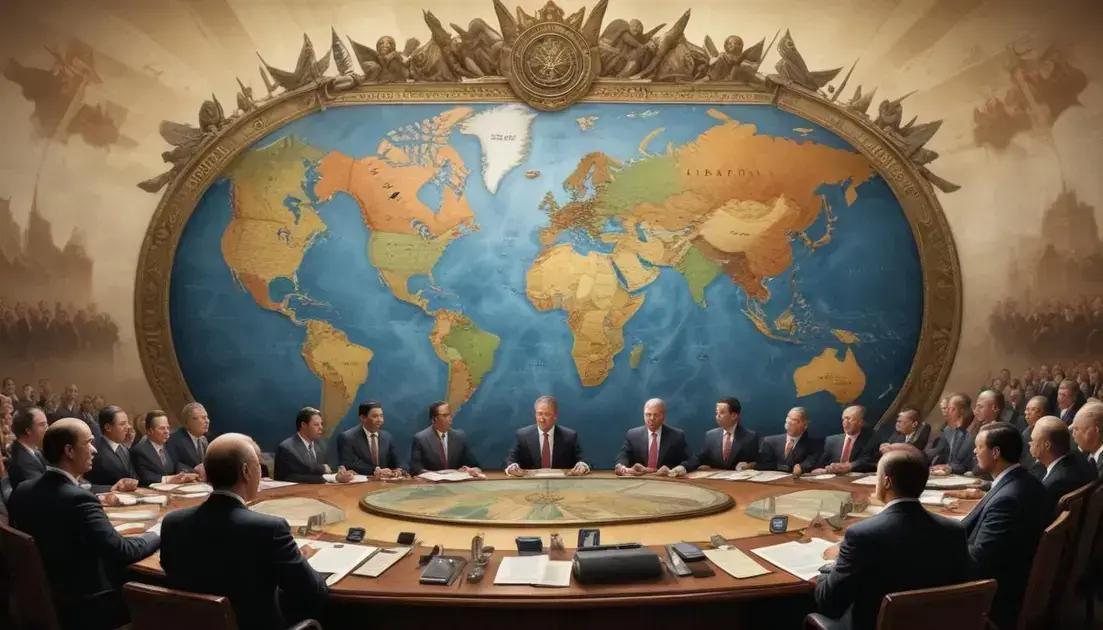
The Shifting World Order of the 21st Century
The future of global dominance is being shaped by various factors such as the rise of emerging nations like India and Brazil, advancements in technology including AI and renewable energy, and the growing importance of sustainability. Cooperation among nations will be crucial in addressing global challenges like climate change. Adapting to changing trade patterns will also influence which countries maintain economic leadership. By understanding these dynamics, we can anticipate shifts in global power over the coming years.
Global Influence in the 21st century is more dynamic than ever—just think about how quickly power can shift today! Let’s explore what’s driving these changes.
The decline of traditional empires
The decline of traditional empires has been a major shift in our global landscape. Many powerful nations, once dominant, are now facing challenges that reshape their influence.
Factors Leading to Decline
There are a few key reasons why traditional empires are losing power. First, economic struggles play a big role. Nations that once thrived now deal with debt or declining resources.
Political instability is another factor. Countries with weak leadership face internal conflicts, making them less effective on the world stage.
Rise of New Powers
As traditional empires fall, new powers are emerging. Nations like China and India are becoming influential players. Their growing economies and strategic initiatives are shifting the balance of power.
Globalization’s Impact
Globalization has connected countries like never before. This has allowed smaller nations to find their voice and challenge the old establishments. Trade agreements and international partnerships are fostering this change.
Examples of Decline
Looking at history, we see the decline of empires like the Roman and Ottoman empires. They lost territory, resources, and influence over time, teaching us valuable lessons for today.
The rise of corporate power
The rise of corporate power is changing how we see the world. Companies now play a big role in shaping our everyday lives.
How Corporations Gained Influence
Over the years, corporations have grown stronger. They expand through smart strategies and global reach. This has led to increased wealth and power.
The Impact of Technology
Technology fuels corporate growth. It helps companies innovate and connect with more people. Social media, for example, allows brands to interact directly with consumers.
Globalization and Corporations
Globalization has also boosted corporations. It allows them to operate in multiple countries. This means they can tap into new markets and find cheaper labor.
Corporate Influence on Policy
Corporations often influence government decisions. They can lobby for laws that benefit their interests. This power can shape everything from environmental policies to labor laws.
Examples of Corporate Power
Think about major companies like Apple or Amazon. They’ve changed industries and created new trends. Their influence goes beyond just products; it affects culture and society.
Impact of technology on global influence
The impact of technology on global influence is huge. Today, technology connects us in ways we never thought possible.
Communication Changes
With the rise of the internet, information spreads quickly. Social media platforms let voices from anywhere reach a global audience. This changes how movements build and gain support.
Economic Influence
Technology boosts economies by creating new industries. Businesses can now operate globally, finding customers in different countries. This opens doors for growth and innovation.
Access to Information
Access to information is easier than ever. People can learn about global issues in real time. This knowledge empowers individuals to engage in global discussions.
Cultural Exchange
Technology allows cultures to share ideas and practices. Streaming platforms spread entertainment worldwide. This can mix cultural influences and create new trends.
Challenges of Technology
While technology has benefits, it also brings challenges. Issues like misinformation and digital privacy concerns arise. It’s crucial to be aware of these problems as we navigate this tech-driven world.
Case studies of nations and corporations
Case studies of nations and corporations show how global influence is shifting. They provide real examples of success and challenges.
Nations Adapting to Change
Look at countries like Singapore. They embraced technology to boost their economy. With smart policies, they became a tech hub in Asia.
Corporate Success Stories
Companies like Tesla have changed the game in the auto industry. Their focus on sustainability and innovation set new standards for others.
Health Care Innovations
In health care, nations like Sweden lead with technology. They’ve used telemedicine to improve patient access while reducing costs.
Challenges Faced
However, not all stories are positive. Countries like Venezuela struggle with economic decline. Their cases show how poor policies can lead to failure.
Learning from Each Other
These case studies teach us valuable lessons. Nations and corporations can adapt by learning from successes and mistakes. Sharing knowledge encourages better strategies for everyone.
Future predictions for global dominance
Future predictions for global dominance offer a glimpse into what the world might look like. Experts are already making forecasts based on current trends.
The Rise of New Powers
Countries like India and Brazil are expected to gain more influence. Their growing economies and young populations make them key players.
Technology’s Role
Technology will shape global power dynamics. Innovations in AI and renewable energy can tip the scales in favor of tech-savvy nations.
Environmental Challenges
Environmental issues are also a big factor. Countries that lead in sustainability may gain respect and influence. This can shift alliances and partnerships.
Global Cooperation
Cooperation is essential for tackling global challenges. Nations working together can address common threats like pandemics and climate change more effectively.
Shifts in Trade
Trade patterns may change, affecting which countries dominate the economy. Nations that adapt quickly will likely thrive.
Conclusion
In conclusion, the future of global dominance is fascinating and complex. With countries like India and Brazil rising in influence, we can expect exciting changes. Technology will play a vital role in shaping this future, especially innovations in AI and renewable energy.
Environmental issues and sustainability will also impact which nations lead the way. Countries that collaborate to tackle global challenges, like climate change and health crises, are likely to gain more respect and influence.
Trading patterns are shifting, too, and nations that adapt quickly will thrive in the global economy. Overall, by understanding these trends, we can better prepare for a world where power dynamics continually evolve.