Misinformation: history’s favorite weapon
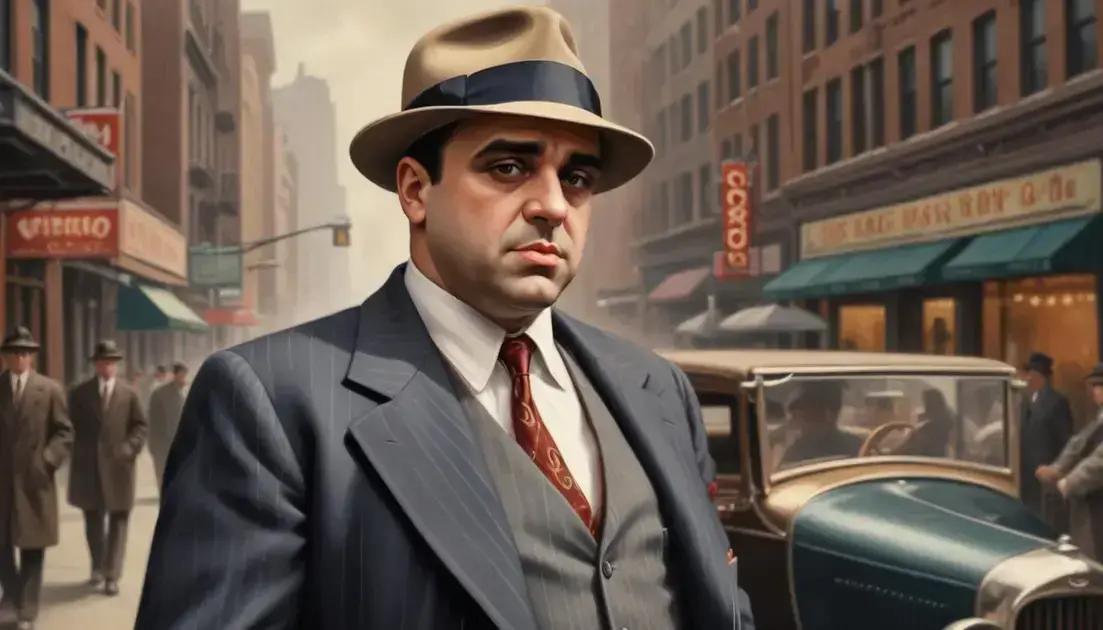
Misinformation has shaped history and continues to affect modern society significantly. Notable historical examples, such as the Gulf of Tonkin incident and World War II propaganda, demonstrate how deceptive strategies have altered public perception and decision-making. Understanding these cases emphasizes the ongoing effects of misinformation on politics, culture, and public health today, urging individuals to seek accurate information and critically evaluate sources.
Misinformation has always been a tool of power, shaping narratives and bending truths. From ancient empires to today’s digital landscape, how have these strategies shifted over time?
The role of misinformation in shaping history
The role of misinformation has been significant throughout history. Leaders and empires often used lies to gain power or control. This manipulation shapes not just perceptions but also events. When the truth is twisted or hidden, it changes the way people think and act.
For example, during wartime, false information can mislead enemies or citizens. Propaganda spreads lies that fuel conflict or sway public opinion. These tactics weren’t just tools of modern times; even ancient rulers used misinformation to assert dominance and instill fear.
Misinformation can create divides. It can pit groups against each other, coinciding with political motives. Newspapers, speeches, and even art have served as vehicles for spreading false narratives. The emotional impact of deceptive messaging often overshadows the truth.
Studying how misinformation operates helps us understand our past. Recognizing these patterns can be vital to avoid repeating them. Lessons from history teach us that we must question what we hear, fostering critical thinking.
As we navigate today’s information age, knowing the tactics used throughout history can empower us. By being aware of the role misinformation plays, we can strive to make informed decisions. It’s essential to discern facts from fiction, especially in a world filled with noise.
Empires that thrived on deception
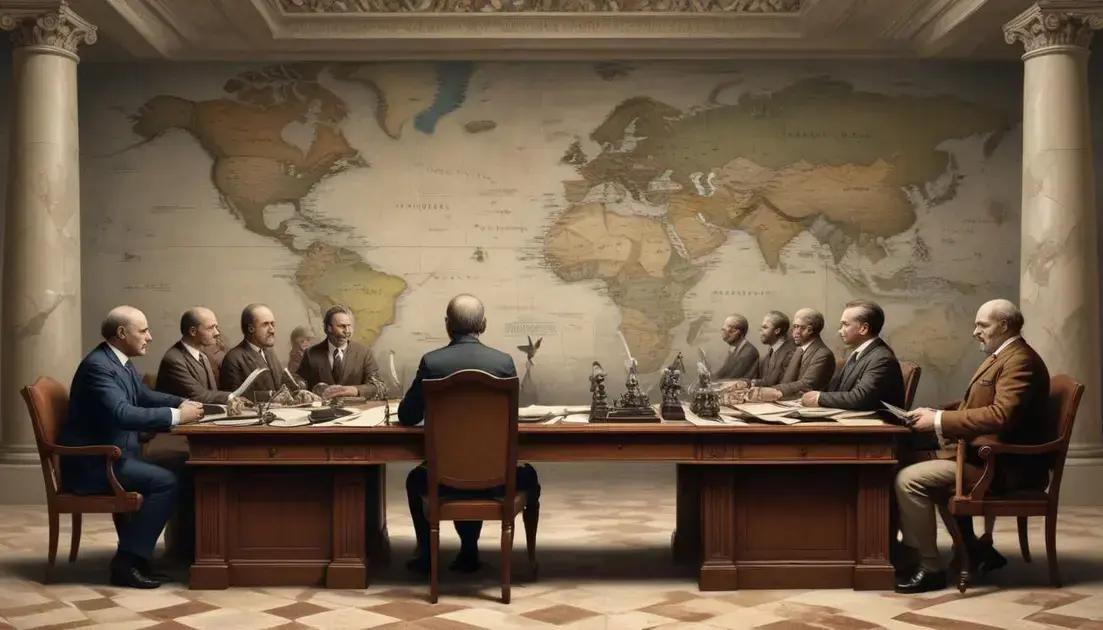
Empires that thrived on deception show us a lot about human nature. Throughout history, many powerful rulers used lies to strengthen their control. These falsehoods helped manipulate public opinion and maintain power.
Take ancient Rome, for example. Leaders often spread rumors to undermine rivals. They crafted stories that painted themselves as unbeatable. This promoted loyalty among the citizens while silencing dissent.
In the East, the Ming Dynasty also relied on deception. Some emperors used propaganda to boost their image. They created false narratives to disguise failures and emphasize successes. This helped them keep their rule unchallenged.
Similarly, during the Enlightenment, misinformation played a big role. Thinkers and writers spread ideas that sometimes distorted the truth. Their influence shaped societies, leading to revolutions and reforms.
Even in modern times, governments in different regions still use deception. Misinformation can distract citizens from real issues. It can create fear and confusion, helping those in power stay unchallenged and control the narrative.
These examples show how strong deception can be. When lies are believed, they shape our worldviews and can affect how history unfolds. Learning from these empires helps us recognize the importance of questioning information.
Modern implications of historical misinformation
Modern implications of historical misinformation are very evident today. Many people believe stories that are not true because of what they read online. This can lead to confusion about real events and facts. Misinformation can spread quickly, especially on social media.
For instance, when election seasons arrive, false claims can influence voters. These misleading narratives can shape opinions and the outcome of elections. Understanding how history played a role helps us see why this happens.
Besides politics, misinformation can affect how we view cultures and societies. Misunderstandings from the past can create stereotypes. These stereotypes often persist and damage relationships between different groups.
Moreover, the spread of misinformation can affect public health. During outbreaks, false information about diseases can lead to fear and mistrust. This makes it harder for health officials to manage situations properly.
The role of journalism is also critical. News organizations aim to report facts, but even they can sometimes fall into traps. They may unintentionally spread false information or present it without proper context. This emphasizes the need for critical thinking.
Being aware of historical misinformation helps us recognize patterns. It’s essential to question claims and seek out reliable sources of information. Knowledge from the past teaches us to be vigilant and informed in the present.
Case studies of significant deceptive strategies
Case studies of significant deceptive strategies reveal how misinformation has shaped history. Numerous examples show how leaders and groups used lies to gain power or influence.
One well-known case is the Gulf of Tonkin incident. In 1964, U.S. leaders falsely reported attacks on American ships. This led to increased military involvement in Vietnam. The deception caused many lives lost and affected international relations.
Another example is the use of propaganda during World War II. Both Allied and Axis powers spread misinformation to mislead enemies. Posters and films often twisted the truth to rally support for their causes. The aim was to boost morale while demoralizing opponents.
The Selling of the Iraq War is another notable case. In the early 2000s, false claims about weapons of mass destruction swayed public opinion. These untruths justified military action and reshaped the region.
In advertising, deceptive strategies are common too. Companies sometimes exaggerate product benefits. False claims trick customers into believing they are getting more value. This has consequences for consumer trust and brand loyalty.
These case studies highlight the power of deception. Understanding these strategies shows us the importance of seeking the truth. As history teaches us, lies can have real and lasting effects on societies.
Conclusion
In conclusion, understanding the impact of misinformation throughout history is crucial. Examples like the Gulf of Tonkin incident and propaganda during World War II show how lies can change the course of events. These deceptive strategies remind us to think critically about the information we encounter.
Today, misinformation still affects our lives, from politics to advertising. Learning from past mistakes helps us recognize patterns and seek the truth. By staying informed and questioning claims, we can make better decisions.
Ultimately, awareness of how deception shapes our world empowers us. It encourages us to communicate accurately and fosters trust in our society. Let’s value honesty and strive to uphold it in our daily interactions.