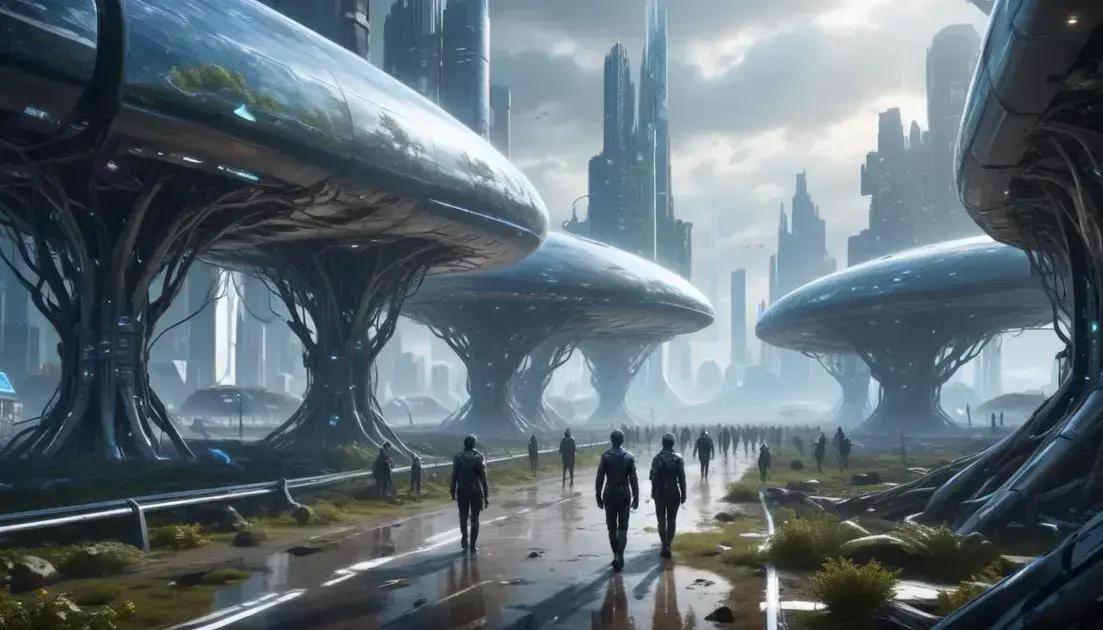
The uncertain future of the human species
The future of humanity is shaped by rapid technological advances, the climate crisis, and significant societal changes. Embracing sustainability, fostering global cooperation, and adapting education to meet new demands are crucial for navigating these challenges. As we look ahead, understanding the impact of AI, reassessing family dynamics, and ensuring health and wellbeing will be vital for creating an inclusive and thriving society.
Have you ever wondered about the future of humanity? With technology evolving and our climate changing, we are at a crossroads that demands serious reflection.
AI and its Impact
Artificial Intelligence (AI) is changing the way we live and work. It’s not just for big corporations. Even small businesses are starting to see its benefits. AI and its impact can be big.
Improving Daily Tasks
AI helps automate daily tasks. For instance, chatbots can answer customer questions anytime. This means customers get support 24/7. It saves time and allows workers to focus on more important things.
Personalizing Experiences
Another cool thing about AI is personalization. AI can learn what customers like. Then, it can suggest products or services that fit their interests. This makes shopping easier and more enjoyable.
Data Analysis and Insights
AI can also analyze data quickly. It finds patterns that humans might miss. This helps businesses make better decisions. For example, a restaurant can use AI to see what dishes are the most popular.
Next Steps for Businesses
Businesses should start small. They can choose one area where AI can help the most. Once they see success, they can expand to other areas. Testing new tools is a great way to learn.
Final Thoughts
AI is not just a buzzword; it’s here to stay. Understanding its impact can help everyone, from large companies to small shops. Being open to new technology can lead to amazing opportunities.
The Climate Crisis
The climate crisis is one of the biggest challenges we face today. It affects everyone, no matter where we live. Changes in weather patterns and rising sea levels are clear signs of this problem.
The Impact on Nature
The climate crisis harms wildlife. Many species are at risk of extinction due to habitat loss. Forests and oceans are also suffering. This hurts our planet’s biodiversity.
Human Health Risks
It’s not just nature that suffers; people do too. Extreme weather events like hurricanes and heatwaves can cause injuries and health issues. Poor air quality from pollution can lead to serious illnesses.
What’s Causing the Crisis?
Human activities, like burning fossil fuels, are major contributors. Deforestation and industrial processes release carbon dioxide and other greenhouse gases. These gases trap heat in the atmosphere and make our planet warmer.
How Can We Help?
Everyone can play a part in helping the climate. Simple actions like reducing waste, recycling, and using less energy can make a difference. Supporting clean energy sources is also important.
Working Together for Change
Governments, businesses, and communities need to work together. Policy changes and new technologies can lead the way toward a more sustainable future. It’s crucial to take action now before it’s too late.
Societal Changes
Societal changes are happening all around us. People’s values, behaviors, and beliefs are shifting. These changes affect how we live and interact with each other.
The Impact of Technology
Technology plays a big role in societal changes. Social media connects us but also creates challenges. While it helps us stay in touch, it can also spread misinformation.
Economic Shifts
The economy is changing too. More people are working remotely now. This shift impacts family life and how communities interact. People enjoy more flexibility, but it can be isolating at times.
Increased Awareness
There’s a growing awareness of social issues. Many are advocating for equality and inclusion. Movements for justice and climate awareness are on the rise. People want their voices heard.
Changing Family Dynamics
Family structures are also evolving. More diverse family types are now common. This change reflects broader acceptance and understanding of different lifestyles and relationships.
Community Engagement
Communities are focusing on engagement. Neighborhoods are hosting events and activities. This effort brings people together and strengthens local bonds.
Future Perspectives
When we think about future perspectives, we imagine many possibilities. The world is changing rapidly, and our choices will shape what comes next.
Technological Advances
Technology will play a huge role in our future. Innovations in AI and robotics could change our jobs and daily lives. Will machines take over tasks or create new ones?
Sustainability Goals
More people are focusing on sustainability. Protecting our planet is crucial for the future. Renewable energy sources like solar and wind are gaining popularity.
Global Cooperation
Future challenges will require global teamwork. Countries need to work together to tackle problems like climate change and social issues. Collaboration can lead to better solutions.
Education and Skills
The future of work will demand new skills. Continuous learning will be essential. Educational systems should adapt to prepare students for a changing world.
Health and Wellbeing
As technology evolves, our health care system might change too. Personalized medicine could become more common, providing tailored treatments for individuals.
Conclusion
In conclusion, the future perspectives for humanity are filled with both challenges and exciting opportunities. By embracing technology, focusing on sustainability, and encouraging global cooperation, we can shape a better world. Preparing our education systems for new skills will help future generations thrive.
It’s important for everyone to take part in this journey. Whether through local communities or global initiatives, each of us can make a difference. The choices we make today will impact tomorrow, so let’s work together to create a brighter, more inclusive future.
Tags: