The art of diplomacy in a divided world
The evolution of diplomacy and its role in modern international relations involves addressing global challenges like climate change and cybersecurity. International organizations like the United Nations facilitate cooperation between nations, promoting peace and development. Effective diplomacy requires clear communication, cultural understanding, and the ability to adapt strategies. As technology advances, the future of diplomacy will increasingly rely on online tools and younger leaders, ensuring it remains relevant and responsive to global needs.
In today’s complex landscape, **diplomacy** plays a crucial role in resolving conflicts and fostering international cooperation. Ever wondered how words can change the course of history? Let’s dive in!
Introduction to Diplomacy
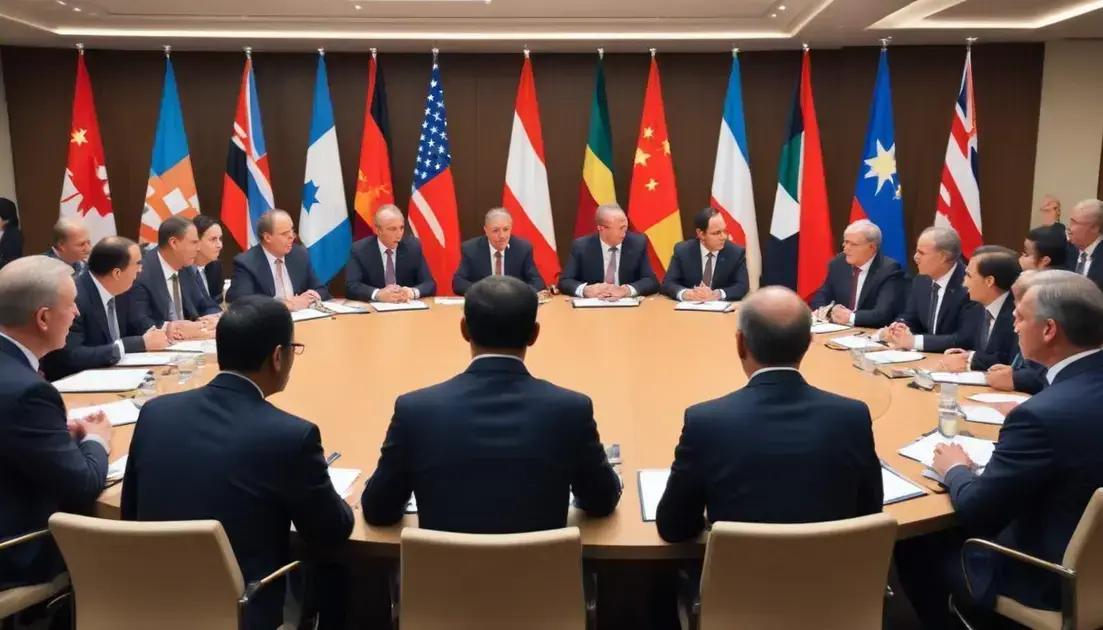
Diplomacy is the art of managing relationships between countries. It’s about understanding cultures, languages, and political views. When nations come together, they often seek to resolve issues without conflict. This is where diplomacy shines.
Diplomats work hard to create agreements that benefit all parties. They negotiate trade deals, peace treaties, and more. Having good communication skills is essential because misunderstandings can lead to serious problems.
In a world full of differences, diplomacy offers a way to bridge gaps. It helps foster peace and mutual respect. By listening and understanding, diplomats can turn potential conflicts into productive conversations.
Being a diplomat is not just about talking. It takes patience, empathy, and a willingness to compromise. Every agreement starts with a discussion. Sometimes, it takes years to reach a successful conclusion.
In this globalized world, understanding diplomacy is crucial. It impacts everything from business to travel. When nations cooperate through diplomacy, everyone benefits. We enjoy safer and more stable environments.
The Evolution of Diplomacy
The evolution of diplomacy is a fascinating journey. It dates back thousands of years. Early diplomats were often messengers. They brought letters between kings and queens.
As nations grew, so did the need for formal diplomacy. In ancient times, city-states would send envoys to negotiate peace or trade. These first diplomats laid the groundwork for today’s practices.
With the rise of empires, diplomacy became more complex. Countries started establishing ambassadors in foreign lands. This allowed for better communication and quicker negotiations. Ambassadors acted on behalf of their rulers, ensuring interests were protected.
In the modern era, the rules of diplomacy evolved further. The Vienna Convention of 1961 set important guidelines for diplomatic relations. It established rights and duties for diplomats and their host countries.
Today, diplomacy is about global cooperation. Nations work together on issues like climate change and security. Technology also plays a big role. Video calls and instant messaging help diplomats connect quicker than ever before.
The evolution of diplomacy shows how important communication has become. It allows nations to solve problems together. By understanding each other better, countries can prevent conflicts and build peace.
Strategies for Effective Diplomacy
Strategies for effective diplomacy are vital for successful international relations. First, listening carefully is crucial. Diplomats must understand the needs and concerns of others.
Building trust is another key strategy. Trust takes time, but it makes negotiations smoother. When countries trust each other, they are more likely to cooperate.
Clear communication is essential in diplomacy. Using simple language helps avoid misunderstandings. Diplomats should speak openly and directly, ensuring everyone is on the same page.
Moreover, being flexible is important. Sometimes, compromises are necessary to reach agreements. Diplomats need to adapt their strategies while keeping their goals in mind.
It’s also helpful to know the cultural background of the people involved. Understanding different customs and values fosters better relationships. It shows respect and can lead to more fruitful discussions.
Finally, patience is crucial. Many diplomatic negotiations take time to resolve. Staying calm and persistent pays off in the end. By following these strategies, diplomats can navigate complex issues effectively.
Case Studies in Modern Diplomacy
Case studies in modern diplomacy show us how diplomatic efforts can solve real-world problems. One famous example is the Camp David Accords. In 1978, Israel and Egypt negotiated peace with the help of U.S. President Jimmy Carter. This agreement ended years of hostility and set a new path for cooperation.
Another significant case is the Iran nuclear deal, known as the Joint Comprehensive Plan of Action (JCPOA). Signed in 2015, it involved six countries. Diplomats worked hard to limit Iran’s nuclear program while easing sanctions.
Additionally, the Paris Agreement on climate change is a great example of global diplomacy. In 2015, nearly every country in the world came together. They agreed to fight climate change by reducing greenhouse gas emissions.
These case studies highlight how diplomacy can make a difference. They show the importance of patience and collaboration in achieving peace and understanding. Through these efforts, countries can tackle difficult issues and create a better future.
The Role of International Organizations
The role of international organizations is crucial in modern diplomacy. These groups help countries work together on global issues. They include the United Nations, NATO, and the World Health Organization.
International organizations provide a platform for dialogue. They help nations discuss their differences and seek solutions. For example, the UN often mediates conflicts and promotes peace.
Additionally, these organizations set rules and standards. They create treaties to ensure cooperation on various topics. Trade agreements, environmental protection, and human rights are just a few examples.
International organizations also provide aid during crises. When natural disasters strike, they mobilize resources quickly. They help affected countries recover and rebuild.
Moreover, these groups promote development. They work to improve education, health, and economic conditions. By supporting countries, they aim to create a more stable world.
The impact of international organizations is significant. They play a key role in fostering cooperation and addressing global challenges. Without them, navigating complex international issues would be much harder.
Conclusion: The Future of Diplomacy
The future of diplomacy looks promising and complex. As the world grows more connected, nations must adapt. New challenges like climate change and cyber threats require collaboration.
Technology will play a big role in diplomacy. Video calls and social media can speed up communication. Diplomats need to be tech-savvy to keep pace with the changing world.
Moreover, young leaders will shape future diplomatic strategies. They bring fresh ideas and perspectives. Engaging younger generations in diplomacy is essential for long-term success.
Additionally, multilateral cooperation will be key. Working together in groups like the UN will help address global issues effectively. Countries must remember that they are stronger together.
Finally, public opinion matters more than ever. Citizens can influence diplomatic decisions. Transparency and communication with the public will build trust in diplomatic efforts.
By embracing these trends, diplomacy can thrive in the future. It will continue to be vital for fostering peace and cooperation around the globe.
Conclusion
In conclusion, the future of diplomacy holds great promise as nations connect and collaborate. Issues like climate change and cyber threats demand teamwork and understanding. Technology will be a vital tool, helping diplomats communicate and work together efficiently.
Younger leaders will bring fresh ideas, making diplomacy more dynamic and responsive. Engaging the next generation ensures that diplomatic efforts reflect diverse perspectives and solutions.
As public opinion plays a bigger role, transparency will be key. Keeping citizens informed and involved creates trust and strengthens diplomatic relationships.
By embracing these changes, diplomacy can continue to thrive. It will remain essential for fostering peace and cooperation worldwide, paving the way for a brighter future.