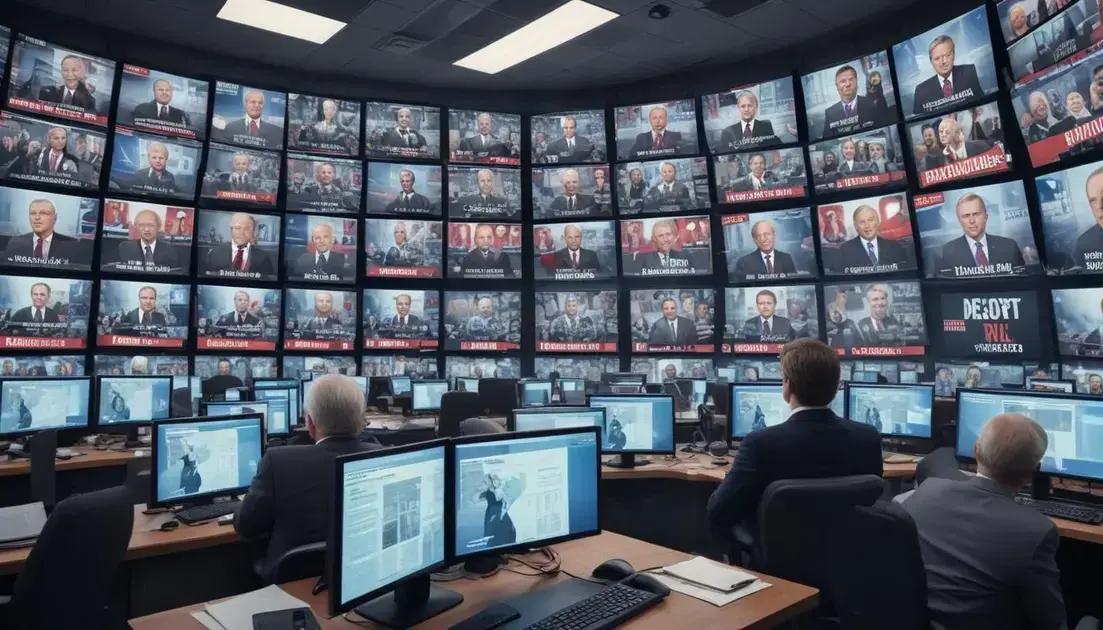
How disinformation shaped modern politics
Disinformation significantly impacts society by shaping beliefs and opinions, especially during elections. Tackling this issue requires improved media literacy, effective fact-checking, and collaboration between technology platforms and users. By educating ourselves and actively questioning the information we encounter, we can combat misleading narratives and create a more informed public, ultimately leading to a healthier information landscape.
Disinformation has woven its way into the fabric of modern politics, changing perceptions and swaying opinions faster than many realize. Have you ever wondered how far a lie can travel, and the impact it has on our society? Let’s dive in!
Introduction to disinformation
Disinformation is a major player in today’s political arena. It’s not just falsehoods; it shapes how we see the world. Ever noticed how fast rumors spread? It can be quicker than the truth! Disinformation can create confusion, change opinions, and affect elections.
People are often swayed by what they hear or see online. Social media plays a big role here. Posts can go viral, reaching millions in no time. Sometimes, we believe what we want to believe and ignore facts. That’s where disinformation gets its power.
Think about it: how many times have you shared something without checking if it’s true? When disinformation takes hold, it can lead us to mistrust others, including the media and our leaders. We need to be aware and critical of the information we consume.
It’s essential to question sources and seek the truth. Are the claims backed by facts? Who benefits from spreading this information? Disinformation might seem like a small issue, but its impact can be profound.
Being educated about what disinformation is can help us navigate today’s complex information landscape. Let’s learn to spot it and protect ourselves from its influence. Keeping an open mind and thinking critically can help us discern fact from fiction.
Historical context of disinformation
The roots of disinformation go back centuries. People have spread false info for various reasons. Often, it’s to gain power or influence others. In history, this tactic was common in wars. Governments dropped leaflets or spread rumors to confuse their enemies.
During the Cold War, propaganda became a weapon. Nations created false narratives to sway public opinion. The aim was to make their side look good and the other side look bad. This strategy worked then, just as it does today.
Even in earlier times, kings and queens used stories to control their subjects. They often manipulated facts to maintain power. This shows that disinformation has long been used to shape reality.
With the rise of the internet, disinformation spread faster than ever. Today, anyone can share info with a click. Social media platforms play a big role, allowing ideas to go viral. This creates challenges in distinguishing fact from fiction.
Today’s disinformation campaigns can be sophisticated. They often use images, videos, and fake accounts to make false claims seem real. Understanding this history helps us see how disinformation affects our lives now.
Modern implications of disinformation
Today, the impact of disinformation is huge. It affects our beliefs, opinions, and even our actions. People often trust the information they see online without questioning it. This can lead to spreading false ideas quickly.
Social media plays a major role in this. Posts can reach millions of viewers in seconds. When someone shares a misleading article, it creates a chain reaction. Soon, many people believe and act on false information.
Elections are a prime target for disinformation. False claims can mislead voters. This could change the outcome of important elections. It’s crucial for people to verify facts before they share them.
Disinformation can also cause social unrest. When people get angry based on lies, it can lead to protests or conflicts. This shows how powerful the wrong information can be.
Another issue is health information. During crises like the COVID-19 pandemic, false health advice spread rapidly. This put lives at risk and made it harder to fight the virus.
In summary, disinformation is a modern challenge. It creates division and confusion in society. By being aware and critical of what we read, we can combat its effects.
Case studies on political influence
Case studies show how disinformation impacts political influence in real ways. One famous example is the 2016 U.S. presidential election. Many people shared false claims on social media. These posts swayed voters and changed opinions.
Another case is the Brexit referendum. Misinformation played a big part in how people voted. Many believed incorrect facts about the EU, leading to misunderstandings.
In countries like Russia, the government has used disinformation to control narratives. State-run media spreads false stories to influence public opinion. This can make people less trusting of outside information.
Organizations have studied these cases to understand the effects of disinformation. They found that even small lies can spread widely and make big changes. People often share what they see without fact-checking.
These examples highlight the need for awareness. Individuals must learn to analyze information closely. As disinformation tactics evolve, being informed becomes even more important.
Possible solutions to combat disinformation
Combating disinformation requires a strong focus on education and awareness. One effective solution is media literacy. Teaching people to analyze sources helps them spot false information. Schools can play a vital role by including this in their curriculum.
Fact-checking is also crucial. Many organizations work to verify claims. Websites like Snopes and FactCheck.org help people find the truth. Using these resources can guide users in making informed decisions.
Another solution is creating reliable content. Websites and social media platforms should promote trustworthy sources. They can highlight articles from reputable news outlets, making it easier for people to find accurate info.
Community engagement is key in this fight. Encouraging discussions about disinformation can raise awareness. Holding workshops can empower people to share their knowledge and experience with others.
Lastly, social media companies need to do their part. Implementing better algorithms can limit the spread of false information. Reporting systems for misleading posts can help users take action swiftly.
Conclusion and future outlook
Disinformation is a growing threat in our digital world. Its impact is seen daily through social media and news. To combat this, it’s vital to stay informed and critical of what we read.
Looking ahead, we need stronger media literacy efforts. Schools and community organizations can teach vital skills to help people spot false claims. This way, everyone can learn to question sources and check facts.
Technology plays a role too. With AI and machine learning, we can develop tools to identify disinformation. These tools can help users browse safer online.
More collaboration is needed between platforms, fact-checkers, and users. By working together, we can create a more truthful information landscape. Engaging in conversations about trust and responsibility is important.
By focusing on education, technology, and community, we can prepare for a future where disinformation has less power.
Conclusion
In conclusion, tackling disinformation is essential for everyone today. It affects our beliefs and actions. By building media literacy skills, we empower ourselves to recognize false claims. Educating ourselves and others helps create a more informed society.
Technology can support us in identifying misleading information. AI tools can help in spotting false narratives. Collaboration between social media platforms and users also plays a key role.
As we work together, we can reduce the power of disinformation. Focusing on education, awareness, and responsibility will lead us to a more truthful future. Let’s shape a world where accurate information guides our decisions and helps our communities thrive.