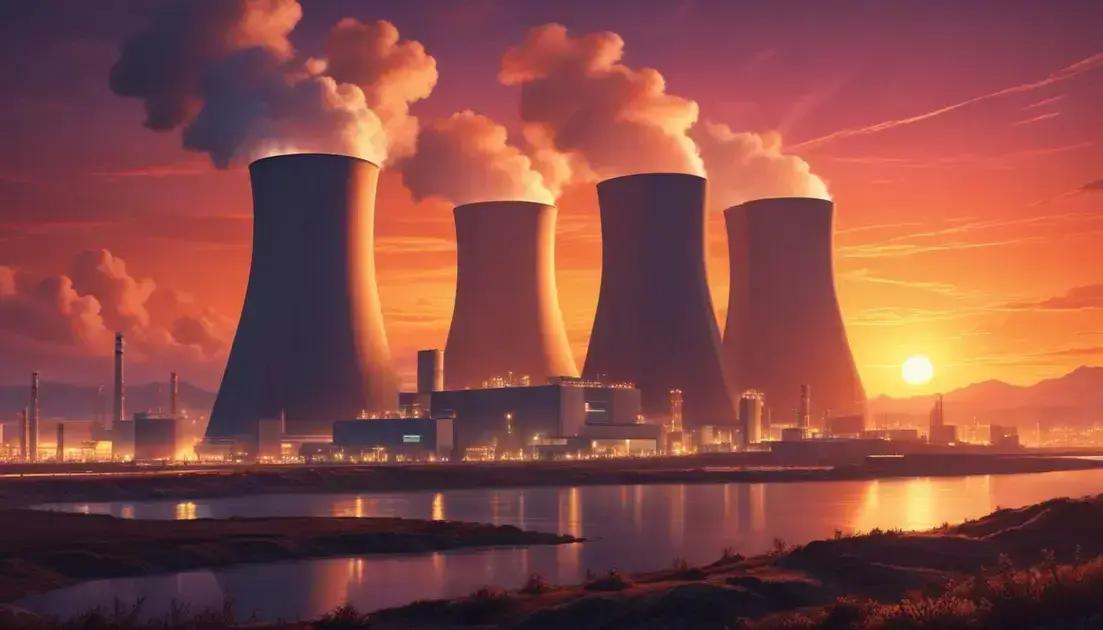
How Nuclear Energy Was Sold as Progress
Nuclear energy offers a clean and reliable power source, playing a crucial role in addressing climate change. Despite historical fears and skepticism, advancements in technology and public engagement initiatives are essential for improving public acceptance. By emphasizing safety and educating communities on the benefits, nuclear energy can become a vital part of a sustainable energy future.
Nuclear energy has undergone a fascinating transformation, evolving from a source of fear to a symbol of progress. What exactly fueled this shift? Let’s dive in and explore the intriguing world of atomic PR campaigns!
The early fears surrounding nuclear power
When nuclear power first came on the scene, it sparked a lot of fear. People worried about radiation and accidents. Events like the atomic bombings in Hiroshima and Nagasaki made many uneasy. These fears lingered even as nuclear technology improved.
News of accidents, like Three Mile Island in 1979, added to the anxiety. Many folks feared that a reactor meltdown could happen again. This alarmed communities near nuclear plants. They wanted to feel safe in their own homes.
Public Concerns
Moreover, the idea of nuclear waste raised more questions than answers. Where would all the waste go? Would it be safe? These concerns kept many from trusting nuclear energy.
As time went on, scientists and experts worked hard to address these fears. They shared data and made safety a priority. This effort was vital in changing the narrative around nuclear power.
The PR strategies used to change public perception
To change how people thought about nuclear power, companies used clever PR strategies. They knew they had to win back public trust. So, they launched campaigns to highlight the benefits of nuclear energy.
One effective strategy was showcasing nuclear as clean and efficient. They compared it to fossil fuels, emphasizing lower emissions. This simple message resonated with many. People started to see nuclear as a green option.
Engaging the Public
Another tactic involved engaging with local communities. Nuclear plants often hosted open houses. This allowed people to ask questions and see the technology up close. It helped reduce fear by making the process transparent.
Also, they shared positive stories about nuclear power. Highlighting successful projects and innovations showed the potential of this energy source. The media played a key role by covering these stories, shifting the narrative.
In addition, partnerships with environmental groups helped. These alliances demonstrated that nuclear energy could work alongside renewable options. It showed a commitment to a sustainable future.
The role of government and industry in promoting nuclear energy
The government and industry play a big role in promoting nuclear energy. They both work together to improve public understanding. One way they do this is through education and outreach programs.
Governments often invest in research and development. This funding helps create safer and more efficient nuclear technologies. When people see these advancements, they feel more confident in nuclear energy.
Incentives for Growth
Additionally, governments may offer incentives. These can include tax breaks or subsidies for nuclear plants. Such support encourages more companies to invest in nuclear power. It shows a commitment to this energy source.
Industry groups, on the other hand, help spread positive messages. They showcase success stories and highlight the safety measures in place. Working with local communities is also crucial. They share how nuclear energy creates jobs and benefits the economy.
Overall, both government and industry aim to change perceptions. Their joint efforts focus on transparency and safety. This helps people see nuclear energy as a reliable option for the future.
Comparisons to alternative energy sources
When comparing nuclear energy to alternative sources, there are key differences. One big difference is the impact on the environment. Nuclear power produces very low greenhouse gas emissions. This makes it a cleaner option than fossil fuels like coal and natural gas.
Another point is reliability. Nuclear plants can provide a steady energy supply. They operate continuously and aren’t affected by weather changes. In contrast, solar and wind energy can fluctuate. This means they can’t always deliver power when we need it most.
Cost Factors
Cost is another important factor. Building nuclear plants requires large initial investments. However, once they’re up and running, they often have lower operating costs over time. Renewable sources can be cheaper to build but might need more maintenance and storage solutions.
Public perceptions also play a role. Some folks view nuclear energy with skepticism due to safety concerns. Others see it as a necessary option for a cleaner future. Renewable sources, while generally more accepted, also face challenges like land use and resource availability.
Ultimately, both nuclear and alternative energy sources have their pros and cons. A balanced approach may be the best way to ensure a sustainable energy future.
Future prospects for nuclear energy and public acceptance
The future of nuclear energy looks promising, but public acceptance is key. Many experts see a growing role for nuclear power in a low-carbon world. As concerns about climate change rise, more people are open to nuclear as a solution.
Advancements in technology are also helping. New reactor designs are safer and more efficient. These innovations can address safety fears that have lingered for years. Publicizing these improvements is crucial for gaining trust.
Community Engagement
Communities play a big part in this journey. Nuclear facilities can engage with the public through open forums. Listening to concerns and answering questions can make a huge difference. People are more likely to support nuclear energy when they feel informed and involved.
Moreover, educational campaigns about the benefits of nuclear energy can help. Highlighting its role in reducing emissions and providing reliable power can change minds. Sharing success stories about existing plants can also boost confidence.
As the energy landscape evolves, collaboration between government, industry, and the public will be vital. Together, they can find a balanced approach that incorporates nuclear power into a sustainable energy future.
Conclusion
In conclusion, nuclear energy has the potential to play a vital role in our future. As we face challenges like climate change, it offers a clean and reliable energy source. However, public acceptance is essential for its growth. By addressing safety concerns and providing clear information, communities can build trust in nuclear power.
Through engaging conversations and educational programs, we can help people understand the benefits of nuclear energy. With advancements in technology making it safer and more efficient, the future looks bright. Collaboration among government, industry, and the public will be key in shaping a sustainable energy future that includes nuclear power.