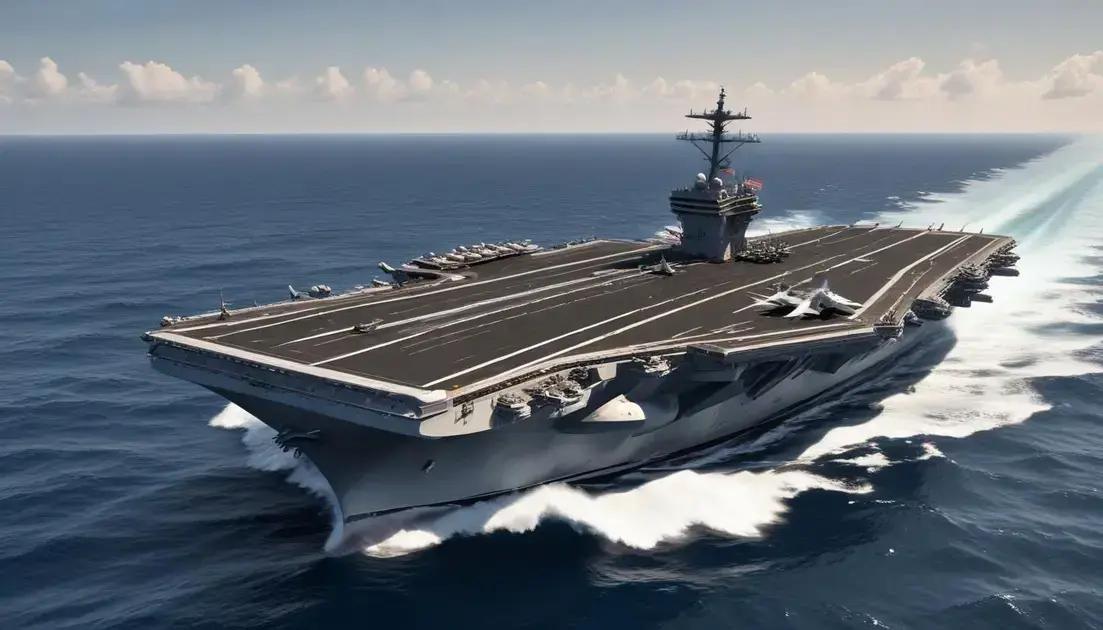
How the U.S. Navy became a global power
The U.S. Navy, a powerful maritime force, has evolved significantly throughout history, facing challenges such as budget constraints, aging ships, and new global threats. Its role in major conflicts underscores its importance in national security, while partnerships and humanitarian missions highlight its global influence. The Navy’s future lies in modernization and adapting to technological advancements, ensuring it remains capable and ready for diverse challenges worldwide.
US Navy has played a pivotal role in shaping global history, evolving from humble beginnings into a formidable maritime force. Have you ever wondered how a fleet of wooden ships transformed into cutting-edge aircraft carriers?
Introduction to the Historic U.S. Navy
The U.S. Navy has a fascinating history that dates back to the American Revolution. It started with just a few small ships and a vision. Over time, it grew stronger and played a key role in many conflicts.
In the late 1700s, the Navy was created to protect the new nation’s interests at sea. This included fighting against pirates and protecting trade routes. Each victory helped build its reputation.
By the 19th century, the Navy continued to develop, adding steam-powered ships. This innovation changed how battles could be fought. The Navy’s presence was felt during major wars, like the War of 1812 and the Civil War.
As technology advanced, so did the Navy. It moved from wooden ships to modern vessels equipped with powerful weapons and advanced technology. These ships not only protect the nation but also provide humanitarian aid when needed.
Today, the U.S. Navy is one of the most powerful naval forces in the world. Its mission goes beyond combat. It includes securing peace and providing assistance to allies around the globe.
Transformations in Naval Technology
Naval technology has changed a lot over the years. Early ships were made of wood and relied on sails. Today, we have advanced ships powered by aircraft engines and nuclear energy.
During the 19th century, steam power became popular. Ships could travel faster and didn’t have to rely on the wind. This was a big change for naval operations, allowing for quicker responses in battles.
World War II saw more dramatic changes. The introduction of aircraft carriers transformed naval warfare. These ships allowed planes to launch from the ocean, making attacks possible from afar. This innovation gave the U.S. Navy a significant advantage.
Missiles and radar technology improved significantly too. Modern naval warfare relies on advanced systems to detect enemies and coordinate attacks. These technologies work together, keeping sailors safe and improving efficiency.
Today, the Navy also explores unmanned vessels. Drones can scout areas without risking lives. This is another major step forward in technology, allowing for greater flexibility in operations.
The U.S. Navy in Major Conflicts
The U.S. Navy has played a crucial role in many major conflicts throughout history. Its presence has often been a key factor in securing victory.
During the War of 1812, the Navy faced the British. American ships proved their strength and agility against larger foes. This conflict boosted national pride and highlighted the importance of naval power.
In the Civil War, the Navy was vital for blockades and support. Ironclad ships changed the nature of sea battles. The fight between the USS Monitor and CSS Virginia marked a new era of naval warfare.
World War I saw the Navy expand significantly. It protected shipping routes and engaged German U-boats. The U.S. Navy’s contributions helped tip the balance in favor of the Allies.
World War II marked a turning point. The Navy was instrumental in key battles like Midway and the Pacific campaign. Aircraft carriers changed the game, allowing planes to launch from the sea, striking at enemies far away.
In recent conflicts, the Navy has been involved in operations across the globe. From the Gulf War to current missions, it continues to adapt and respond to new threats. The Navy’s ongoing efforts ensure maritime security and protect U.S. interests worldwide.
Global Influence and Partnerships
The U.S. Navy isn’t just powerful; it’s also a key player on the global stage. Its influence reaches far beyond American shores. Through partnerships, it helps maintain peace and security worldwide.
One way the Navy builds relationships is through joint exercises. These practices allow different countries to work together. By training together, they learn each other’s techniques and strengthen bonds.
Naval diplomacy is another important aspect. Ships visit ports in different countries to show support and friendship. These visits often lead to stronger ties and open doors for cooperation.
The Navy also participates in humanitarian missions. Whenever a disaster strikes, Navy ships and personnel often respond quickly. They provide aid and relief, showcasing America’s commitment to helping others.
Global challenges, like piracy and drug trafficking, require teamwork. The Navy collaborates with international forces to combat these threats. Working together makes the seas safer for everyone.
Through these partnerships, the U.S. Navy not only demonstrates its might but also builds trust. This cooperation benefits everyone involved and helps create a more stable world.
Current Challenges and Future of the U.S. Navy
The U.S. Navy faces several challenges today. These include budget constraints, aging equipment, and evolving threats. Each issue has a significant impact on naval operations.
Budget cuts have made it hard to maintain and upgrade the fleet. As ships and equipment age, repairs can become costly. This means the Navy must balance spending while ensuring readiness.
Emerging technologies also pose challenges. Nations like China and Russia invest heavily in advanced military capabilities. The Navy must keep up with new technology like cyber warfare and unmanned systems.
Climate change affects naval operations too. Rising sea levels and extreme weather can disrupt bases. The Navy is adapting to these changes by focusing on sustainability and resilience.
The future of the Navy involves modernization. New ships, like the Ford-class carrier, represent a significant leap forward. These vessels include advanced technology to improve combat readiness.
The Navy is also exploring new strategies. This includes shifting focus from large-scale warfare to more flexible and agile responses. This approach allows quicker and more effective action against diverse threats.
Conclusion
In conclusion, the U.S. Navy stands as a symbol of strength and innovation. Throughout its history, it has adapted to many challenges and transformed itself into a powerful global force. The Navy’s ability to respond to emerging threats and its commitment to modernization are vital for future success.
As we look ahead, understanding the challenges of budget constraints and technological advances will be important. The Navy’s focus on sustainability and strategic partnerships will help ensure its role in global security. By investing in new technologies and tactics, the U.S. Navy can continue to protect our nation and foster peace worldwide. The future is bright, and the Navy will play a key role in shaping it.