George Eastman and the Kodak Revolution
Kodak revolutionized photography by making it accessible to everyone with the launch of its first simple camera in 1888. George Eastman’s vision allowed families to easily capture their daily moments, transforming photography from a complex task into a beloved hobby. This cultural shift not only inspired countless people to document their lives but also impacted the art and media landscape, leading to the widespread use of photography in everyday life and social media today.
Have you ever wondered how Kodak changed the way we capture moments? George Eastman’s vision revolutionized photography, making it accessible to everyone and changing the world forever!
The Life of George Eastman
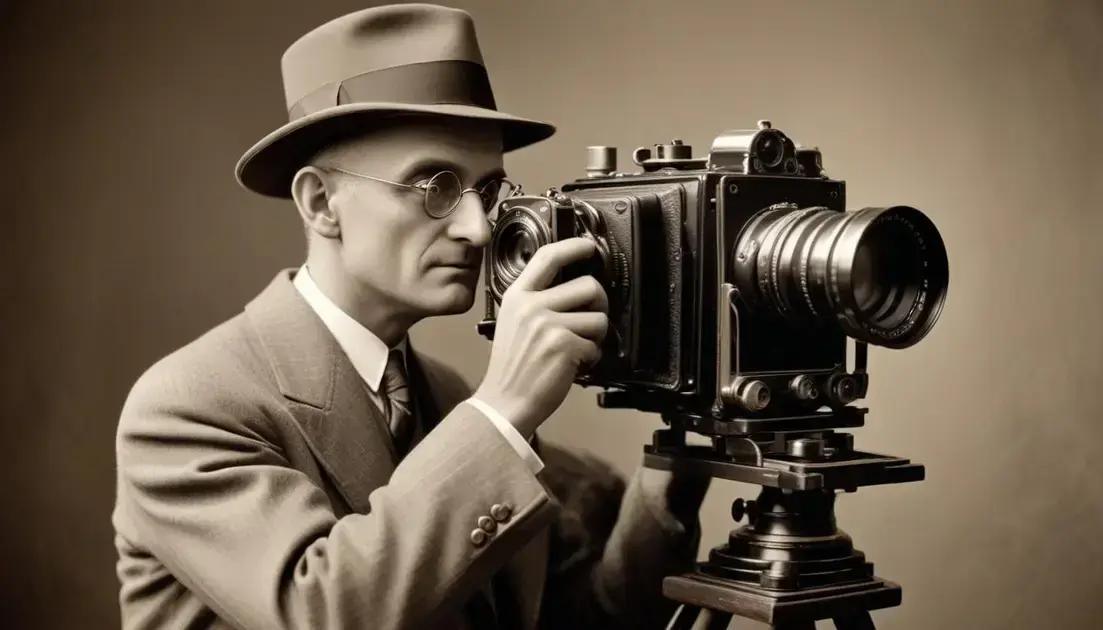
George Eastman was born in 1854 in Waterville, New York. From a young age, he wanted to change photography forever. He saw how complicated it was and thought, “There must be a better way.” This drive led him to create the Kodak camera.
Early Life and Interests
Eastman’s family didn’t have much money. His father died when he was just a kid. To help support his family, Eastman took on odd jobs, like working as an office boy. He loved photography but struggled to learn it because of the heavy glass plates used at the time.
The Birth of Kodak
In 1888, Eastman launched the first Kodak camera. It was a revolution! The slogan was simple: “You press the button; we do the rest.” This made it easy for anyone to take pictures without needing to develop film.
Impact on Photography
Eastman didn’t just change how we take pictures. He made photography a part of everyday life. Families could capture moments like birthdays and vacations without needing to understand the science behind it. This idea spread quickly, making photography widely accessible.
A Legacy to Remember
George Eastman’s influence goes beyond cameras. He also supported education and healthcare throughout his life. His passion for photography helped create a multi-billion-dollar industry. Eastman’s vision changed how we see the world, one photograph at a time.
The Birth of Kodak
The birth of Kodak in 1888 was a game changer for photography. Before Kodak, cameras were bulky and hard to use. Only professionals could handle the complex processes. George Eastman wanted to change that.
A Simple Camera for Everyone
With the first Kodak camera, taking pictures became easy. You just pressed a button. There was no need to understand the science behind it. Eastman focused on making photography accessible.
The Famous Slogan
Kodak’s slogan was brilliant: “You press the button; we do the rest.” This catchy phrase showed how simple it was to use the camera. You could take snapshots and send the film to Kodak for development.
Revolutionizing Photography
This approach changed how people saw photography. Families could now capture everyday moments. Whether it was a picnic or a birthday, snapshots became part of life.
Marketing the New Camera
Eastman marketed Kodak cleverly. He used ads showing happy families taking photos. This connected with everyday people. They saw Kodak as a way to keep their memories alive.
A Lasting Impact
The launch of Kodak inspired many other companies. It made photography popular, leading to a boom in personal cameras. Today, we still enjoy the benefits of Eastman’s vision in our smartphones and digital cameras.
Impact on Photography
The impact of Kodak on photography was huge. Before Kodak, capturing moments was hard for most people. It required expensive equipment and lots of knowledge. Kodak changed that with a simple camera.
Making Photography Accessible
Kodak made it possible for anyone to take pictures. With just a button to press, families could snap photos of their lives. This democratized photography and opened it up to everyone.
Creating Lasting Memories
People loved being able to capture their special moments. Birthdays, vacations, and everyday life could all be preserved. This made memories more tangible and enjoyable to share.
Changing the Industry Landscape
Other companies took notice of Kodak’s success. They started to create their own cameras and films. This competition pushed innovation and led to better technology for everyone.
Influence on Personal Photography
Today, Kodak’s influence can still be seen. The idea of portable photography shaped how we see the world. Now, we have smartphones that allow us to capture and share photos instantly.
A Cultural Shift
Kodak’s impact wasn’t just about technology. It changed how people interacted with images. Photography became a hobby, a passion, and a way of life for many. This cultural shift continues today, making photography integral to our lives.
The Cultural Shift in Photography
The cultural shift in photography began with Kodak’s invention. Before Kodak, photography was only for professionals. It required special skills and expensive equipment. Kodak made it easy for everyone to take pictures.
Photography Becomes a Hobby
Thanks to Kodak, photography became a popular hobby. Many families started to capture moments of their lives. This change allowed people to express themselves through photos.
Documenting Everyday Life
People began to document their daily lives. Simple moments, like family dinners and picnics, were now captured on film. This shift changed how we view the world around us.
Sharing Memories
Photography turned into a way to share memories with others. Families would create albums filled with snapshots. Friends started to exchange pictures to relive moments together.
Influence on Art and Media
The rise of amateur photographers also influenced art and media. Photography became a valid form of art. Artists used it to tell stories and express emotions, leading to new styles and movements.
The Age of Social Media
Today, photography is everywhere thanks to social media. People share their lives instantly, creating a global community. This cultural shift shows how far photography has come since Kodak’s first camera.
Conclusion
In conclusion, Kodak’s impact on photography transformed the way we capture and share moments. With the introduction of simple cameras, photography became accessible to everyone. This cultural shift allowed people to document their lives, creating memories that last.
Today, photography is not just a hobby; it’s a way for us to connect and communicate. As we share our images on social media, we continue to celebrate this art form, which started with George Eastman’s vision. Kodak paved the way for a world where everyone can be a storyteller through their lens.