The railroad that united a continent
The railroad era significantly impacted American society by transforming transportation, boosting the economy, and fostering cultural shifts. Railroads connected communities, made travel easier, and enabled faster goods distribution, which created jobs and stimulated trade. Their legacy influences modern transportation and continues to shape cultural identity through stories and local histories associated with train travel.
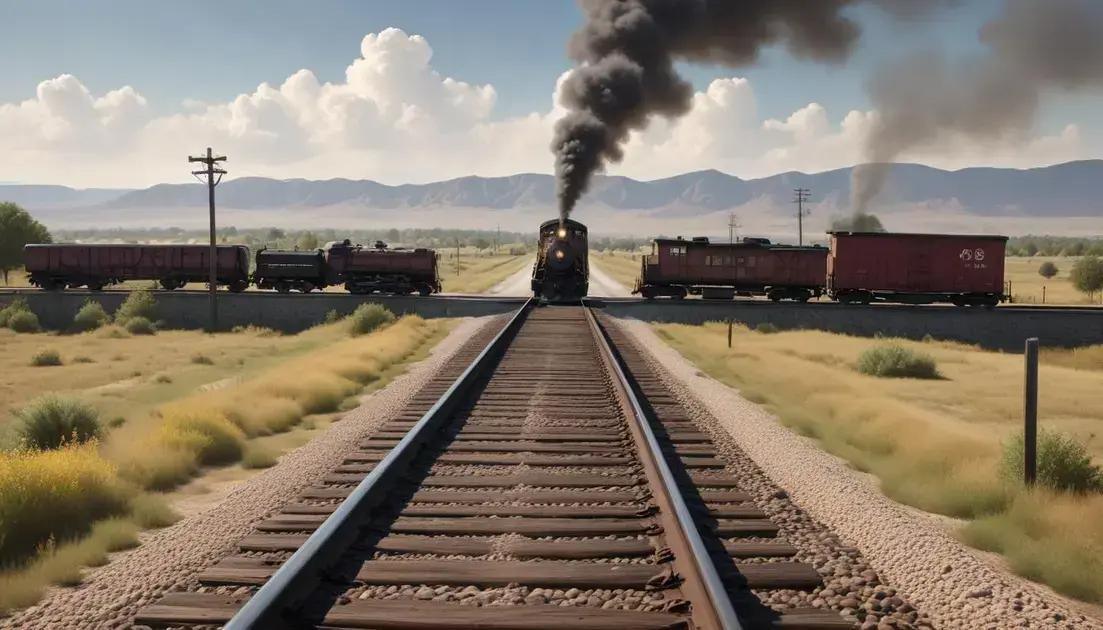
Have you ever wondered how **railroad** technology transformed a nation? From the bustling cities to the quiet landscapes, the railroad connected them all.
The importance of railroads in American history
The importance of railroads in American history cannot be overstated. They played a huge role in shaping the nation. Railroads linked big cities and small towns, making travel easier than ever. Imagine how life was before trains! People relied on horses and wagons, which took a long time for long journeys.
With the rise of railroads, goods could be moved quickly across the country. This helped the economy grow. Farmers could send their products to markets far away. Factories got raw materials faster, boosting production. Railroads created jobs too, helping many families support themselves.
Railroads also changed where people lived. Towns sprang up along the tracks. These towns became bustling communities. Many people moved west in search of land and opportunities, all thanks to trains.
Not only did railroads connect places, but they also united people. They allowed families and friends to visit easily, strengthening social ties. Events and gatherings became more common. The nation felt more connected than before.
The impact of railroads in American history is clear. They were a lifeline for many and a symbol of progress. Today, we still see the effects of this amazing invention!
How railroads changed transportation
Railroads truly changed transportation in America. Before trains, moving goods and people was slow and hard. Most travel relied on horses or wagons, which took a long time. This changed with the arrival of railroads.
Railroads made travel faster. They could carry people across the country in days instead of weeks. Families could visit each other more easily. Workers could travel to jobs in new places quickly.
In addition, railroads made shipping goods cheaper and faster. You could send food, clothes, and machines long distances. This meant farmers could sell their products in big cities. Urban areas had access to fresh goods from far away.
Trains were also safer than other methods of transport. They didn’t face many risks like rough roads. People felt more secure traveling by train.
Railroads even helped create new jobs. They needed workers to build the tracks and manage the stations. These jobs helped many families earn a living and improve their lives.
Overall, railroads changed how we travel. They opened up the country and connected communities like never before.
The economic impact of railroads on society
The economic impact of railroads on society was huge. Railroads changed how businesses operated and grew. They made transporting goods and people much cheaper and faster. This allowed farmers to sell their products in distant cities.
With railroads, factories could get raw materials quickly. This helped them produce more goods. As production increased, jobs were created in warehouses and manufacturing plants. Many people found work because of railroads.
Railroads also boosted local economies. Towns grew where the tracks were laid. Businesses like shops and restaurants opened to serve travelers and workers. Local economies thrived as more people came to these areas.
Railroads connected different regions. This meant businesses in one area could sell to others across the country. It encouraged trade and made markets bigger. Farmers and manufacturers were able to make more money.
Moreover, the growth of the railroad industry influenced other sectors. Steel and coal became essential for building and running trains. This created demand for these materials, leading to even more job opportunities.
Overall, the economic impact of railroads was significant. They changed how we worked, lived, and traded, shaping modern society.
Cultural shifts due to railroad connectivity
The cultural shifts due to railroad connectivity were profound. Railroads changed how people interacted and lived. Before trains, travel was slow and hard. With railroads, people could visit friends and family across the country easily.
New ideas and cultures spread quickly. People from different places met and shared their customs. This melting pot of cultures helped shape a unique American identity.
Railroads also played a huge role in leisure activities. Families could travel for vacations or trips easily. Popular destinations became accessible, leading to a rise in tourism. People began exploring new parts of the country.
Events and celebrations flourished as well. With easier travel, communities held fairs and gatherings. These events brought people together, creating stronger social ties.
Moreover, railroads impacted literature and art. Authors wrote stories about travel and adventure by train. Artists captured scenic landscapes seen from the train windows, showing the beauty of America.
Overall, railroads transformed cultural landscapes. They connected communities and helped shape a shared American culture that still influences us today.
Legacies of the railroad era
The legacies of the railroad era are still visible today. Railroads changed America forever, influencing many aspects of our lives. They built the foundation for our modern transportation system.
One major legacy is the way goods are moved. Trains are still an important part of shipping today. They help businesses save time and money when transporting products. The idea of connecting cities and towns remains strong.
Railroads also left a mark on our culture. Many stories and songs celebrate trains and travel. Movies depict the excitement of railroad journeys. Trains symbolize adventure and the spirit of exploration.
Infrastructure also changed because of the railroads. Many roads and highways were built along old railway lines. This network makes it easier for cars and trucks to travel. Our urban development often followed the paths of railroads.
Communities built around railroads often thrive. These towns hold rich histories that attract visitors. Museums and historical sites help people remember the railroad’s importance.
Overall, the legacy of the railroad era lives on. Its impact on transportation, culture, and communities shapes our lives today.
Conclusion
In conclusion, the impact of railroads on our society is profound and lasting. They reshaped how we travel and trade, connecting communities across the nation. Railroads not only changed transportation but also influenced our culture and economy. They opened up new opportunities for businesses and made travel easier for families.
The legacies of the railroad era are still felt today. From the way goods are shipped to the stories we tell about trains, their presence remains strong in our daily lives. By remembering this part of our history, we can appreciate how far we’ve come and the connections we share as a nation.