The electric guitar: America’s sound of rebellion
The electric guitar has played a pivotal role in transforming popular music and culture. From its invention, it became a symbol of rebellion, enabling artists to express their individuality and creativity. Iconic musicians like Jimi Hendrix and Eric Clapton have influenced sound and style, inspiring future generations. With ongoing advancements in technology, the electric guitar continues to evolve, blending genres and facilitating new forms of artistic expression. As it remains central to music culture, the electric guitar’s future is bright, ensuring its significance in the music landscape for years to come.
Electric Guitar has shaped the music industry like no other instrument. From blues to rock, it’s been the voice of rebellion. Ready to dive into its electrifying story?
The Origins of the Electric Guitar
The electric guitar has an interesting history that began in the early 1930s. It all started when musicians wanted their guitars to be louder. Before electric guitars, players would use microphones. But they needed something that would make music more powerful.
The first electric guitar was created by George Beauchamp and Adolph Rickenbacker. Their invention was a breakthrough in sound. This guitar used metal strings and pickups to capture sound vibrations. This made it easier to amplify the music.
As rock and roll emerged in the 1950s, the electric guitar became a symbol of rebellion. Musicians like Chuck Berry and Elvis Presley showcased its unique sound. Young people loved the energy it brought to music.
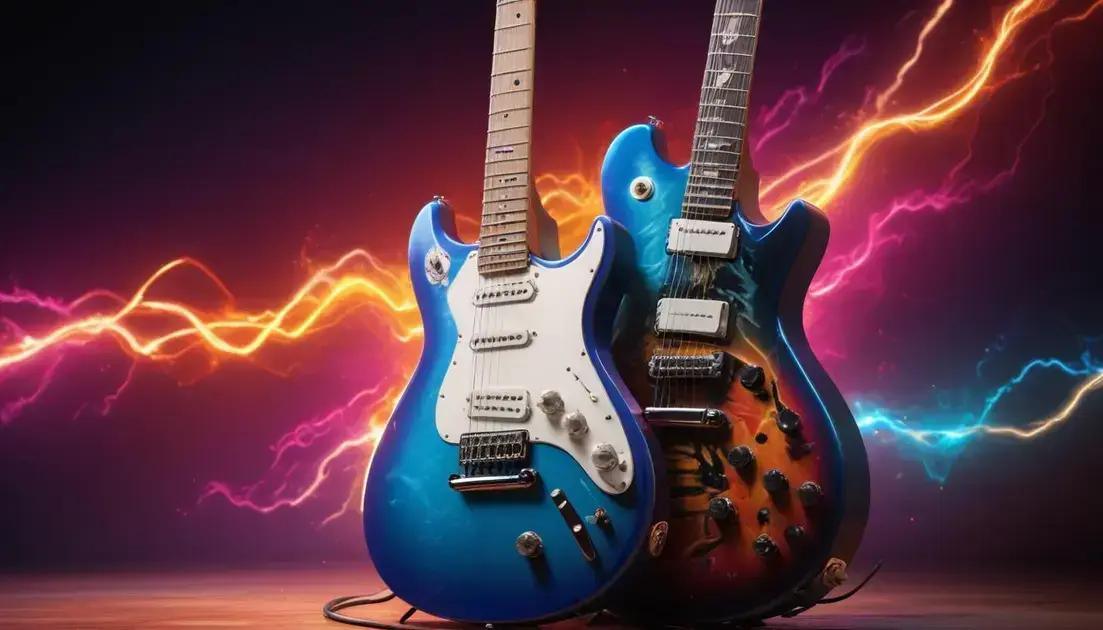
Over the years, many top musicians have shaped the electric guitar’s legacy. Models like the Fender Stratocaster and Gibson Les Paul became iconic. These guitars allowed players to express themselves in new ways.
Today, the electric guitar remains a vital part of many music genres. From rock to blues to pop, it still captures the hearts of musicians and fans alike. The journey of the electric guitar is far from over, and its influence continues to grow.
Impact on Popular Music
The electric guitar has reshaped popular music in many exciting ways. First, it brought a new sound that was loud and powerful. This sound was perfect for bands and solo artists alike.
In the 1950s, rock and roll exploded on the scene. Icons like Elvis Presley and Chuck Berry made the electric guitar famous. Their catchy tunes and energizing performances captivated audiences everywhere.
The electric guitar also changed the way musicians wrote songs. Artists began to experiment with different sounds and styles. From blues to heavy metal, the possibilities seemed endless.
As genres evolved, the electric guitar played a big role in shaping subcultures. Punk rock bands like The Ramones and New Wave artists embraced its raw power. This made music feel rebellious and fresh.
Today, the electric guitar is still a key player in popular music. Musicians continue to push boundaries, blending styles and creating new sounds. The electric guitar has become a beloved instrument that inspires countless artists.
Cultural Rebellion and Expression
The electric guitar has become a symbol of cultural rebellion and self-expression. In the 1960s, it strongly influenced the way people viewed music. Artists used it to voice their thoughts and feelings.
During this time, rock music challenged societal norms. Bands like The Beatles and The Rolling Stones introduced new ideas and styles. Their guitar riffs became a powerful way to express individuality.
Musicians also used the electric guitar to address important issues. The sound captured the spirit of change. Songs about peace, love, and freedom resonated with many. This helped create lasting cultural movements.
As punk rock emerged in the 1970s, the electric guitar took on a new role. It became louder, rawer, and more aggressive. Bands like The Sex Pistols and Ramones embraced this sound. Their music was a direct response to mainstream culture.
Today, the electric guitar remains a tool for artists everywhere. It empowers musicians to connect with their audiences. No matter the genre, it continues to drive cultural conversations.
Iconic Artists and Their Influence
Throughout music history, many iconic artists have shaped the world of the electric guitar. These musicians brought new styles and sounds that inspired generations. Their influence can still be felt today.
One of the most famous is Jimi Hendrix. He took the electric guitar to new heights. His innovative techniques and powerful performances captured the hearts of many. Hendrix redefined what a guitar could do.
Then there’s Eric Clapton, known for his emotive playing and blues influence. He combined rock and blues in a way that touched fans deeply. Clapton’s music showcases the electric guitar as a beautiful, expressive instrument.
Another legend is Jimmy Page of Led Zeppelin. His heavy riffs and creative solos helped define rock music. Page’s style influenced countless rock guitarists who followed.
Today, artists like Slash and Prince continue this legacy. They bring their unique flair to the electric guitar. These musicians keep pushing boundaries and inspiring new talent.
The impact of these iconic artists goes beyond just music. They’ve created cultures around their sounds. They show how the electric guitar can be a true voice for artist expression.
The Future of Electric Guitar Music
The future of electric guitar music looks bright and exciting. As technology advances, new sounds and styles emerge. Musicians are constantly experimenting, pushing the limits of what a guitar can do.
Digital effects and software allow artists to create unique tones. They can combine traditional sounds with modern techniques. This makes music fresh and appealing to new audiences.
More musicians are also exploring new genres. Genres like electronic and hip-hop embrace the electric guitar more than ever. Artists blend these elements to create innovative, catchy tracks.
Education is changing too. Online classes teach aspiring guitarists new skills. They can connect with others from around the world. This community helps musicians grow and learn together.
As we look ahead, collaborations between genres will continue to thrive. Expect to hear electric guitars in unexpected places, from film scores to pop songs. This versatility keeps the instrument relevant and exciting.
The electric guitar’s journey isn’t over. It will remain a key part of music culture. Each note can inspire a new generation of artists.
Conclusion
In conclusion, the electric guitar has had a lasting impact on music and culture. From its origins to its role in revolutionizing sound, it has been a powerful tool for expression and creativity. Iconic artists have shaped its legacy, inspiring countless musicians.
As we look to the future, the electric guitar will continue to evolve. New technologies and collaborations will create fresh sounds that captivate audiences. As musicians connect and learn together, they will inspire the next generation.
Ultimately, the electric guitar isn’t just an instrument; it’s a vital part of the music community. It encourages artists to find their unique voice and share their stories with the world. The journey of the electric guitar is far from over, and its influence will keep growing.
Tags: