How trains built the American West
The railroads were pivotal in shaping American society by connecting regions, boosting the economy, and fostering cultural exchanges. They facilitated faster travel and trade, leading to urban growth and job creation. Today, their legacy is evident in modern transportation infrastructure and the continuing importance of trains in logistics and commerce.
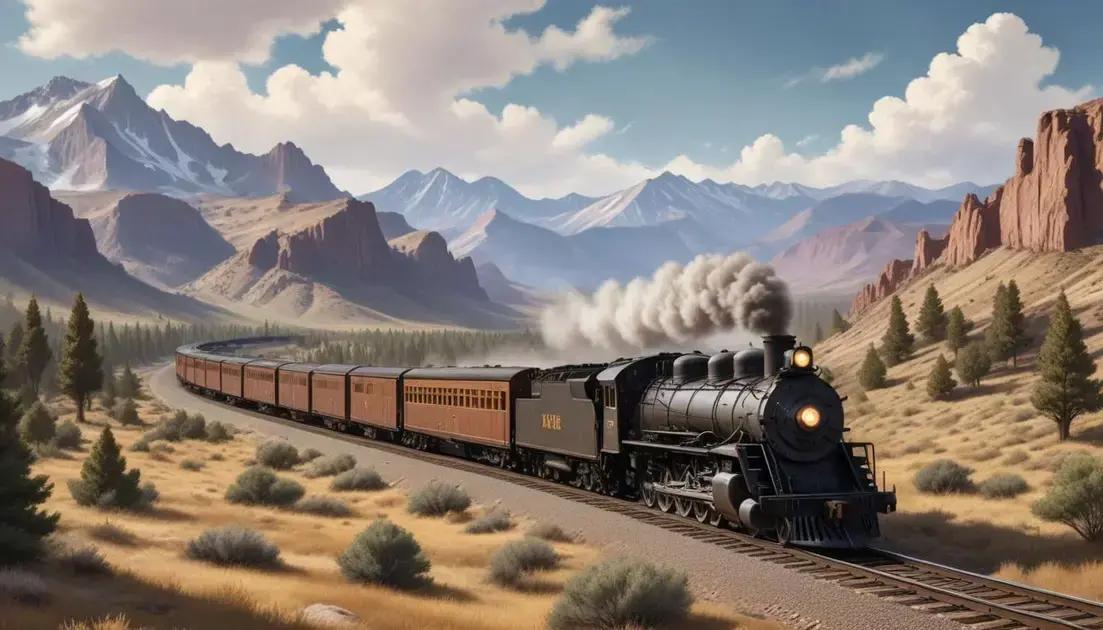
Railroads were the driving force that transformed the American West, shaping not just landscapes but entire communities. Want to learn how?
The Birth of American Railroads
The first American railroads began in the early 1800s. They were an important part of the growth of the United States. These early tracks connected cities and made travel faster and easier. People could move to new places for work and new opportunities.
The First Railroad
The first successful steam locomotive was built in 1825. It ran on the Stockton and Darlington Railway in England. Soon after, America built its own railroads, starting with the Baltimore and Ohio Railroad in 1827. This marked the beginning of a major change in transportation.
Construction Challenges
Building railroads was not easy. Workers faced tough conditions, rough terrain, and bad weather. Many people worked long hours for low pay. Despite these challenges, the railroads grew quickly. New roads were built across states and mountains.
Impact on Society
Railroads changed how people lived. They allowed goods to be transported quicker and cheaper. This led to new markets and businesses. Farming and manufacturing boomed because farmers could send crops and manufacturers could deliver products far away.
As railroads grew, towns and cities popped up along the tracks. People found jobs, and communities formed quickly. The railroads helped shape the American identity as people moved west in search of their dreams.
Connecting the Nation
As railroads spread across the country, they changed how Americans connected. Before railroads, travel was slow and hard. People relied on wagons or boats. But trains made a big difference.
Faster Travel
Trains could move people faster than horses or carriages. Passengers enjoyed comfortable rides over long distances. A trip that took days could now be done in hours. This opened the door for many to explore new areas.
Boosting Trade
With faster travel came better trade. Businesses could sell their goods in distant markets. Farmers got their crops to cities without delay. This helped local economies grow. More people bought and sold products, boosting profits.
Uniting Communities
As towns grew near train stations, communities formed. Families could visit each other easily. Events like fairs and celebrations became common. Trains made family connections stronger. It was easier to stay in touch.
Ultimately, railroads played a key role in uniting the nation. They linked the East Coast to the West Coast in a way that had never been done before. This change also brought a sense of shared identity across diverse regions.
Impact on Settlement and Economy
The arrival of railroads changed everything for settlement and the economy. New tracks opened the West to thousands of settlers. Families packed their bags and headed for new lands. They sought opportunity and adventure.
Increased Population
With railroads, towns began to pop up where there were none before. People found jobs in these new communities. They built homes, schools, and stores. A new era of growth had started.
Economic Growth
Railroads helped businesses thrive. Goods could be shipped faster and cheaper. Farmers sent crops to city markets easily. This boosted profits and made food available to more people.
Job Opportunities
As railroads expanded, they created many jobs. Workers laid tracks, built trains, and operated stations. These jobs attracted many, leading to economic stability. Cities and towns grew around the railroads, thriving on the business.
The railroads connected markets and people, sparking economic activity. This movement laid the groundwork for a booming economy. As new towns formed, communities flourished, strengthening the nation as a whole.
Cultural Changes and Innovations
Railroads brought more than just jobs and goods. They also sparked cultural changes across America. With trains, people traveled more than ever. This mixing of cultures led to exciting new ideas and innovations.
Increased Interaction
Traveling by rail made it easy for people from different backgrounds to meet. They shared stories, food, and traditions. This exchange led to a richer American culture. Unique festivals and events began to form, celebrating diversity.
Technological Innovations
Railroads pushed for new technology. Engineers created better steam engines and more efficient tracks. These innovations didn’t just help trains; they also benefited other industries. Roads, bridges, and communication systems improved as a result.
New Opportunities for Entertainment
With easier travel, people could enjoy events far from home. They attended concerts, fairs, and sports events in nearby cities. This created a vibrant entertainment culture, making life more enjoyable.
The cultural ripple effect of railroads transformed communities. People grew more connected, open-minded, and ready for change. Railroads helped shape a modern America, encouraging innovation in every corner of the nation.
The Legacy of the Railroads
The legacy of railroads is clear in America today. They changed the way we travel and do business. Even now, trains play a crucial role in transport.
Continued Importance
Trains still carry people and goods across the country, connecting cities and regions. Freight trains are vital for moving important products like coal and food.
Influence on Modern Infrastructure
Railroads set the stage for modern infrastructure. Roads, highways, and even air travel were built on the lessons learned from early railroads. Engineers learned how to design efficient routes and structures.
Cultural Impact
The cultural impact of railroads lasts today. Songs, stories, and movies celebrate trains. This shows how much they influenced American life and identity.
Railroads also paved the way for technological advancements. Areas like communication and shipping improved because of the railroad experience. The speed and efficiency we enjoy in transport today trace back to those early trains.
Conclusion
In conclusion, the railroads played a crucial role in shaping modern America. They connected people and places, driving economic growth and cultural change. Because of railroads, we have faster transportation and a stronger economy. Their influence can still be seen today, from the trains we ride to the way we trade goods.
Understanding the legacy of railroads helps us appreciate the advancements we enjoy now. They taught us about innovation and the importance of connection. As we move forward, we can learn from their history to build a better future in transportation and community.