Pony Express: the fastest mail service of its time
The Pony Express was a revolutionary mail service in the 1860s, known for its speed and bravery. It connected the East and West of the United States, delivering messages in about ten days. Despite its short operation, the Pony Express greatly influenced communication, setting new standards for mail delivery and inspiring future innovations. Its legacy continues to be celebrated as a symbol of adventure and efficient communication, showcasing the importance of staying connected in a growing nation.
Have you ever wondered how messages traveled back in the day? The Pony Express was a thrilling mail service that changed everything!
The Origins of Pony Express
The story of the Pony Express begins in 1860. It was created to fill a gap in mail delivery. At that time, the nation was expanding westward. There was a need for quick communication between the East and West.
Why It Started
Before the Pony Express, mail could take weeks to arrive. The telegraph was new, but it had its limits. Businessmen wanted faster ways to send news and goods. So, they came up with this idea.
The First Route
The Pony Express used a route that stretched from Missouri to California. This route was about 1,900 miles long! Riders would travel day and night to deliver messages. They faced many dangers along the way.
Choosing the Riders
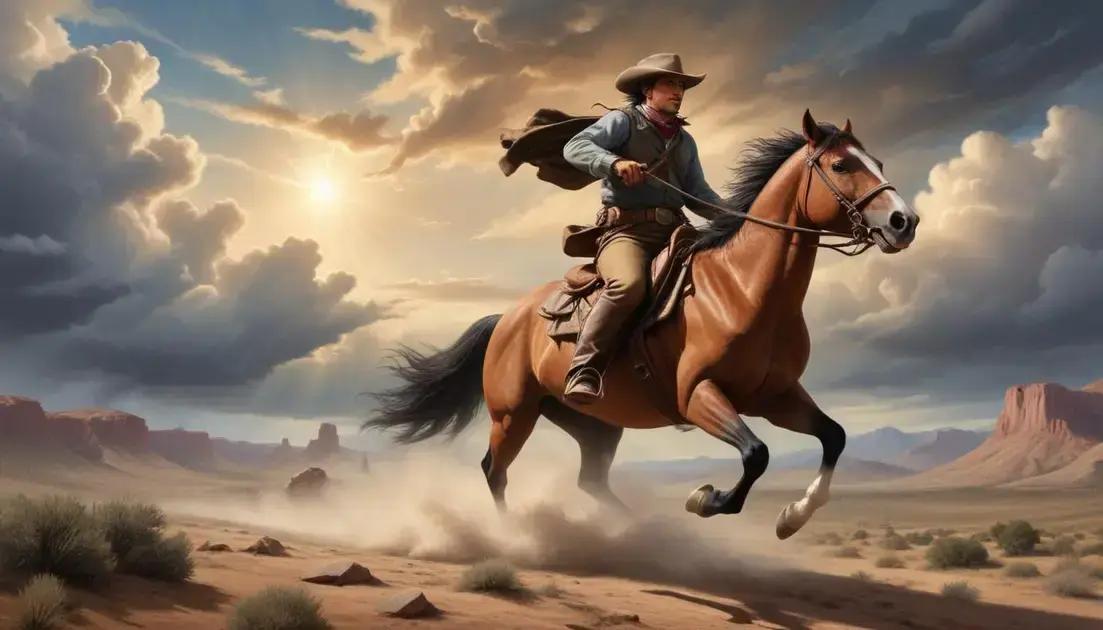
Riders had to be brave and fast. They were typically young men, often in their teens. They needed to ride hard and deliver mail quickly. Each rider carried a mochila, a type of saddlebag, filled with letters.
Success From the Start
On April 3, 1860, the first Pony Express ride started. Within just ten days, riders were delivering mail. They made headlines across the country! People were excited about this new service.
The Role of Riders
The riders of the Pony Express played a crucial role in keeping communication alive. These brave individuals were the backbone of the service. They faced many challenges to deliver mail quickly and safely.
Who Were the Riders?
The riders were mostly young men, often aged 15 to 25. Many were looking for adventure or a way to make money. They were needed to ensure that letters reached their destinations fast.
Their Responsibilities
Riders had to pick up mail at specific stations. Then, they rode their horses as fast as they could. They traveled day and night, facing harsh weather and rough terrain. Each rider knew they had a big responsibility.
Training and Skills
Riders underwent training to prepare for their tasks. They needed to be good at riding and familiar with the route. Quick decision-making was vital during their rides. Many riders were also skilled at handling their horses and keeping them healthy.
Risks Involved
Every ride came with risks. Riders faced dangers like wild animals and rough weather. They might encounter bandits looking to steal the mail. Despite the risks, riders took pride in their work.
A Special Bond
The riders also built camaraderie among themselves. They often worked with station owners and other riders. This bond created a sense of family within the Pony Express team. They were all committed to the same goal: delivering the mail.
Challenges Faced
The riders of the Pony Express faced many challenges on their journeys. These difficulties tested their courage and skills every day. Weather, terrain, and safety were constant worries.
Harsh Weather Conditions
Riders often battled extreme weather. They rode through scorching heat, heavy rain, and fierce snowstorms. These conditions made it hard to deliver mail on time.
Rough Terrain
The routes taken by riders weren’t easy. They crossed rivers, mountains, and deserts. Each landscape posed a unique challenge. Sometimes, riders could lose their way or struggle with the rugged ground.
Security Risks
Safety was a big concern. Riders might encounter wild animals like bears and wolves. Bandits also posed a threat, trying to steal the mail. Riders had to be alert and prepared for these dangers.
Physical Demands
The job was physically demanding. Riders had to endure long hours in the saddle. They needed stamina and strength to keep going. Fatigue could make their job even harder.
The Pressure to Deliver
There was a lot of pressure to make deliveries on time. People relied on the Pony Express for important messages. This pressure added stress to every ride.
Impact on Communication
The Pony Express had a huge impact on communication in the United States. It changed how people sent and received messages. This service made the world feel smaller and more connected.
Speeding Up Mail Delivery
Before the Pony Express, mail took a long time to arrive. The average delivery could take weeks. With the Pony Express, letters went from the East to the West in about ten days. This was revolutionary at the time.
Connecting People
The Pony Express helped connect families and businesses. People could send news quickly, whether it was personal or business-related. This fast communication helped the country grow and stay informed.
Boosting Business
Businesses began to thrive with quicker communication. Companies could send orders and get replies faster. The Pony Express made it easier for merchants to connect with customers across the nation.
Impact on News Reporting
News agencies benefited from the Pony Express, too. They received updates sooner and could share stories more quickly. This meant that people were better informed about important events.
Setting the Stage for Future Innovations
The success of the Pony Express paved the way for new communication methods. It showed the need for speed in delivery. This desire for quick communication eventually led to the development of the telegraph and other innovations.
Legacy of the Pony Express
The Pony Express left a lasting legacy in American history. Even though it only operated for a short time, its impact was significant. The service ended in 1861, but its story continues to inspire.
Symbol of Speed and Efficiency
The Pony Express became a symbol of fast communication. It showed that timely delivery of messages was possible. This idea influenced future mail services and communication methods.
Influencing the Mail System
After the Pony Express, the U.S. Postal Service changed. They realized the need for faster mail delivery options. Innovations followed, leading to better routes and more reliable service.
Cultural Icon
The Pony Express became more than just a mail service. It became a part of American culture and folklore. Movies, books, and songs celebrate the bravery of the riders and their adventures.
Inspiration for Future Innovations
The success and challenges of the Pony Express inspired new inventions. The speed of delivery highlighted the importance of instant communication. This led to developments like the telegraph and later, the telephone.
Lessons in Adventure and Courage
Riders embodied bravery and dedication. Their adventures pushed the limits of what was possible at that time. Today’s adventurers and explorers often look back at their stories for inspiration.
Conclusion
In conclusion, the Pony Express was more than just a mail service. It changed how people communicated across the United States. Although it operated only for a short time, its impact was significant. The speed and bravery of the riders set new standards for communication.
The legacy of the Pony Express continues to inspire innovation today. It paved the way for faster mail systems and even future technologies. Its story teaches us valuable lessons about courage, adventure, and the importance of staying connected.
As we look back on the Pony Express, we recognize the bold riders who made history. Their journeys remind us that communication is key to our world. In a way, they brought people closer together, helping to create the nation we know today.