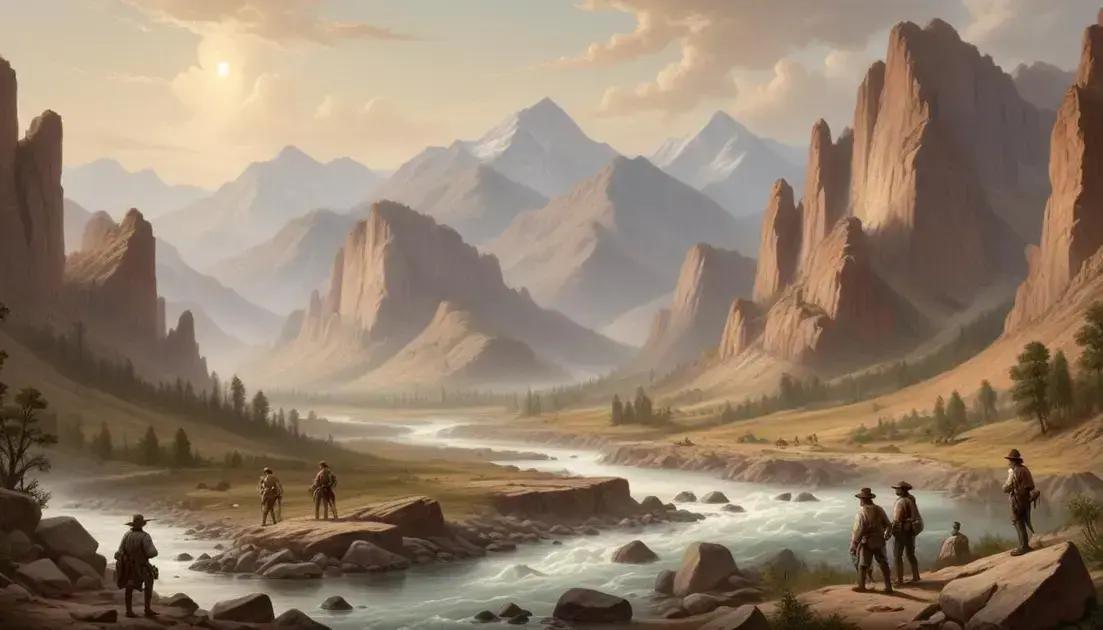
The explorers who opened the Western frontier
The legacy of western expansion profoundly shaped the United States, leading to the establishment of new communities and economies while also causing significant displacement of Native American tribes. As settlers moved west, they created a unique blend of cultures through interactions with indigenous peoples, despite the conflicts that arose over land and resources. Key events, such as the Gold Rush and the construction of railroads, drove economic growth and migration, illustrating the complex history of this era. Understanding this legacy is essential for appreciating America’s diverse heritage and the challenges faced during this transformative period.
Western frontier explorers were not just adventurers; they were the backbone of America’s expansion westward. Their narratives of courage and discovery remind us of our relentless pursuit of new frontiers.
The Journey to the West
The journey to the West was an epic adventure for many explorers. These brave men and women ventured into the unknown to chart new territories. They faced numerous challenges, including harsh weather, rough terrain, and the threat of wild animals. As they traveled, they encountered various Native American tribes, each with its own culture and traditions.
Explorers like Lewis and Clark were instrumental in mapping these uncharted lands. They documented their experiences in journals. This information helped future settlers understand the geography and natural resources available in the West.
Traveling by wagon train became a popular way for families to move westward. These trains often consisted of several families traveling together. This provided safety in numbers and a sense of community on the long trek.
Many explorers also sought treasures like gold and fertile land. Their discoveries sparked interest and excitement across the nation. This led to a massive wave of migration to the West.
The Role of Trails
Established trails like the Oregon Trail guided many settlers to new homes. Often, these trails were marked by the footprints of those who had gone before. Travelers shared stories that inspired others to make the journey.
Life on the trail was not easy. Families had to pack food, water, and tools. They learned to work together to overcome the difficult moments. Each step taken was filled with hope for a brighter future in the West.
Impact on Native American Communities
The journey to the West also had significant effects on Native American communities. As settlers moved in, many tribes faced loss of land and resources. Conflicts arose, often leading to tragic consequences.
Understanding both sides of the story is crucial. Explorers’ quest for expansion reshaped America dramatically, and it’s important to acknowledge the challenges faced by indigenous peoples during this time.
In summary, the journey to the West was more than just a physical trek. It was about dreams, challenges, and the quest for a new life. The stories of these early explorers still resonate today, laying a foundation for the America we know.
Key Figures in Exploration
Key figures in exploration made significant contributions to our understanding of new lands. Lewis and Clark are perhaps the most famous. Commissioned by President Thomas Jefferson, they led an expedition across the western United States. Their journey helped map uncharted territories and gather vital information about the land.
Other notable explorers include John C. Frémont and Zebulon Pike. Frémont mapped large parts of the West and was known for his detailed reports. Pike, on the other hand, explored the southern regions and reached what is now Colorado.
Each of these explorers faced challenges along the way. They encountered harsh weather, rough terrain, and sometimes hostility from Native American tribes. Despite these obstacles, they persevered in their quest for knowledge and new routes.
Their discoveries opened doors for settlers seeking land and opportunity. They inspired countless others to venture west and start anew. The stories of these pioneers are an essential part of American history. Each explorer left a mark, shaping the future of the nation.
Women also played a role in exploration. Figures like Sacagawea were instrumental as guides and interpreters. Her knowledge of the land and Native American cultures proved invaluable to Lewis and Clark.
As we look back, we see how these key figures in exploration contributed to our understanding of the American landscape. Their journeys continue to inspire modern adventurers today.
Impact on Settlements
The impact on settlements during the westward expansion was huge. As explorers charted new lands, settlers eagerly followed. They wanted new opportunities for land and a fresh start. Towns sprang up quickly as families moved in, looking to build a life.
Many settlements began near rivers and fertile land. These areas were crucial for farming and trade. People built farms, homes, and schools. They sought to create stable communities for their families.
Along with settlers came cultural changes. Different groups mingled, bringing their customs and traditions. Some settlers formed new towns that reflected their heritage. Others adapted to the local surroundings and the ways of Native Americans.
However, the rapid growth of settlements also led to conflicts. As more people arrived, tensions rose with Native American tribes. Land disputes became common. Settlers wanted land for farming, while tribes sought to protect their homes.
Government policies played a role in these changes. Laws like the Homestead Act encouraged more settlers to move west. This law offered free land to those willing to farm it. It drew families from all over the country.
Despite the conflicts, many communities flourished. Towns developed into vibrant places. People set up shops, schools, and churches. Work began to create a sense of belonging in their new home.
The impact on settlements from westward expansion is a key chapter in American history. It shaped the landscape we see today. These early towns and communities laid the foundation for modern America.
Cultural Exchange and Conflict
Cultural exchange and conflict were key aspects of westward expansion. As settlers moved into new territories, they interacted with Native American tribes. This led to a blending of cultures. People shared their traditions, languages, and customs.
Music, food, and stories evolved from these exchanges. Settlers learned from Native peoples how to hunt, fish, and grow crops. This knowledge helped them adapt to unfamiliar land.
However, cultural exchange didn’t always lead to harmony. Conflicts often arose over land and resources. As settlers claimed land for farming, many tribes lost their homelands. This sparked anger and resistance among Native Americans.
Wars and skirmishes occurred as settlers pushed deeper into the West. Famous battles, like the Battle of Little Bighorn, showed the fierce struggle for territory. Each side believed they had the right to the land.
Misunderstandings also fueled tensions. Language barriers made communication hard. Settlers often viewed Native American ways as strange or backward. Meanwhile, many tribes saw settlers as invaders. These differing perspectives created a cycle of conflict.
Despite the challenges, cultural exchange continued. Some settlers embraced Native American practices, blending them with their own. This mixing of cultures contributed to the diverse American identity we see today.
The legacy of cultural exchange and conflict is complex. It reminds us of the struggles and stories of both settlers and Native Americans. Understanding this history is essential to recognizing our shared heritage.
The Legacy of Western Expansion
The legacy of western expansion is both rich and complicated. It shaped the United States into the country we know today. As settlers moved westward, they created new communities and economies. This growth led to the development of cities and towns, transforming landscapes across the nation.
Cultural influences from different groups mixed together during this time. Settlers brought their customs, while Native Americans continued to share theirs. This exchange created a unique American culture. Traditions in music, art, and food reflect this blend today.
However, the legacy isn’t only positive. The expansion led to the displacement of many Native American tribes. Their lands were taken, and they faced significant hardships. Understanding these struggles is crucial to grasping the full impact of western expansion.
The discovery of resources like gold and silver also shaped the West. It spurred rapid migration and economic growth. The Gold Rush of the 1840s brought thousands to California, changing the region forever. This rush for wealth illustrated both the promise and pitfalls of expansion.
The legacy of western expansion also includes the building of railroads. These helped connect the country and facilitated trade. They allowed people and goods to move freely, enabling economic development.
Today, the stories of settlers and Native Americans remind us of our shared history. Understanding this legacy helps build a more inclusive future. By recognizing both the triumphs and tragedies, we appreciate the complexity of America’s roots.
Conclusion
In conclusion, the legacy of western expansion is a mix of growth and struggle. It reshaped America, creating new cultures and communities while also displacing Native American tribes. The stories of settlers and indigenous peoples remind us that history is complex.
As we look at this era, it’s important to recognize both the achievements and the challenges faced. From the Gold Rush to the building of railroads, western expansion brought changes that still affect us today. By understanding these aspects, we can appreciate the diverse heritage that forms our nation. Learning from the past helps us build a better future for everyone.