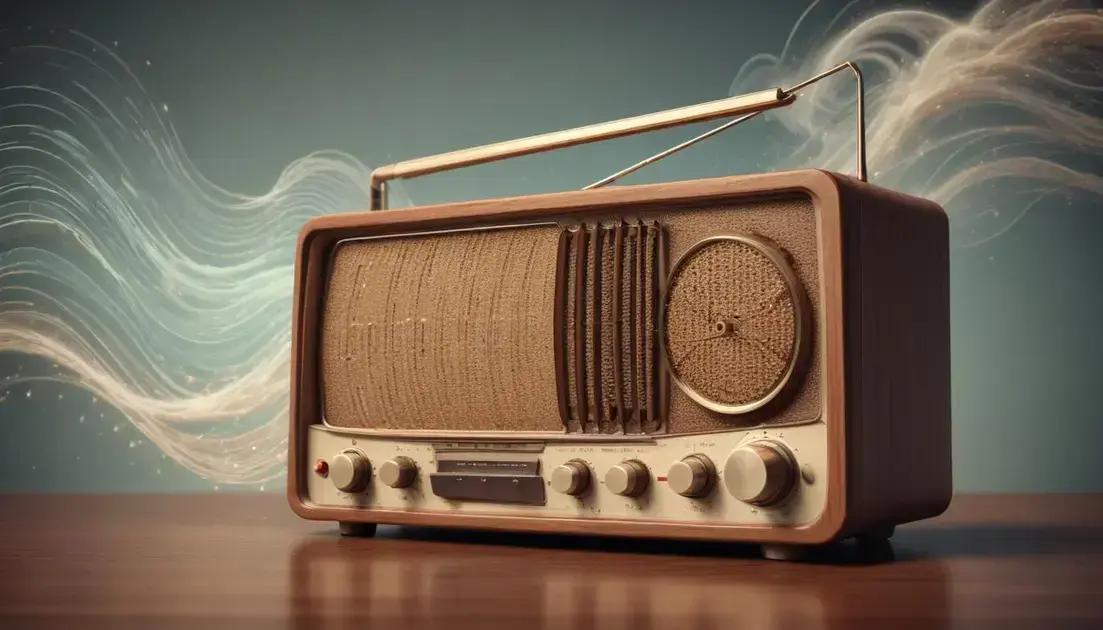
FM radio: America’s clearer connection to the world
FM Radio has significantly shaped American culture by enhancing music experiences, promoting social movements, and fostering community connections. With technological advancements, FM Radio is adapting to digital trends, including streaming and interactive content, ensuring it remains relevant and engaging for listeners. As it continues to evolve, FM Radio blends traditional broadcasting with modern innovations, securing its place as a vital source of entertainment and information.
FM Radio has played a revolutionary role in how we connect with the world. From music to news, it shapes our culture and communication. Are you ready to explore?
The History of FM Radio
The journey of FM Radio began in the early 20th century. In 1933, Edwin Armstrong invented frequency modulation. This new method improved sound quality, reducing static and interference.
FM quickly became popular because it delivered clearer audio. It also allowed more stations to broadcast without overlapping signals. By the 1960s, FM Radio transformed music listening, becoming the preferred choice for many.
Not only did FM enhance music quality, but it also changed how news and talk radio were delivered. Stations began focusing on community content and diverse programming.
As technology advanced, FM Radio embraced innovations. The introduction of stereo sound in the 1970s made listening even more enjoyable. FM radios became a common household item, often found in cars and portable devices.
The rise of the internet and digital platforms challenged FM Radio but did not eliminate its charm. Many still tune in for local news, music, and live events. FM Radio remains a significant part of American culture and communication.
Today, listeners can enjoy FM Radio through apps and online streaming as well. This shows how FM has adapted while keeping its original spirit alive.
Impact of FM Radio on American Society
The impact of FM Radio on American society has been profound. It changed how we access music, news, and entertainment. With clear sound quality, FM became a favorite for music lovers.
During the 1960s and 1970s, FM Radio brought new music genres to the forefront. Rock, pop, and jazz found a place on the airwaves. This gave rise to icons and helped shape cultural movements.
FM Radio also played a key role during significant events. People tuned in for updates during the Vietnam War and the civil rights movement. It became a tool for raising awareness and promoting social change.
Local stations built strong community ties. They provided a platform for local artists and promoted local events. This connection helped communities come together, sharing experiences and stories.
Today, FM Radio continues to influence society. It adapts to new trends but still emphasizes community and connection. Listeners enjoy diverse programming, from talk shows to live concerts. FM remains a staple in American culture, making it an enduring medium.
Technological Advancements in FM Broadcasting
Technological advancements in FM broadcasting have greatly improved how we enjoy radio. Innovations have made FM radio more reliable and enjoyable. Early on, the focus was on clearer sound quality through Frequency Modulation.
As technology evolved, so did transmission techniques. In the 1970s, stereo sound enhanced the FM experience. Listeners could now enjoy music as it was meant to be heard, with richer tones and depth.
Digital technology is the latest trend in FM broadcasting. Stations have started using Digital Audio Broadcasting (DAB). This allows for even better sound quality and more channels without interference.
FM radios now come with features like RDS, which shows song titles and artist information. This helps listeners stay informed about what they’re enjoying.
Moreover, the rise of streaming has influenced FM too. Many stations now offer online streaming. This means you can listen to your favorite local station from anywhere in the world.
FM broadcasting is continuously adapting. Whether through improved sound quality or online access, technology keeps making radio better for everyone.
Cultural Influence of FM Radio
The cultural influence of FM Radio is hard to overstate. It has shaped music trends and sparked social movements. In the 1960s, FM Radio became a vital platform for sharing new music styles like rock and folk.
As artists broke into the mainstream, FM played their songs, helping them reach wide audiences. This made FM part of the soundtrack to important cultural changes.
FM Radio also created a sense of community. Local stations often featured local artists and events. Listeners tuned in for news and music that mattered to them. This brought people together over shared interests.
Talk shows and discussions on FM Radio have highlighted social issues. The medium has given people a voice on topics like civil rights and environmentalism. This helped raise awareness and spark important conversations.
FM Radio’s influence continues today. Many find comfort in their favorite stations, which remain a source for news, music, and a sense of connection. As culture shifts, FM adapts, staying relevant and impactful.
The Future of FM Radio and Digital Media
The future of FM Radio in a digital world looks promising. With advancements in technology, FM radio continues to evolve. Many stations are now streaming online, allowing listeners to tune in from anywhere.
This digital shift has opened new doors for creativity and connection. Broadcasters can now reach audiences beyond their local areas. This means more diverse programming and options for listeners.
Interactive features are becoming popular too. Listeners can engage in real time through social media. They can share their thoughts and feelings about songs or topics discussed on air.
Moreover, FM Radio is merging with podcasts. This combination allows for more storytelling and in-depth discussions. Stations can attract and retain younger audiences who enjoy on-demand content.
Despite the competition from streaming services, FM Radio still holds a unique place. It offers connection, community, and local flavor that digital-only platforms can’t match.
As technology continues to grow, FM Radio will adapt, ensuring it remains a relevant and vital medium for years to come.
Conclusion
In conclusion, the evolution of FM Radio highlights its enduring role in our culture. As technology advances, FM Radio adapts to meet the needs of listeners. It remains a beloved medium for music, news, and local connection.
FM Radio’s future looks bright, especially with innovations in digital streaming and interactive content. These changes allow stations to reach wider audiences while keeping community ties strong. Whether through local stations or global streaming, FM Radio continues to thrive.
By embracing these advancements, FM Radio will maintain its relevance and charm. It will continue to be a source of valuable content and connection for years to come.