Barbed wire: the invention that shaped the American West
Barbed wire has significantly influenced ranching, land ownership, and American culture since its invention in the 19th century. It serves as a key tool for managing livestock, marking territory, and preventing disputes over land. This fencing method not only revolutionized farming practices but also became a symbol of the West, inspiring various forms of art and literature. Even today, barbed wire remains relevant, illustrating both modern farming techniques and its historical importance in shaping society.
Barbed wire transformed the American landscape, serving as both a physical and symbolic boundary. Its simple design played a crucial role in shaping ranching and settlement. But how did one invention change so much?
Introduction to Barbed Wire
Barbed wire changed the landscape of America in the late 19th century. Invented in 1873, it allowed farmers and ranchers to protect their land more easily. Before its invention, keeping livestock safe was tough. Animals wandered freely, often causing problems.
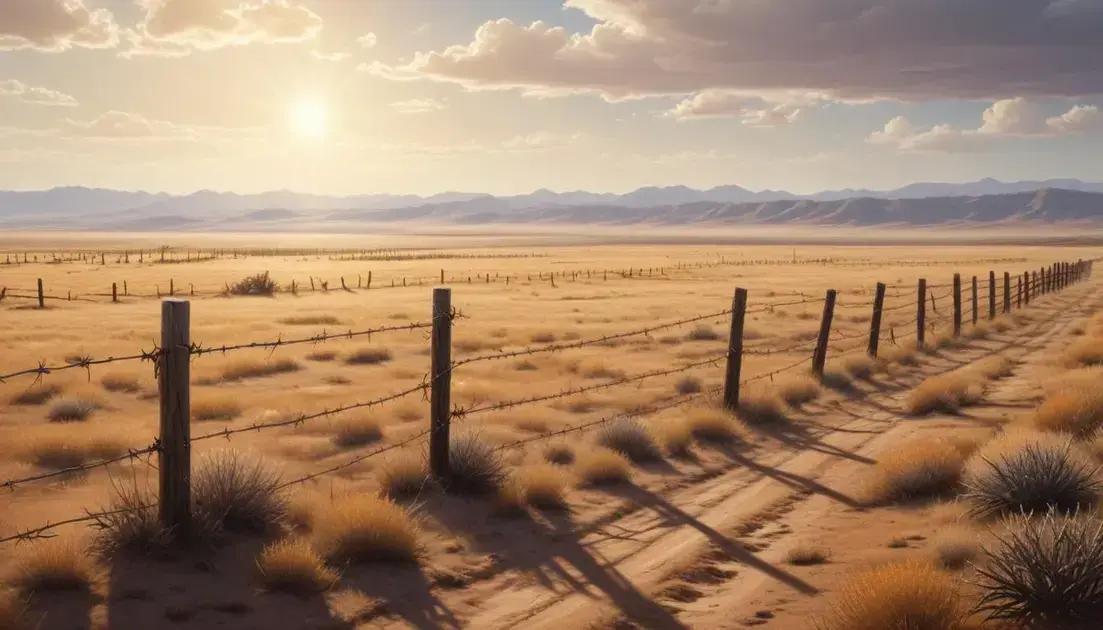
Barbed wire comes with sharp points that keep animals in. This simple idea had huge effects on ranching. As more farmers used it, open land quickly became divided. Barbed wire not only helped agriculture but also changed law and order in the West.
Barbed Wire and Ranching
The use of barbed wire in ranching meant that land could be more effectively managed. Cows and sheep stayed on their owner’s land, and crops were protected. This allowed ranchers to raise more animals and grow more food without losing it to wandering livestock.
Legal Changes
With the rise of barbed wire, new laws had to be created. There were fights over land boundaries, as neighbors debated where their property lines were. Barbed wire fences made it harder for people to see these lines, leading to disputes.
A Cultural Shift
As barbed wire became common, it also influenced culture. It became a symbol of the American West, representing new beginnings and the frontier spirit. Artists, writers, and filmmakers used barbed wire to tell stories of struggle and success.
The Role of Barbed Wire in Ranching
Barbed wire played a huge role in ranching and farming. Before its invention, managing livestock was often difficult. Cows and sheep roamed freely, which made it hard to keep them on the property. Barbed wire created a solution that changed everything.
With barbed wire, ranchers could easily fence in their livestock. This meant that animals stayed safe and away from crops. As a result, farmers could grow more food and raise more animals.
Efficiency in Herd Management
Using barbed wire made it easier to manage herds. Instead of watching animals all day, ranchers could rely on the fences. They could focus on other important farm tasks instead. This helped increase productivity, which is key for a successful ranch.
Protection from Strays
Barbed wire also helped protect ranches from strays. With proper fencing, unwanted animals could not invade the ranch. This meant better safety for crops and livestock and fewer disputes with neighbors over land.
Cattle Drives and Territorial Boundaries
During cattle drives, barbed wire became essential. It marked boundaries and kept cattle where they needed to be. As ranches grew, so did the importance of clear territory marked by fences. This helped avoid conflicts among ranchers.
Legal Implications of Barbed Wire Use
The use of barbed wire brought many legal changes. As farmers and ranchers fenced their land, disputes arose. One of the main issues was land boundaries. With barbed wire, it became harder to see where one property ended and another began.
As a result, courts had to step in and make new rules. These legal implications changed how land ownership worked and how boundaries were defined.
Boundary Disputes
When neighbors disagreed about property lines, it often led to legal battles. Barbed wire could block views of traditional markers. This confusion made it harder to settle disputes fairly. Many cases would end up in court to determine rightful ownership.
Regulations on Fencing
With the rise of barbed wire, states created rules about how to build fences. People needed to know where they could put fences and how high they should be. These regulations aimed to protect livestock and ensure fair practices among ranchers.
Liability Issues
Using barbed wire also raised liability questions. If a wandering animal got hurt on a fence, the rancher could be held responsible. Legal cases emerged around who was liable for injuries caused by barbed wire. Ranchers had to understand their responsibilities when using this fencing.
Cultural Impact of Barbed Wire
The cultural impact of barbed wire is significant. It represents more than just a tool for farming. Barbed wire became a symbol of the American West. Artists and writers often used it in their work to show themes of struggle and survival.
This simple invention shaped the way people viewed land and ownership. It transformed open spaces into defined territories.
Barbed Wire in Art
Many artists have captured barbed wire in paintings and sculptures. It evokes feelings of isolation and protection. Barbed wire also conveys the challenging life of ranchers in the West. Also, it plays a role in many historical narratives about the frontier.
Barbed Wire in Literature
Writers often mention barbed wire in stories about the West. It serves as a metaphor for boundaries, both physical and emotional. In novels, it can symbolize conflict over land and resources. This helps readers understand the harsh realities of ranch life.
Barbed Wire in Film
In movies, barbed wire appears in scenes showcasing ranching and frontier life. It marks the struggle between civilization and the wild. Such imagery helps tell the story of American history and its settlers. Filmmakers use barbed wire to illustrate conflicts between individuals and their surroundings.
Conclusion and Modern Relevance
Barbed wire continues to be relevant today. It has evolved but still serves its original purpose. Modern ranchers use stronger and more durable materials, but the concept remains the same. Barbed wire is essential for protecting livestock and marking boundaries.
While technology has advanced, barbed wire remains iconic. It signifies open spaces and the spirit of the West.
Modern Use of Barbed Wire
Today, you can find barbed wire in many places. Farms, ranches, and even construction sites use it for protection. This shows its effectiveness in controlling areas and keeping things secure. Some artists and designers still draw inspiration from its unique look.
Barbed Wire in Society
Even in our urban areas, barbed wire has a presence. It’s often seen around industrial zones and vacant properties. This brings a visual reminder of boundaries and security, reflecting its ongoing importance.
Conclusion
In summary, barbed wire has shaped the American landscape and culture in many ways. Its invention changed ranching, boundaries, and even our understanding of land ownership. Barbed wire remains a powerful symbol of the West, representing both protection and division. Even today, it serves practical purposes while reminding us of our history.
As we look at modern uses, we see that barbed wire is still relevant. It protects livestock, marks land, and carries cultural significance. By understanding its impact, we can appreciate how this simple invention has influenced our lives. Whether in art or everyday use, barbed wire continues to play an important role in our society.