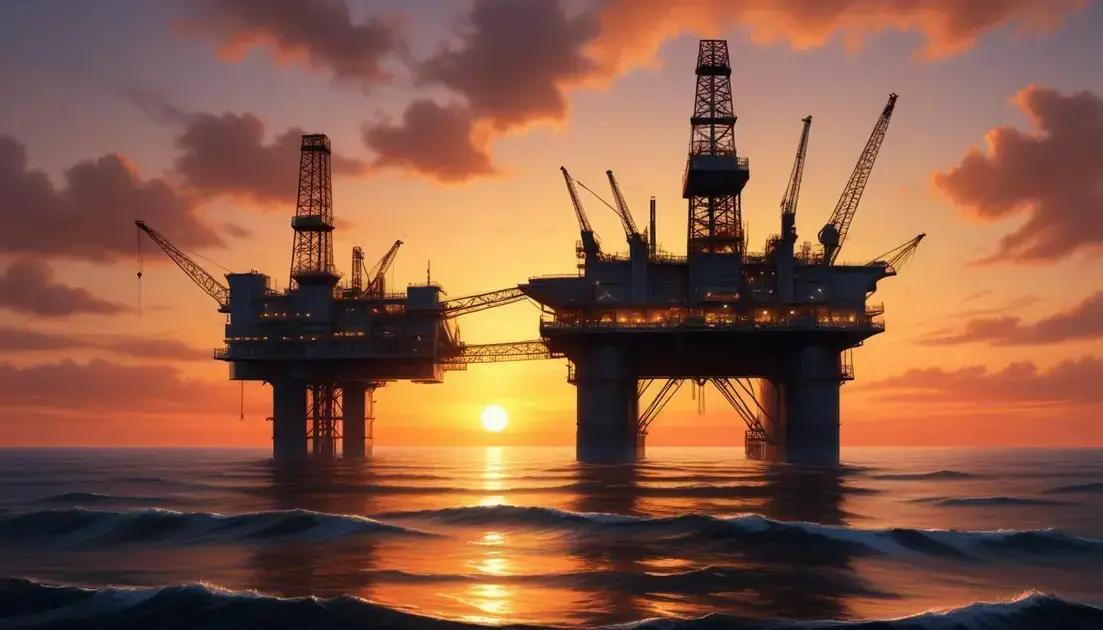
How oil shaped American power and industry
The oil boom has profoundly impacted economic growth, community development, and environmental awareness. It has shown that while oil resources can accelerate industrial expansion and create numerous jobs, they also lead to challenges such as environmental degradation and economic instability due to over-reliance on a single resource. Additionally, the boom has prompted lessons about diversifying economies and embracing technological advancements to promote sustainability. Understanding these factors is crucial for shaping the future of energy consumption and ensuring responsible resource management.
Oil has been more than just fuel; it revolutionized American power and industry. Curious how it shaped our path? Let’s dive into the details!
The impact of oil on American industry
The impact of oil on American industry has been huge. It played a key role in shaping how companies operate and grow. Oil provides energy for many processes and helps produce goods efficiently. This means cheaper prices for consumers and more sales for businesses.
Economic Growth
With oil powering industries, the economy grew quickly. Factories expanded, creating jobs for many Americans. The oil industry alone generated billions in revenue, stimulating local economies. The effects were felt across multiple sectors, from manufacturing to transportation.
Transportation Revolution
Oil transformed the way goods move around the country. Trucks and ships run on oil, making it easier to transport products. This sped up delivery times and improved supply chains. In turn, businesses can now reach more customers than ever.
Innovation and Technology
Oil has driven innovation in technology. Engineers and scientists have created new machines and tools that make work easier and faster. This has led to improved safety and productivity in many industries. For example, oil drilling techniques have evolved to minimize environmental impacts.
Challenges and Opportunities
Despite its benefits, the oil industry faces challenges. Environmental concerns over drilling and spills have grown. Companies must now invest in cleaner technologies while finding ways to stay profitable. This opens doors for new jobs in green energy sectors.
Oil’s impact is clear. It changed the American landscape and continues to influence our economy. Understanding this history helps us recognize the importance of energy in our daily lives.
Oil’s role in global politics
Oil’s role in global politics is significant and complex. Countries rich in oil often hold power in international relations. These nations can leverage their resources to gain influence and negotiate better trade deals.
Energy Security
Energy security is a big concern for many countries. Nations depend on oil for energy, which drives their economies. As a result, they seek stable relationships with oil-rich nations. Ensuring a steady oil supply helps them avoid crises.
Geopolitical Tensions
Oil can also lead to tensions between countries. Conflicts over territory and resources can arise, causing instability. This is seen in regions where oil reserves are disputed. Politicians often use oil as a bargaining chip during negotiations.
Global Trade Dynamics
Global trade dynamics shift depending on oil prices. High oil prices can strain economies, while low prices can benefit them. Countries that import oil may deal with economic challenges if prices rise. Understanding these trends helps nations plan better.
Environmental Politics
Environmental issues linked to oil extraction and consumption are critical too. As climate change becomes a priority, countries are reassessing their energy policies. This shift influences political agendas, with many pushing for cleaner energy alternatives.
In summary, oil shapes global politics in many ways. Its impact is felt in economic stability, military actions, and environmental policies. The future will likely see more changes as the world adapts to these ongoing challenges.
The evolution of energy consumption
The evolution of energy consumption has changed over time. In the past, people relied mainly on wood and coal for energy. These sources were common in homes and industries. As technology advanced, new energy sources appeared, like oil and natural gas.
Shift to Fossil Fuels
During the Industrial Revolution, fossil fuels became important. They powered factories and transportation. The availability of cheap oil encouraged growth in many sectors. It offered an efficient way to produce goods and move them around.
Rise of Renewable Energy
Now, there’s a growing focus on renewable energy. Solar, wind, and hydroelectric power are becoming popular. People are more aware of climate change and its effects. This awareness drives the shift toward cleaner energy sources that reduce emissions.
Smart Technology Impact
Smart technology plays a role in energy consumption too. Devices like smart thermostats help save energy at home. They adjust settings automatically, making homes more efficient. This tech helps people use energy wisely and lower bills.
Government Policies
Government policies also influence energy consumption. Many countries encourage the use of renewables. They provide incentives for businesses and homeowners to go green. This support makes clean energy more accessible to everyone.
As energy consumption evolves, understanding these trends is essential. Staying informed can help us make better choices for our planet and our future.
Oil and the U.S. military power
Oil has a strong connection to U.S. military power. The military needs a reliable energy source for vehicles, aircraft, and ships. Oil helps fuel these operations effectively. This dependence shapes military strategies and decisions.
Strategic Importance
Oil is vital for national security. Control over oil resources can influence military advantages. When conflicts arise, access to oil supplies becomes critical. This has led to military actions in oil-rich regions.
Logistics and Operations
Military logistics rely heavily on oil. Troops must be able to move quickly and efficiently. Having enough fuel ensures they can complete missions without delays. The importance of oil in this context cannot be overstated.
Energy Policy and Defense
The U.S. government often considers energy policy and defense together. Protecting oil interests abroad is a priority for the military. This has shaped foreign policies and alliances with oil-producing nations.
Transition to Alternative Fuels
As the world shifts to cleaner energy, the military is also exploring alternatives. The U.S. Armed Forces are looking into biofuels and other renewable sources. This transition aims to reduce dependence on fossil fuels and enhance energy security.
In summary, oil plays a crucial role in maintaining U.S. military power. From logistics to strategy, its impact is clear. Understanding this connection helps us see the bigger picture in global affairs.
Lessons from the oil boom
The oil boom taught us many important lessons. One key lesson is about economic growth. When oil was discovered, economies surged. Regions that tapped into oil wealth saw rapid development and job creation.
Impact on Communities
The oil boom transformed communities. New businesses opened, and people moved for jobs. This led to growth but also challenges, like inflation and housing shortages. Planning is crucial to manage these changes effectively.
Environmental Concerns
Another lesson involves the environment. The boom often came with environmental damage. Oil spills and air pollution became serious issues. It’s important to balance economic benefits with environmental protection.
Diversification
Diversification is vital for sustainable growth. Over-relying on oil can lead to economic instability. Regions that invested in various industries fared better during downturns. Creativity and adaptability are essential for long-term success.
Technological Advancements
The oil boom also sparked technological innovation. New drilling techniques and safety measures emerged during this time. Continuing to innovate can help industries thrive while reducing risks.
Overall, the oil boom offers lessons on growth, responsibility, and planning. Understanding these lessons helps us navigate future challenges in energy and economy.
Conclusion
In conclusion, the lessons learned from the oil boom are crucial for understanding our energy future. We’ve seen how economic growth can surge with resources like oil, but it also brings challenges. Communities change rapidly, and planning is essential to manage these shifts.
Moreover, the impact on the environment reminds us of our responsibility. Protecting nature while pursuing growth should always be a priority. Diversification of industries can help mitigate risks and create stability during changing times.
Lastly, embracing innovation is key to progress. New technologies can enhance safety and efficiency in energy production. By reflecting on these lessons, we can shape a more sustainable and balanced energy landscape for generations to come.