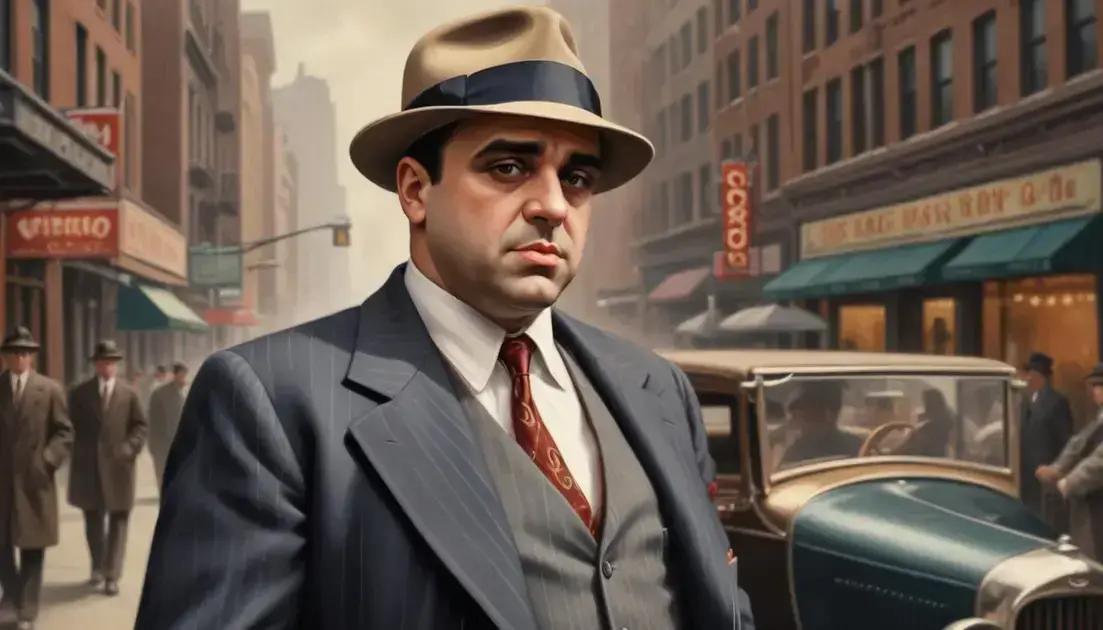
The heroes who rebuilt Chicago from ashes
The Great Fire of 1871 reshaped Chicago, leading to significant architectural innovations and strengthened community resilience. Key lessons emerged about building codes, emergency response planning, and the importance of community involvement in recovery efforts. This tragedy turned into an opportunity for a safer, more modern city, influencing urban planning and design today.
Chicago Rebuild: Imagine a city rising from its ashes, filled with dreams and determination. Join us as we explore the incredible stories of those who dared to rebuild Chicago.
The Great Fire of 1871
The Great Fire of 1871 was a devastating event that changed Chicago forever. It started on a dry night in October. A barn owned by the O’Leary family caught fire. The flames spread quickly, fueled by strong winds and wooden buildings.
Within hours, much of the city was in ruins. About 300 people lost their lives, and more than 100,000 were left homeless. As people fled, they took what little they could carry. The scene was chaotic and tragic.
Impact on the City
This fire destroyed a large part of Chicago. But it also brought resilience and strength to the community. People came together to help each other. Neighbors shared food and shelter. This spirit of cooperation became a vital part of Chicago’s identity.
Building Back Better
After the fire, city leaders saw a chance to rebuild. They wanted to create a modern city. New building codes were put in place. The plan was for safer buildings made of stone and brick instead of wood. This made the city less vulnerable to future fires.
The rebuilding also gave space for new ideas. Architects from around the world flocked to Chicago, designing amazing structures. This laid the groundwork for the architectural boom that would follow.
Overall, the Great Fire was a tragic event. Yet, from its ashes, Chicago rose stronger and more innovative.
Community Resilience and Response
After the Great Fire of 1871, the people of Chicago showed amazing strength. They faced a terrible disaster together. Many lost everything, but they didn’t give up. Instead, they worked hard to help each other rebuild.
Neighbors shared what they had, whether it was food or shelter. It was a time when everyone came together. Everyone knew they were in this fight as a community. This caring attitude made a big difference.
Local Groups Step Up
Groups formed to support those in need. Charity events helped raise money for victims. Local businesses donated supplies, while volunteers offered their time. These efforts showed Chicago’s spirit and hope.
Building a New Future
As the city rebuilt, the people still supported each other. They wanted a safer, better city. So, they voice their ideas about what should change. Community meetings became common. It was a way for everyone to share thoughts and hopes.
With their hard work and determination, they didn’t just rebuild homes. They rebuilt lives and a stronger community. This resilience helped shape Chicago’s future.
Architectural Innovations Post-Fire
After the Great Fire of 1871, Chicago saw many exciting changes in its buildings. The fire showed how important it was to build safely. As a result, new ideas took root. Architects stopped using mostly wood and instead used stronger materials like brick and stone.
The Birth of Skyscrapers
One of the biggest changes was the rise of skyscrapers. These tall buildings changed Chicago’s skyline. They allowed for more space in the city and changed how people lived and worked. The first skyscraper was built soon after the fire, marking a new era in architecture.
Design and Safety Features
Designers also focused on safety. They included more fire-resistant materials and better escape routes. Buildings had wider staircases and safer exits. These features made people feel safer in case of another emergency.
Influence of Famous Architects
Architects like Louis Sullivan and Daniel Burnham became popular in Chicago. They introduced ideas like functional design. This way, buildings could serve their purpose while also looking great. Their work inspired many more architects around the world.
In the end, the fire led to not just rebuilding, but also to a new architectural vision for Chicago.
The Role of Leaders in Reconstruction
During the reconstruction of Chicago after the fire, strong leaders played a key role. They guided the city through tough times. Their vision helped shape a new and improved Chicago.
Community Leaders Stepping Up
Local leaders quickly organized recovery efforts. They rallied support from residents and businesses. These leaders built a sense of trust and unity. They showed that everyone could work together to solve problems.
Government Involvement
City officials also stepped in to help. They established regulations to ensure safe rebuilding. This included new building codes to prevent future disasters. Their actions laid the foundation for a modern city.
Architectural Visionaries
Renowned architects were key players in reconstruction too. They designed buildings that were not just safe but also beautiful. Their innovative designs changed Chicago’s landscape. They created a legacy that would last for generations.
Overall, the leaders’ efforts made a real difference. They helped turn a tragic event into an opportunity for growth and transformation.
Lessons Learned for Modern Cities
The Great Fire of 1871 taught important lessons that modern cities still remember. It showed how crucial it is to have safety measures in place. Many changes came from this disaster, making cities more resilient.
Building Codes Matter
One of the key lessons was about building codes. Cities learned that strict building regulations are essential. These rules help ensure that buildings are safer and can withstand disasters.
Emergency Response Planning
Another important lesson was the need for strong emergency plans. Cities now focus on preparing for disasters ahead of time. Training first responders and having clear evacuation routes are crucial for saving lives.
Community Involvement
The role of community involvement also became clear. When people work together, they can recover faster. Engaged communities can support each other during crises, which builds a feeling of unity.
Finally, innovative design and planning became a focus. Modern architecture often considers safety and functionality. These lessons from the past help make our cities better for the future.
Conclusion
In conclusion, the Great Fire of 1871 taught us valuable lessons about resilience and innovation. Today’s cities benefit from the building codes, emergency response planning, and community involvement established after the fire. These changes have helped create safer and stronger urban areas.
By learning from past disasters, we can build cities that are not only beautiful but also prepared for emergencies. The spirit of cooperation and creativity can inspire future generations. Ultimately, it’s about making our communities better for everyone, ensuring safety, and encouraging collaboration.