Hollywood: How America Invented the Movie Industry
The modern film industry faces several challenges, including tight budgets, high competition, and the need for diverse representation. Filmmakers must adapt to changing audience expectations while navigating the influence of new technologies and distribution methods. By embracing creativity and innovative storytelling, filmmakers can overcome these hurdles and continue to evolve within a rapidly shifting landscape.
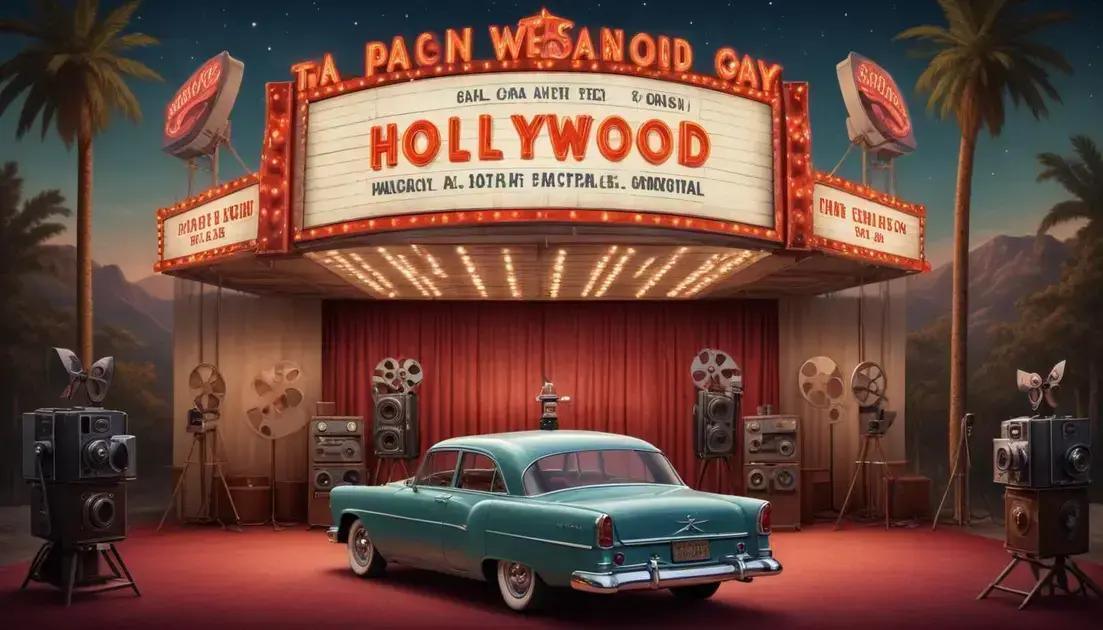
Hollywood is more than a place; it’s a phenomenon that transformed entertainment and storytelling, capturing the aspirations of countless dreamers. Want to know how America crafted this iconic industry? Let’s dive in!
The Birth of Hollywood: A Brief History
The story of Hollywood starts in the early 1900s when it was just a small farming community. It was a quiet place until filmmakers began to discover its charm. With perfect weather and beautiful scenery, this area quickly attracted many movie makers.
In 1910, Hollywood officially became part of Los Angeles. The location was ideal, offering varied landscapes and a supportive environment for filmmaking. Soon, studios began to pop up, and Hollywood became the heart of the film industry.
Silent Films and Star Power
The silent film era was a game-changer. In the 1920s, stars like Charlie Chaplin and Mary Pickford captured the hearts of audiences. Movies were simple but magical. They needed no dialogue to tell their stories.
As technology advanced, sound in films improved. The first talking picture, “The Jazz Singer,” debuted in 1927. This change transformed Hollywood, leading to the rise of new talents and iconic films.
Growth and Influence
By the 1930s, Hollywood was a major player in entertainment worldwide. It created the studios we still know today, like Warner Bros and MGM. These studios brought together writers, directors, and actors to make unforgettable films.
This period saw the birth of iconic genres, like musicals and film noir. Audiences were hooked, and Hollywood’s influence spread beyond the United States. It became a cultural phenomenon, shaping the way stories were told on screen.
Key Figures in the Development of Cinema
Many key figures shaped the development of cinema, making it what it is today. These pioneers were filmmakers, actors, and inventors who made huge contributions.
Thomas Edison is one of the first names in film history. He created the Kinetoscope in 1891. This gadget let people watch moving pictures. Edison’s work sparked interest in film, paving the way for others.
Georges Méliès was another brilliant mind. He brought imagination to film with his storytelling. His famous movie, “A Trip to the Moon,” featured special effects and imaginative scenes. It showed people that movies could be more than just recordings of life.
Birth of Hollywood would not be complete without stars like Charlie Chaplin. He became famous for his charming silent films. Chaplin used humor to tell powerful stories, connecting deeply with audiences.
Women also made their mark in cinema. Mary Pickford was a major star and a businesswoman. She co-founded United Artists, giving voice to filmmakers and actors.
D.W. Griffith is known for his film “The Birth of a Nation.” While controversial, it introduced innovative techniques like close-ups and editing styles that filmmakers still use today.
These figures and many more helped mold cinema. Their creativity and passion for storytelling laid the groundwork for an industry that now entertains millions around the globe.
Cinematic Innovations and Their Impact
Cinema has come a long way thanks to many innovations. These changes have shaped the way we view movies today. One of the first big changes was the switch from silent films to sound. This change happened in the late 1920s, with movies like “The Jazz Singer” leading the way.
With sound, filmmakers could add music and voices. This made stories more engaging and emotional. Audiences could connect with characters in a new way. Sounds added depth to the experience, drawing in viewers more intensely.
Color films became popular in the 1930s as well. Before this time, movies were mostly in black and white. The first feature film in color was “The Toll of the Sea” from 1922. It opened up a whole new world of storytelling. Vibrant colors helped depict emotions and settings much better.
In the 1950s, widescreen formats changed the viewing experience again. Movies like “Ben-Hur” used a wider screen to show more detail and action. This immersive feel made viewers feel like they were part of the story.
Another huge jump happened with special effects. Artists pushed the limits of creativity. Films like “Star Wars” amazed audiences with groundbreaking effects. These innovations made it possible to create entire worlds and characters that were not possible before.
Today, digital technology has transformed the way films are made and enjoyed. Visual effects can now be created on computers, making things even more realistic. Streaming platforms have also changed how people watch movies, making them accessible anytime and anywhere.
These innovations always focus on two things: telling better stories and enhancing the viewing experience. They create ways to connect deeper with audiences, making cinema an evolving art form.
The Global Influence of Hollywood
The influence of Hollywood stretches far beyond the United States. It has impacted cultures and audiences worldwide. Hollywood movies reach millions, shaping ideas of entertainment around the globe.
Entertainment Styles have changed significantly due to Hollywood. Filmmakers everywhere often follow its trends in storytelling, visuals, and style. Genres like action, romance, and comedy have become popular worldwide.
Hollywood also sets the standard for production quality. Many countries aspire to match its high-budget films. This desire for quality helps improve local film industries. Countries like India, South Korea, and Nigeria have developed their own cinematic styles while adopting Hollywood techniques.
Pop Culture is another area where Hollywood’s impact shines. Iconic characters from movies become symbols in fashion, music, and art. For example, superheroes from the Marvel universe have created a massive following globally. They influence everything from toys to costumes, creating a strong cultural connection.
Actors and directors from Hollywood often become international stars. People recognize their faces everywhere. This star power can help bring attention to important social issues. Many Hollywood celebrities use their platforms to promote education, human rights, and environmental causes.
Global Box Office revenues indicate Hollywood’s reach. Films like “Avengers: Endgame” or “Titanic” grossed billions worldwide. This money fuels more productions, leading to even larger global releases.
Despite its popularity, Hollywood faces challenges. Some criticize it for overshadowing local stories. However, many filmmakers now blend Hollywood’s approach with their cultural narratives. This fusion creates richer and more diverse cinema.
Challenges Facing Modern Filmmaking
Modern filmmaking is exciting, but it also comes with many challenges. One big issue is budget constraints. Movies can cost millions of dollars to make. If a movie doesn’t succeed, it can lead to financial loss for everyone involved.
Competition is another challenge. There are many films released each year. With streaming services and independent films, audiences have more choices than ever. This makes it harder for new films to stand out.
Filmmakers also deal with target audience expectations. Viewers often want new and original stories. Balancing creative ideas with what audiences want can be tough. Sometimes, filmmakers stick to formulas that guarantee success, which can also limit creativity.
Technology advancements bring both opportunities and challenges. While new tools can improve filmmaking, they also require skills to use properly. Filmmakers must stay updated with the latest technology to keep up with industry trends.
Additionally, there are issues related to diversity and representation in films. Audiences seek more varied stories from different cultures and perspectives. Filmmakers must be aware of these needs and work towards inclusion.
Distribution challenges can also affect a film’s success. Even with a great movie, getting it into theaters or onto streaming platforms can be tough. Limited distribution options can mean fewer viewers.
Lastly, the impact of a global pandemic has changed how films are produced and released. Health guidelines can disrupt filming schedules and audience attendance in theaters.
These challenges shape modern filmmaking. Creativity and resilience are key for filmmakers to thrive in this evolving industry.
Conclusion
In summary, the film industry faces many challenges today. From budget limitations to fierce competition, filmmakers must navigate a complex landscape. However, creativity and innovation remain at the core of filmmaking. By embracing new technologies and listening to audience needs, filmmakers can produce compelling stories that resonate.
Diversity and representation are crucial as well. Audiences want to see varied perspectives reflected on screen. Addressing these needs can create a richer cinematic experience. Despite the hurdles, the passion for storytelling drives filmmakers to find solutions and continue to evolve.
As we move forward, it’s important for filmmakers to adapt and grow within this changing environment. The challenges may be significant, but they also open doors to new opportunities. With resilience and creativity, modern filmmaking will thrive.