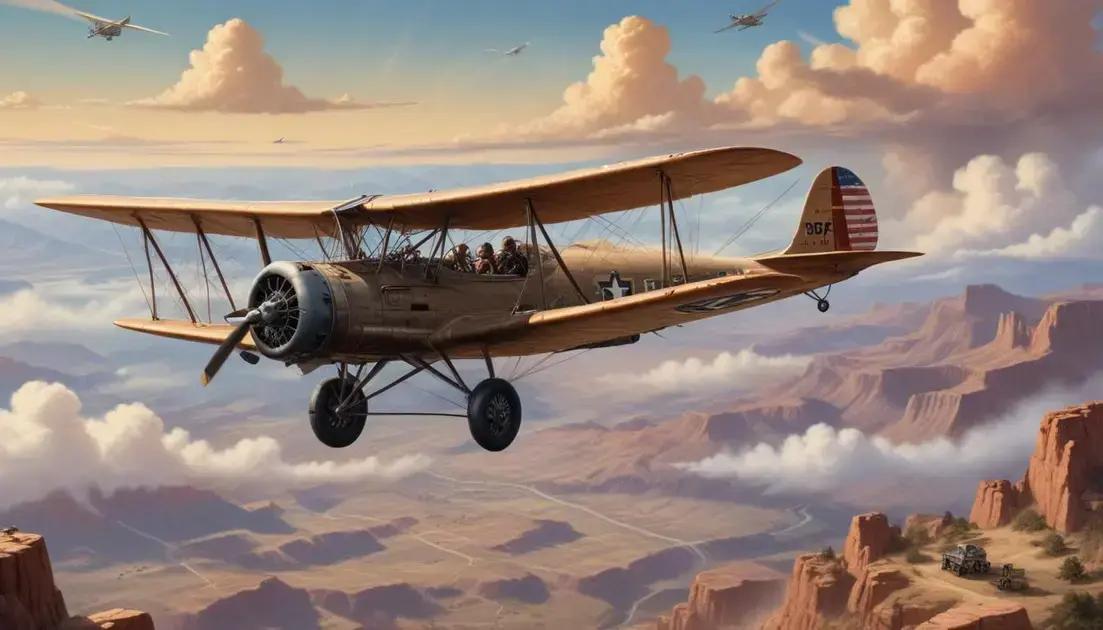
The first transcontinental flight in U.S. history
The first transcontinental flight marked a significant milestone in aviation history, demonstrating the feasibility of long-distance air travel. Piloted by Calbraith Perry Rogers, this historic journey in 1919 transformed perceptions of distance, connecting cities like never before. The flight faced challenges such as unpredictable weather and mechanical issues, yet it inspired future advancements in the aviation industry. As air travel became more accessible, it fostered greater social and economic connections across the nation, forever changing how people traversed vast distances.
The first transcontinental flight in U.S. history was not just a flight; it was a bold statement. Imagine soaring through the skies, connecting vast landscapes in a way previously unimaginable! Let’s dive into how this flight redefined the very concept of distance.
Introduction to the historical significance
The first transcontinental flight was a remarkable event in American history. It changed how people viewed distance and travel. Before this flight, crossing the country took days by train or weeks by wagon. But flying made it faster and easier.
Understanding the Flight is vital. It took off from New York and landed in California. This journey showed the potential of air travel. It also sparked interest in aviation, inspiring others to dream big.
Many challenges faced the flight crew. They had to navigate weather changes and technical issues. Their determination made this flight a success. This not only set records but also encouraged more exploration.
Air travel soon changed lives. Families could reunite quicker, and businesses grew beyond local markets. This flight opened doors to new opportunities. People realized they could visit far-away places in just a few hours.
Today, we celebrate this event as a turning point. It’s a reminder of human ingenuity and the desire to explore. The spirit of adventure lives on in every traveler flying around the world.
Details of the flight
The first transcontinental flight started on June 17, 1919. This historic trip flew from New York to San Francisco. The flight lasted about 48 hours and involved multiple stops along the way.
Pilots Calbraith Perry Rogers and his co-pilot, made several landings to refuel and check their aircraft. They flew a Vin Fiz plane, which was a fragile but innovative design for its time.
Throughout the journey, they faced many challenges. Bad weather often delayed their flights. Sometimes, strong winds and fog made navigation tough. Yet, their determination kept them going.
The team made stops in cities like Chicago and St. Louis. These stops helped them gather supplies and connect with people. Many locals came out to cheer them on, eager to witness history in the making.
This flight was more than just flying. It was a test of perseverance. The pilots and crew showed the world what was possible with aviation. Their effort inspired future generations of pilots and aviation enthusiasts.
Challenges faced during the journey
Throughout the flight, the crew faced various challenges. One major issue was the weather. From storms to strong winds, every day brought new surprises.
Pilot Calbraith Perry Rogers also dealt with mechanical problems. The Vin Fiz had parts that were delicate. Sometimes, they had to make emergency landings to fix issues.
Navigating across the country was tough, too. Maps weren’t accurate, and flying was still new. They often had to rely on the sun and landmarks for direction.
Finding fuel and food during the trip posed another challenge. They had to plan each stop carefully. Sometimes, they arrived at towns where supplies were low.
Despite these obstacles, the determination of the pilots shined through. They inspired many by pushing forward. Each challenge became a part of this incredible journey.
Impact on aviation and society
The first transcontinental flight had a huge impact on aviation. It changed how people thought about flying. Suddenly, air travel seemed possible for everyone, not just a few.
This flight inspired many inventors and pilots. They started to see the potential of aviation. New aircraft designs emerged, each aiming to improve safety and speed.
Airlines began to form as demand for flights grew. People wanted to travel far and see new places. This was the start of a new industry that created jobs and boosted economies.
Travel became easier and faster. Families could visit loved ones across the country. Businesses could expand beyond their local markets. All of this helped bring people closer together.
Additionally, this flight sparked interest in aviation events. Air shows and exhibitions began to attract crowds. Aviation became a symbol of progress and adventure in society.
Conclusion
The first transcontinental flight opened many doors for aviation. It showed the world that air travel was not just a dream. This journey inspired advancements that changed how we travel today.
As more people embraced flying, the aviation industry kept growing. Many learned about the freedom and excitement that comes with flight. Soon, airplanes connected cities and people like never before.
It’s clear that this milestone shaped our society. The impact of that flight is still felt today. We can now travel anywhere in the world, often in just hours.
The spirit of adventure lives on. Every time a plane takes off, it carries the legacy of that first flight. It reminds us to dream big and reach for the skies.
Conclusion
In conclusion, the first transcontinental flight changed everything for aviation and society. It showed us that flying across the country could be a reality for everyone. This journey sparked a huge interest in air travel and made it more accessible.
As air travel grew, it brought families closer together and opened new business opportunities. Today, we can travel faster and farther than ever before. The spirit of adventure that began with that flight still inspires us all.
Every time we board a plane, we remember the brave pilots who dreamed big and took risks. Their journey laid the foundation for modern aviation and continues to shape our world. The sky is truly the limit when we dare to dream.
Tags: