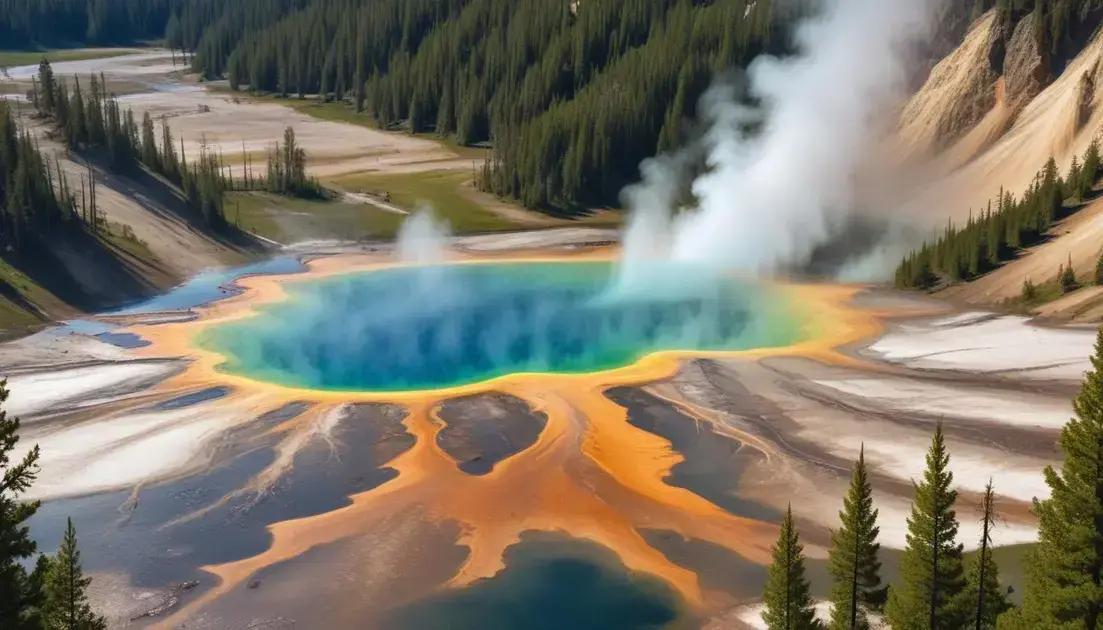
Yellowstone: America invents the national park
Yellowstone National Park, established in 1872, is the world’s first national park and plays a crucial role in conservation. It showcases unique geothermal features, such as geysers and hot springs, while providing a habitat for diverse wildlife like bison and wolves. The park emphasizes sustainability and uses technology for monitoring, ensuring the protection of its ecosystems. Visitor engagement through education and sustainable practices is key to preserving Yellowstone’s natural beauty for future generations.
Yellowstone is more than just a beautiful landscape; it’s a revolutionary idea that changed how we view conservation. Curious about how it all began? Let’s dive in!
The History of Yellowstone National Park
Yellowstone National Park is a landmark of American beauty and history. Established in 1872, it was the first national park in the world. This park has a rich history that showcases human efforts to protect nature. Native Americans lived in the area for thousands of years before the park’s creation. They respected the land and its resources, using it for hunting and gathering.
The area began to catch the interest of outsiders in the mid-1800s. Explorers and scientists came to see the unique features like geysers and hot springs. Their discoveries helped to promote the region’s natural wonders. In 1869, the Washburn-Langford-Doane Expedition documented many spectacular sights.
In the early 1870s, people pushed for protections for this stunning landscape. They wanted to preserve the beauty of Yellowstone for future generations. After much discussion, President Ulysses S. Grant signed the Yellowstone National Park Protection Act on March 1, 1872. This act marked a turning point in conservation efforts and established a place meant specifically for public enjoyment.
Since then, the park has been a favorite destination for millions. It represents a commitment to conservation and respect for nature. With its picturesque landscapes and diverse wildlife, Yellowstone serves as a reminder of the importance of preserving our planet’s natural beauty.
The Impact of Yellowstone on Conservation Efforts
Yellowstone has had a huge impact on conservation efforts across the globe. As the first national park, it set a standard for protecting natural spaces. It showed how important it is to preserve nature for future generations. By creating protected areas, we can maintain ecosystems and the wildlife that depend on them.
One major aspect of Yellowstone’s influence is its role in wildlife conservation. The park is home to various species, like bison, elk, and wolves. These animals have become symbols of wildlife preservation. The reintroduction of wolves in the 1990s helped balance the ecosystem and highlighted the need for natural predators.
Yellowstone also helped spark the national and global conservation movements. People around the world saw how special the park was. This inspired others to create protected areas in their own countries. Today, there are thousands of national parks, reserves, and protected lands worldwide.
The park is a great example of how science and conservation can work together. Researchers study the land and its animals to understand better how to protect them. Their findings help guide policies and conservation techniques, keeping both nature and visitors safe.
In many ways, Yellowstone is more than just a park—it’s a model for preservation and environmental stewardship. It’s a place that teaches us the value of nature and the need to protect it. By learning from Yellowstone’s story, we can continue to advance conservation efforts everywhere.
Visitor Experiences in Yellowstone
Visiting Yellowstone National Park is an adventure for everyone. This park has so much to offer. From stunning landscapes to diverse wildlife, there’s something for everyone to enjoy. You can hike through beautiful trails or take a scenic drive to see geysers and hot springs.
Many visitors come to watch the famous Old Faithful geyser. It erupts every 90 minutes, shooting water high into the air. This natural wonder amazes people of all ages. There are trails around it where you can learn more about geothermal features.
Wildlife viewing is another big draw for visitors. Yellowstone is home to bison, elk, and even bears. People often take guided tours to safely see these animals in their natural habitat. Staying quiet and patient is key to spotting wildlife in the park.
You can also go camping to immerse yourself in nature. Camping spots range from rustic sites to well-equipped areas. Waking up to the sounds of nature is a breathtaking experience. Many campers enjoy roasting marshmallows and sharing stories around the fire.
Don’t forget to explore the park’s visitor centers. They provide valuable information about the park’s history and wildlife. You’ll find interactive exhibits, ranger-led programs, and shops for souvenirs.
Yellowstone truly offers a unique experience. With its beauty and rich history, it creates memories that last a lifetime. Exploring this remarkable place is a journey every nature lover should take.
The Future of National Parks
The future of national parks looks bright but also challenging. As we move forward, parks will need to adapt to changing times. Climate change is one major concern. It affects wildlife, plant life, and weather patterns in many parks. National parks must find ways to protect their ecosystems.
Technology can play a big role in the future of these parks. New tools can help scientists monitor changes in the environment. This data can guide conservation efforts and improve park management. For example, using drones and remote sensors can help track wildlife populations and their habitats.
Visitor engagement is also critical. Parks are becoming more focused on educating the public. This includes offering programs that explain the importance of conservation. Interactive exhibits and guided tours can make the experience more engaging for visitors.
Another trend is the push for sustainable practices. Many parks are now looking for green energy options. Solar panels and electric vehicles can help reduce their carbon footprint. This can make the parks more eco-friendly and set an example for visitors.
Finally, preserving access for future generations is essential. This involves creating a balance between protecting natural resources and allowing public enjoyment. Parks should remain accessible while ensuring that nature thrives.
The future of national parks depends on us all. By staying informed and involved, we can help protect these vital spaces for years to come.
Conclusion
In conclusion, the future of national parks is both exciting and important. As we face new challenges like climate change, we must adapt our approach to conservation. Technology will be a key player in helping us protect these beautiful landscapes.
Engaging visitors is also vital for education and inspiration. By connecting with nature, people will understand why preservation matters. Sustainable practices will ensure that we can enjoy these parks while also protecting the environment.
As we move forward, our commitment to national parks will shape their future. We all have a role to play in safeguarding these treasures. Together, we can ensure that future generations will experience the wonder of national parks, just as we have.