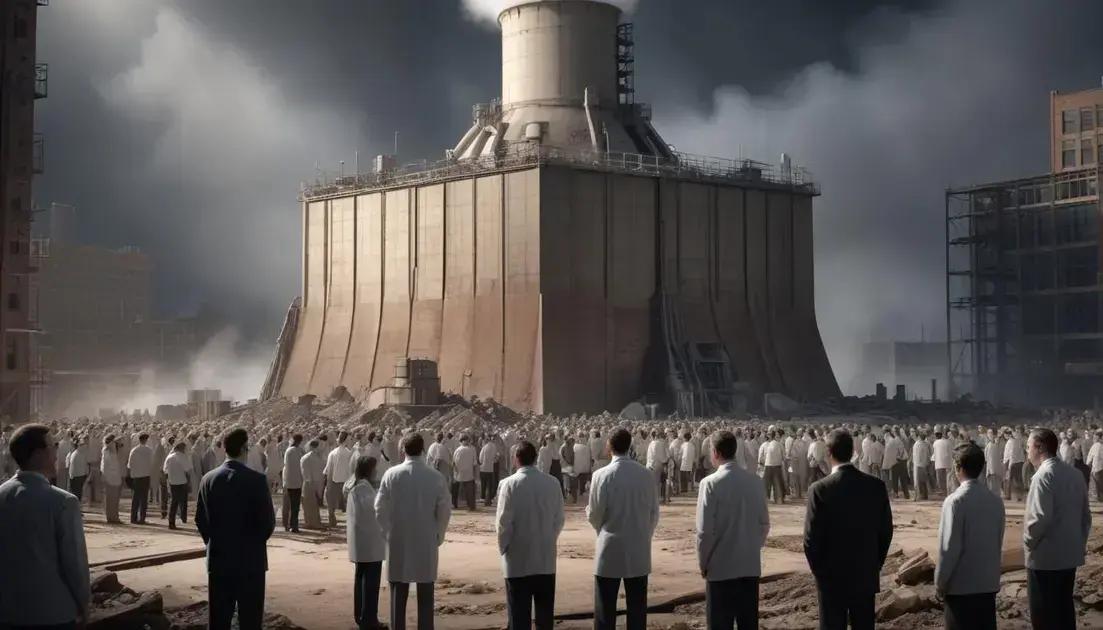
Chicago Pile-1: the birth of nuclear energy
Nuclear energy plays a vital role in modern science and technology, offering a clean and efficient power source. Key innovations include advancements in controlled chain reactions and nuclear medicine, which benefit healthcare and research fields. The future of nuclear energy looks promising with safer reactor designs and the potential for fusion energy. As the world seeks sustainable energy solutions, nuclear power can significantly reduce greenhouse gas emissions and drive scientific progress.
Nuclear energy has changed the dynamics of our planet. But do you know how it all started? The story of Chicago Pile-1 is not just about science; it’s a pivotal moment in history that led us to where we are today. Get ready to dive into this fascinating chapter!
Introduction to Chicago Pile-1
Chicago Pile-1 was the first nuclear reactor ever built. It represented a major breakthrough in science and technology. This reactor was created during World War II by a team of scientists, led by Enrico Fermi. They worked at the University of Chicago, where their goal was to sustain a controlled nuclear reaction.
The design of the reactor was simple. They used graphite as a moderator to slow down neutrons. This was critical for maintaining the reaction. By using uranium as fuel, they were able to create the first ever chain reaction. This was a game-changer for energy production.
Why is Chicago Pile-1 important? It marked the start of nuclear energy as a viable power source. Before this, many believed nuclear reactions were too dangerous or impractical. But with Pile-1, the potential for nuclear energy became clear.
Throughout the years, the work done at Chicago Pile-1 has paved the way for other nuclear reactors around the world. Today, nuclear energy powers millions of homes. It also contributes to reducing greenhouse gas emissions, which is vital for our environment.
In short, the creation of Chicago Pile-1 was not just a scientific achievement. It opened doors to new research and development in energy technology. Who knows what innovations the future of nuclear energy will bring?
Significance of Controlled Chain Reactions
Controlled chain reactions are the heart of nuclear energy. These reactions happen when one nuclear reaction causes a series of others. This process produces a lot of energy. It’s crucial for both safety and efficiency in nuclear power.
At Chicago Pile-1, scientists learned how to control these reactions. By using specific materials, they could slow down neutrons. This allowed the reactions to last longer and produce more energy safely. This was a huge step forward for energy production.
Why are controlled chain reactions important? They enable us to harness nuclear energy reliably. Without control, reactions can become dangerous, leading to accidents. However, when properly managed, they can offer a clean energy source.
The energy generated from controlled chain reactions is clean. It produces minimal greenhouse gases, helping combat climate change. This is why many countries invest in nuclear power today.
In addition to energy, controlled chain reactions have scientific benefits. They allow researchers to explore the properties of atomic particles and develop new technologies. Overall, these reactions are a key part of why nuclear energy is so significant.
The Future of Nuclear Energy
The future of nuclear energy looks bright and promising. As technology advances, we can expect safer and more efficient reactors. New designs aim to produce more energy with less waste. This is crucial for a growing population that needs more power.
Why is nuclear energy important? It offers a low-carbon alternative to fossil fuels. With climate change being a major concern, nuclear power can help reduce greenhouse gas emissions. Many countries are investing in this energy source for a cleaner future.
Innovations like small modular reactors (SMRs) are gaining attention. These smaller reactors are more flexible and can be built quickly. They also require less fuel and produce less waste than traditional reactors. This makes them better for smaller communities.
Additionally, advancements in fusion energy hold great promise. Fusion could provide a nearly limitless source of energy. However, it’s still in the research stage. Scientists are working hard to make it a reality.
Public perception of nuclear energy is changing too. More people understand its benefits and how safe modern reactors can be. Ongoing education efforts will continue to build trust and support for nuclear energy.
Impact on Modern Science
The impact of nuclear energy on modern science is huge. It has changed how we think about energy, physics, and technology. Nuclear research has opened doors to new discoveries and innovations that shape our world today.
Nuclear medicine is one area that greatly benefits from this technology. Using radioactive materials, doctors can diagnose and treat diseases like cancer. This has improved healthcare and saved countless lives.
Moreover, nuclear energy generates interest in other scientific fields. Physicists study particles and forces that help us understand the universe. Many breakthroughs in physics come from nuclear research, expanding our knowledge of the cosmos.
Additionally, nuclear energy has inspired advancements in engineering. Designing safer reactors involves complex engineering challenges. Solving these problems leads to better technologies in various fields, from energy to electronics.
It also sparks debates over safety and ethics. These discussions encourage young scientists to think critically. They explore not only the benefits of nuclear energy but also its risks.
Overall, nuclear energy fuels progress in many scientific areas. Its impact goes beyond power generation, influencing health, engineering, and ethical discussions.
Conclusion
Nuclear energy shapes our world in many ways. It offers a powerful solution to meet growing energy demands. With continued advancements, it becomes safer and more efficient.
Research into nuclear technology leads to breakthroughs in healthcare, energy production, and environmental protection. This gives us hope for a cleaner, more sustainable future.
As we understand nuclear energy better, we can address concerns about safety and waste management. Education and public awareness are key to building trust.
While challenges remain, the benefits of nuclear energy are undeniable. It presents a viable path to achieve energy independence while reducing carbon emissions.
With collaboration and innovation, the future of nuclear energy can be bright and promising. A commitment to safe practices can unlock its full potential for generations to come.
Conclusion
In conclusion, the journey of nuclear energy offers a fascinating glimpse into our scientific progress. From the groundbreaking work at Chicago Pile-1 to the innovative designs of tomorrow’s reactors, nuclear energy plays a crucial role in our quest for clean, reliable power. It has given rise to significant advancements in healthcare, engineering, and environmental science.
As we continue to explore nuclear energy, it’s important to address the challenges it presents. By focusing on safety and sustainability, we can build public trust and harness its potential effectively. The commitment to continuous improvement and education will help future generations make informed decisions about nuclear energy.
Ultimately, embracing the power of nuclear energy can lead us to a brighter, cleaner future. We have the chance to shape a world where energy is abundant and environmentally friendly. Together, we can make this vision a reality.