The Evolution of the Stars and Stripes
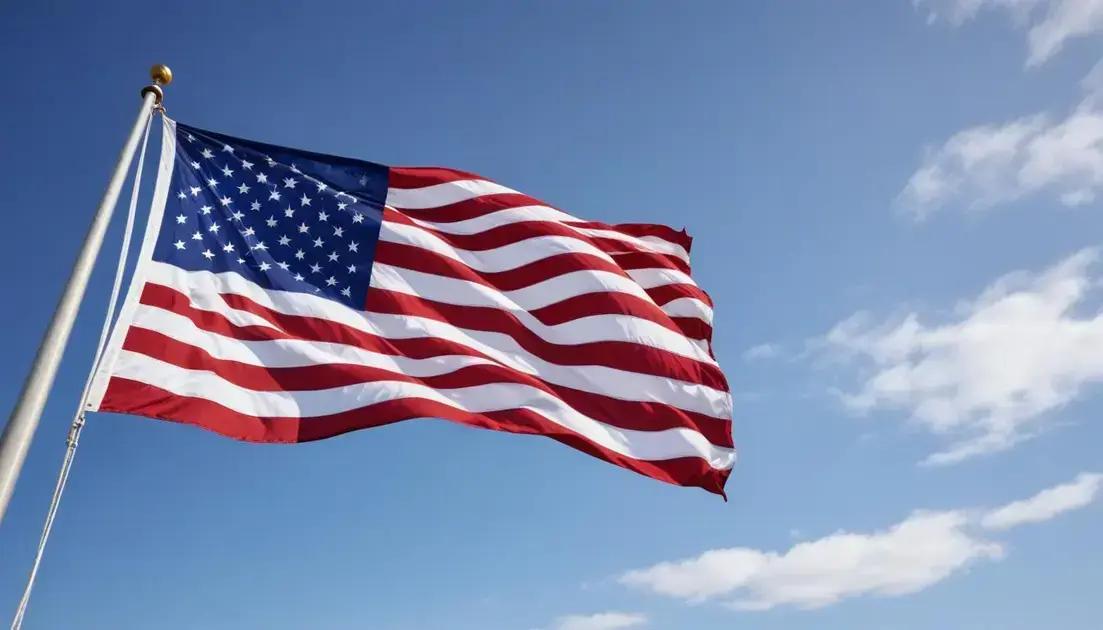
The American flag serves as a powerful symbol of unity, courage, and national history. Its design and significance have evolved over time, reflecting the ideals of freedom and pride. The flag is prominently displayed during cultural events, military conflicts, and national holidays, embodying the collective spirit of the nation and honoring the sacrifices made for independence. Understanding the flag’s importance fosters a deeper connection to American values and promotes a sense of belonging within the diverse community.
Stars and Stripes has evolved tremendously and continues to hold a vital role in America’s identity. Let’s uncover the fascinating story behind this iconic symbol!
History of the Flag
The History of the Flag is rich and full of meaning. It all began during the American Revolution. The first flag was known as the Grand Union Flag. It had 13 stripes and the British Union Jack in the corner. This flag showed the colonies’ ties to Britain.
Later, in 1777, the Continental Congress adopted a new flag with stars and stripes. Each stripe represented one of the 13 colonies. As the country grew, new stars were added for each state that joined the Union. The design changed several times, but the idea of unity stayed the same.
The current design, with 13 stripes and 50 stars, was adopted in 1960. Each star represents a state. The flag has become a symbol of freedom and bravery.
Throughout history, the flag has been used in many ways. It shows what Americans value: unity, freedom, and courage. Displaying the flag during holidays and events brings people together.
Many stories surround the flag, like the famous one involving Francis Scott Key. He wrote the “Star-Spangled Banner” after seeing the flag still flying after a fierce battle. This moment helped shape our national identity.
Today, the flag is recognized all over the world. It represents not just America, but also hope and opportunities for many.
Design Changes
The Design Changes of the American flag reflect the nation’s growth. Initially, there were 13 stripes to symbolize the original colonies. Each stripe was red and white, showing courage and purity.
As new states joined, stars were added. The flag changed its look for each addition. For example, when Vermont became a state in 1791, a new star appeared. This change happens whenever a new state enters the Union.
The 50-star flag we know today was first flown in 1960. This design has remained since then. The blue field symbolizes the union. The stars show each state, while the stripes show unity among them.
There have been several other flags before reaching this design. Each version tells a story about America. The changes highlight important moments in history and the spirit of the country.
With time, the flag has become a symbol of hope and freedom. Every design change marks a new chapter in reaching unity.
Cultural Significance
The Cultural Significance of the American flag goes beyond its design. It stands for freedom and democracy. Many people see it as a symbol of national pride. When the flag is raised, it often brings people together, creating a sense of unity.
During holidays like Independence Day, the flag plays a big role. People display it at homes, parades, and events. This shows their love for the country. The flag reminds everyone of the struggles faced to achieve freedom.
The flag also has meaning in times of conflict. Soldiers carry it into battle. It represents hope and bravery. When soldiers return home, the flag welcomes them back. This gesture shows gratitude for their service.
In sports, the flag is often displayed. Athletes compete under its symbol, promoting teamwork and spirit. Fans wave flags during games, cheering for their teams and showing loyalty.
The American flag has inspired art, music, and literature, too. It appears in songs like the “Star-Spangled Banner.” This highlights its deep connection to American culture.
Symbol of Unity
The American flag is a strong Symbol of Unity. It represents all Americans, no matter their background. When people see the flag, they often feel a sense of belonging. It reminds us that we are part of something bigger.
During tough times, the flag brings people together. Whether it’s a national crisis or a local event, the flag encourages unity. Everyone rallies around it, showing support for each other.
At community events, the flag often flies high. It’s a common sight at parades, ceremonies, and festivals. People gather to celebrate their shared values and hopes. This shows that the flag connects us all.
Schools also teach about the flag’s importance. Kids learn respect for the flag and what it stands for. They say the Pledge of Allegiance to honor the country. This tradition strengthens their sense of unity from a young age.
The flag often appears during sports events too. Fans cheer for their teams while waving the flag. This shared excitement shows community spirit and teamwork.
Historical Conflicts
Throughout history, the American flag has been present during many Historical Conflicts. It symbolizes courage and resilience. During the Revolutionary War, soldiers fought for freedom under its colors. The flag encouraged them to keep going even when times were tough.
In the Civil War, the flag took on special meaning. It represented both sides during this difficult time. For the Union, it stood for unity and preservation. For the Confederacy, it symbolized their fight for independence. This conflict tested the nation’s beliefs about freedom and equality.
World War I and II saw the flag again as a powerful symbol. Soldiers carried it with pride into battle. It reminded them of home and the values they were fighting for. It served as a beacon of hope for families waiting back home.
After these wars, the flag also became a sign of healing. It helped bring the nation together after loss. People displayed it in remembrance of those who fought bravely.
Today, the flag continues to symbolize the sacrifices made throughout history. It reminds us of the bravery shown during these conflicts and the ideals of freedom it upholds.
Conclusion
In conclusion, the American flag represents much more than just a piece of fabric. It stands as a symbol of unity, courage, and the rich history of our nation. From its early designs to its pivotal role in historical conflicts, the flag reminds us of the sacrifices made for freedom and equality.
As we celebrate the flag at events and holidays, we also reflect on what it means to us today. It brings people together, creating a sense of belonging in our diverse nation. Recognizing its significance can strengthen our connection to each other and to the values we share.
By understanding its history and cultural importance, we honor those who fought and continue to fight for the ideals the flag represents. Let’s carry this symbol forward, celebrating our unity and the promise of a brighter future together.