The courageous doctors of the Wild West
Wild West physicians greatly influenced American medicine through their innovative practices and dedication to patient care. Despite facing numerous challenges, these doctors introduced crucial techniques, such as vaccinations and practical emergency care, which laid the groundwork for modern health care. Their legacy is remembered in memorials and stories that celebrate their bravery and commitment to community health.
In the rugged, unpredictable world of the Wild West, brave doctors ventured into the unknown, facing countless dangers. What drove these medical pioneers to heal in such perilous conditions? Let’s uncover their incredible stories!
The challenges faced by doctors in the Wild West
Doctors in the Wild West faced many tough challenges while trying to help people. First, they often worked in remote areas with no easy access to medicines or equipment. This made their jobs much harder. They had to be creative and resourceful when treating patients.
Another big issue was the lack of formal training. Many doctors learned their skills through apprenticeships or by trying things out on their own. Some had little education and faced skepticism from the public. People often believed that anyone could be a healer, regardless of their training.
The risks were high. Diseases like smallpox and cholera were common. Without proper tools or knowledge, doctors struggled to save lives. They also faced danger from outlaws who might attack them while they were traveling to see patients.
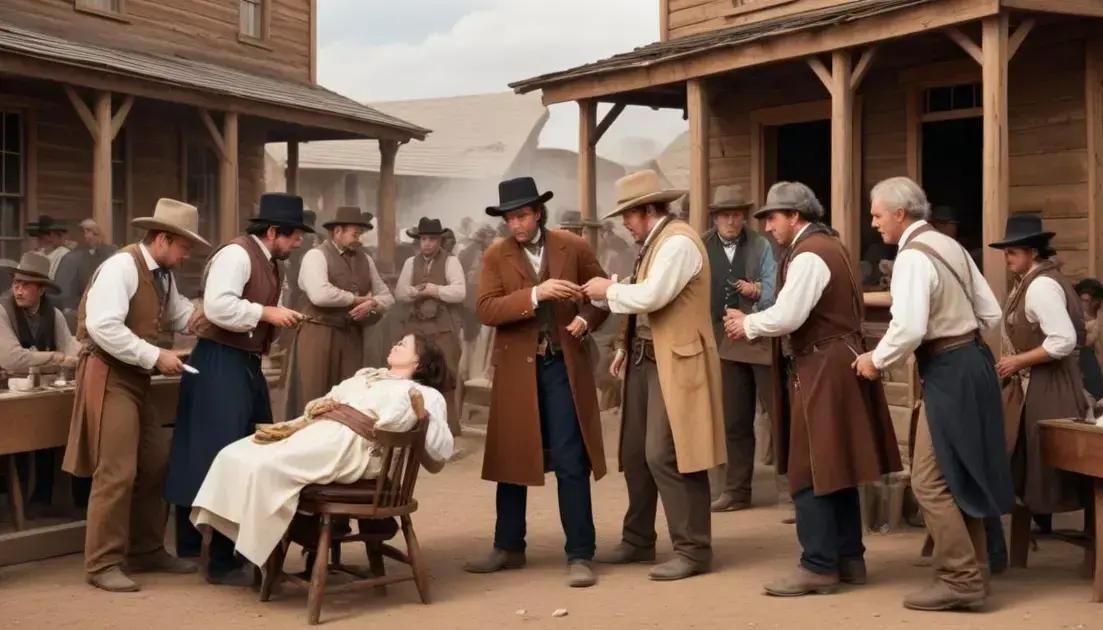
Working conditions were difficult, too. Many doctors had to set up their practices in makeshift offices or saloons, often battling extreme weather. Some even had to perform surgeries without anesthesia, which added to the stress of their jobs.
Despite these challenges, many doctors showed great courage and dedication. They traveled long distances to help those in need, often at great personal risk. Their commitment to medicine changed lives in ways that are still remembered today.
Notable figures in Wild West medicine
Many notable figures shaped medicine during the Wild West. One of the most famous was Doc Holliday. He was a gambler, but also a skilled dentist. He often helped people in need, even while facing danger.
Another important figure was Madame Marie Laveau. Known as the “Voodoo Queen of New Orleans,” she practiced herbal medicine. Her knowledge of plants helped many people heal during tough times.
Then we have Dr. Samuel Mudd. He gained fame for treating John Wilkes Booth, the man who shot President Lincoln. Although he faced criticism, Mudd was a dedicated doctor who continued to care for his community.
Dr. George Goodfellow was also notable. He was known for his surgery skills and understanding of gunshot wounds. Goodfellow worked in Tombstone, Arizona, and became well-respected among locals.
These figures faced many challenges but remained committed to helping others. Their stories remind us how important doctors were in the Wild West.
Innovative medical practices of the era
During the Wild West, doctors had to be innovative due to limited resources. They often used simple tools to treat patients. Many applied home remedies that families passed down through generations. These remedies included herbs and plants found in their surroundings.
One common practice was bloodletting. Doctors believed it could cure many illnesses by removing “bad blood.” While we now know it’s not effective, it was popular at the time.
Surprisingly, some doctors performed surgeries without anesthesia. They relied on the patient’s courage and sometimes used alcohol to dull the pain. This was dangerous, but it saved lives in emergency situations.
Doctors also created makeshift medical kits. They included scissors, sutures, and bandages often made from whatever was available. This resourcefulness was crucial for treating injuries from gunfights and accidents.
Another innovative practice was vaccination. Some doctors took the lead in immunizations. They used cowpox to protect against smallpox, paving the way for future medical advances.
These unique practices shaped medicine in the Wild West. They show the determination of doctors to care for their communities despite many challenges.
Impact of Wild West doctors on American health care
Wild West doctors had a big impact on American health care. They worked in tough conditions and had to be resourceful. This shaped how medicine developed in the United States.
One key impact was their focus on practical medicine. Doctors learned to treat wounds and illnesses with limited supplies. This hands-on approach helped establish effective practices that many use today.
They also introduced new techniques to care for patients. For example, early vaccinations became more common thanks to Wild West physicians. This was crucial in preventing diseases like smallpox.
Moreover, the experiences of these doctors highlighted the need for better training. Many pushed for formal medical education. This helped lead to the creation of medical schools in the late 1800s.
Additionally, their stories inspired others to pursue medicine. No one wanted to see their fellow townsfolk suffer. Many young people became doctors to serve their communities. This dedication built a stronger health care system.
By addressing health needs, Wild West doctors laid foundations for modern American medicine. Their legacy is still felt in today’s health care practices.
Legacy and remembrance of Wild West physicians
The legacy of Wild West physicians is strong and lasting. These doctors showed courage and dedication while facing many challenges. Their stories remind us of the important role they played in their communities.
Many of these doctors are remembered for their skills and compassion. They often treated anyone who needed help, regardless of the situation. This commitment to care built trust between them and the townspeople.
Some physicians became legends in their own right. People told tales of their bravery during gunfights or when dealing with deadly diseases. These stories grew over time, becoming a part of American folklore.
Memorials and museums have been created to honor these medical pioneers. They serve as reminders of the hardships these doctors endured. Exhibits often showcase their tools, medical practices, and contributions to health care.
The impact of their work still influences today’s medical field. Modern doctors often reference these early practices as they strive to serve their patients with the same dedication.
In movies and literature, Wild West doctors are featured prominently. This keeps their memories alive and sparks interest in their incredible lives. Their legacy is a vital part of American history.
Conclusion
In conclusion, the stories of Wild West physicians remind us how vital they were to their communities. Their courage, resourcefulness, and dedication shaped early American medicine in many ways. While facing great challenges, these doctors provided care and support to those in need.
Their legacy lives on today, inspiring modern healthcare practices. The unique methods they developed are still relevant and respected. As we remember these pioneers, we also honor their impact on health and medicine.
Through memorials, stories, and films, we celebrate their remarkable contributions. The commitment of Wild West doctors is a lasting part of our history that we should never forget.