1453: The Fall That Ended the Middle Ages
The Ottoman Empire profoundly influenced trade routes, European politics, and culture, shaping modern societies. Its control over key trade routes transformed commerce and led to new alliances and conflicts in Europe. The empire’s legacy, seen in contemporary customs, political borders, and religious tolerance, continues to impact today’s world, highlighting the importance of understanding this historical context.
Have you ever wondered how the Ottoman Empire changed the course of history? The fall of Constantinople in 1453 was a turning point that shaped trade and politics for centuries.
The significance of the fall of Constantinople
The fall of Constantinople in 1453 was a major event that changed the world. It marked the end of the Byzantine Empire, which had lasted for over a thousand years. This event opened the gates for the rise of the Ottoman Empire, which grew to be a powerful force.
How the Fall Impacted Trade
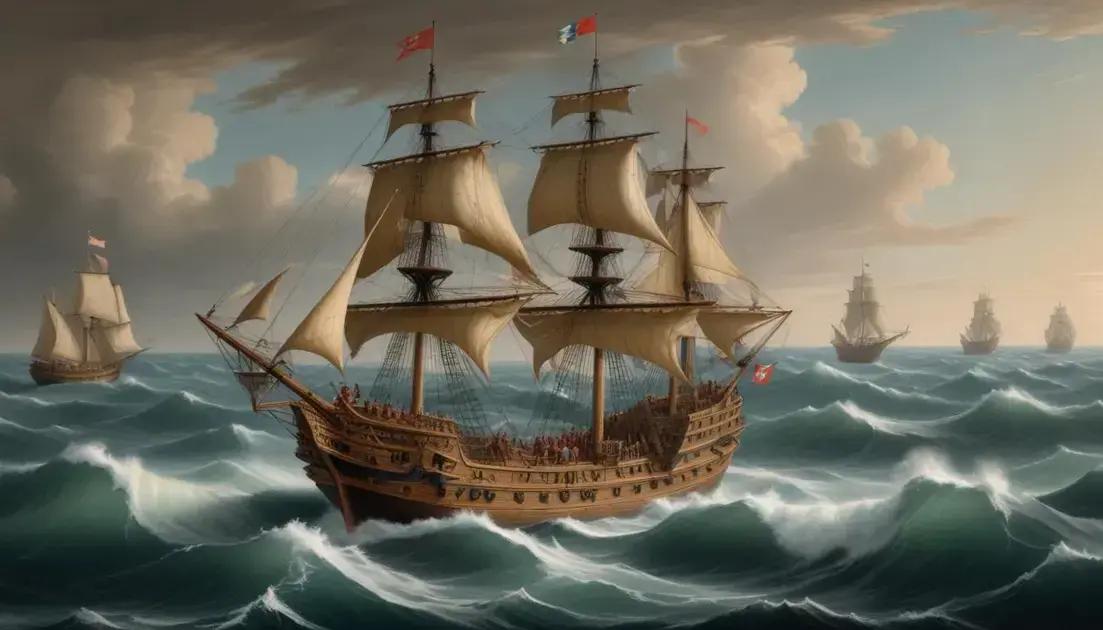
With Constantinople under Ottoman control, trade routes shifted dramatically. Merchants had to find new paths to avoid the Ottoman territory. This led to the Age of Exploration, as countries like Spain and Portugal sought new trade routes to the East.
Political Changes in Europe
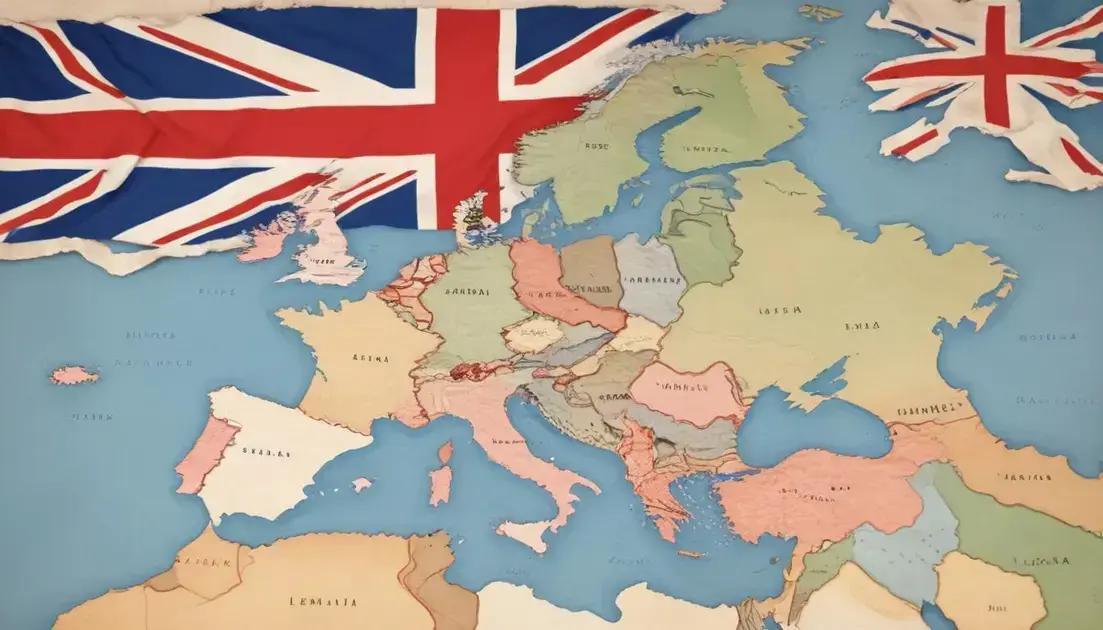
The conquest changed political landscapes across Europe. It encouraged new alliances and conflicts, as European countries responded to the rising power of the Ottomans. This period saw changes that shaped modern Europe.
Cultural Effects
The fall also had significant cultural impacts. Many scholars fled to Western Europe with ancient texts, sparking the Renaissance. This spread of knowledge helped revive art, science, and philosophy in Europe.
The Legacy of the Fall
The fall of Constantinople is often seen as the end of the Middle Ages. It set the stage for the modern era. The influences of this event are still felt today in politics, culture, and trade.
How the Ottoman Empire influenced trade routes
The Ottoman Empire had a big impact on trade routes in its time. When the Ottomans took control of Constantinople, they gained access to key trade routes between Europe and Asia. This position allowed them to control the flow of goods.
Shifting Trade Dynamics
Before the Ottoman conquest, traders used traditional paths to transport goods. With the Ottomans in charge, routes changed due to new political and economic realities. Merchants had to adapt quickly to these changes.
Impacts on European Commerce
European nations faced challenges after the Ottomans took over. Countries like Spain and Portugal looked for new paths to Asia. This search led to exploration and discoveries of new lands and trade routes.
Growth of Trade Centers
As trade routes shifted, new cities and trade centers emerged. Cities like Istanbul became hubs for commerce, culture, and knowledge. They connected East and West, allowing rich cultural exchanges.
Commodities in Demand
Diverse goods flowed through these routes. Spices, silk, and precious metals were in high demand. The Ottomans controlled many of these sources, which increased their power and wealth.
Understanding how the Ottoman Empire influenced trade routes gives us insight into the economic history of our world. Their legacy still affects trade dynamics today.
Effects of the conquest on European politics
The conquest of Constantinople changed European politics in many ways. It sparked fear and concern among European nations. The rise of the Ottoman Empire posed a significant threat to nearby countries.
Territorial Changes
With the Ottomans taking control, they expanded their territory quickly. This expansion led to conflicts with nearby states. Countries like Hungary and Poland were directly affected.
New Alliances Formed
In response to the Ottoman threat, European nations began to form new alliances. They sought to stand together against a common enemy. These alliances shifted power dynamics across the continent.
Impact on the Church
The conquest also affected the Catholic Church. The Pope called for crusades against the Ottomans to reclaim lost territory. This increased the church’s influence in political matters.
Changes in Warfare
As a result of the conquest, European military tactics evolved. Armies had to adapt to face the well-organized Ottoman forces. This evolution in warfare had long-lasting effects on how battles were fought in Europe.
The political landscape in Europe was forever changed by the conquest of Constantinople. It set the stage for centuries of conflict and shifting power balances.
Legacy of the Ottoman Empire in modern times
The Ottoman Empire has left a lasting legacy that we see today. Its influence can be seen in culture, politics, and even architecture. Understanding this legacy helps us appreciate modern history.
Cultural Influences
Many customs and traditions in Eastern Europe and the Middle East come from the Ottoman era. Food, music, and clothing styles still reflect this rich heritage. Cities once under Ottoman rule showcase stunning architecture, blending many styles.
Political Impacts
The political borders drawn after the Ottoman Empire’s fall shaped many nations. Countries like Turkey and Greece have histories deeply linked to the empire. These connections continue to influence political relations today.
Religious Influences
The Ottomans were known for their religious tolerance. This policy set an example for many countries in the region. Today, multiculturalism in these areas can often be traced back to the empire’s approach.
Modern Conflicts
Some conflicts in the modern world stem from the fall of the Ottoman Empire. Nationalism and ethnic tensions still surface in areas once ruled by the Ottomans. Understanding this past is crucial for resolving current issues.
The legacy of the Ottoman Empire is complex but essential. It continues to shape the world we live in, influencing how we understand culture and history.
Conclusion
In conclusion, the legacy of the Ottoman Empire still shapes our world today. Its influence on culture, politics, and religious tolerance can be seen in many regions. Understanding this history helps us grasp modern conflicts and cultural practices.
The empire’s rich traditions and diverse customs remind us of our shared past. We can learn valuable lessons from the Ottoman way of life, which emphasized coexistence and cultural exchange. By recognizing these influences, we can better navigate today’s challenges and appreciate the complex history that connects us all.