Inca Empire: the empire built in the mountains
The Inca Empire left a profound legacy that still shapes our world today. Renowned for its advanced architecture, innovative farming practices, and rich cultural traditions, this ancient civilization demonstrated remarkable resilience and ingenuity. Key achievements include the construction of impressive stone structures like Machu Picchu, sophisticated agricultural techniques such as terrace farming, and a cohesive social structure that fostered unity. Understanding the contributions of the Incas not only illuminates their historical significance but also offers valuable lessons for modern society.
Inca Empire offers an intriguing glimpse into a vast civilization that thrived high in the mountains. Ever wondered how they managed such feats of innovation and architecture? Let’s explore!
The Rise of the Inca Empire
The rise of the Inca Empire is an amazing chapter in history. It started in the early 15th century when the Incas formed a small tribe. But soon, they grew powerful and united many groups. This helped them expand their territory across Peru and neighboring areas.
Conquests and Alliances
The Incas were great leaders. They conquered lands with clever strategies. They also built alliances with other tribes. Such alliances made them stronger and helped them control vast areas. This network of alliances was key to their rapid growth.
Administrative Innovations
The Inca Empire had a smart administration system. They divided their land into regions, each with its own leader. This helped organize tax collection and law enforcement. Their ability to manage resources set them apart from others.
Culture and Religion
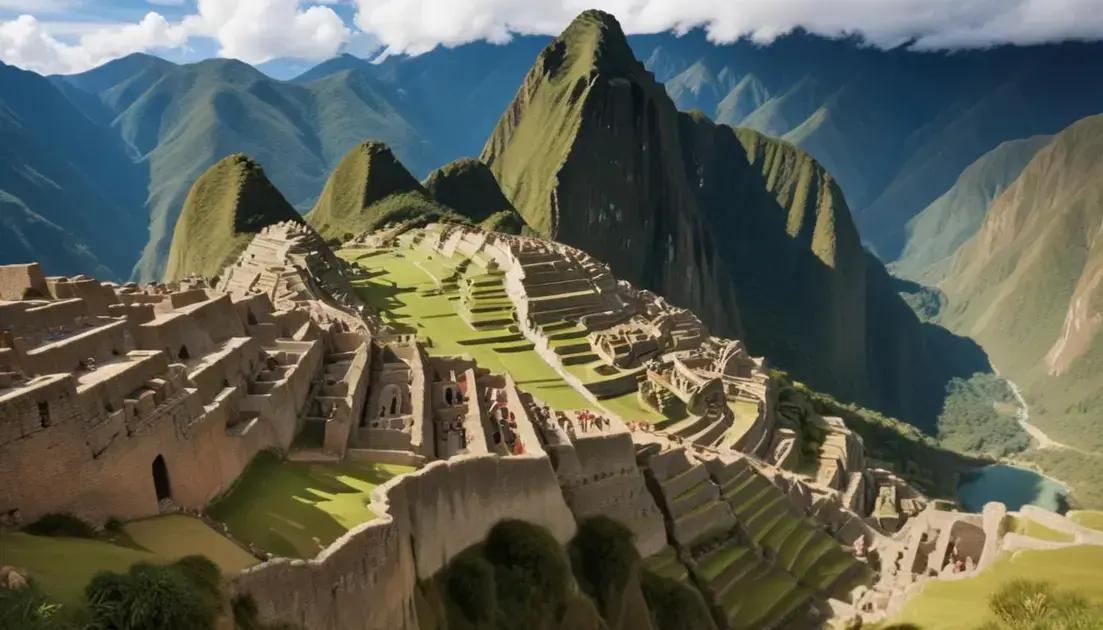
The Incas had a rich culture filled with art, music, and religion. They built impressive temples and cities, including the famous Machu Picchu. Their beliefs were tied to nature, and they honored many gods. This spirituality connected them to their land.
The Road System
One of the most impressive achievements was their road system. They built thousands of miles of roads linking the empire. This made travel and communication faster and safer. It also helped transport goods and troops efficiently.
Architecture and Roads of the Incas
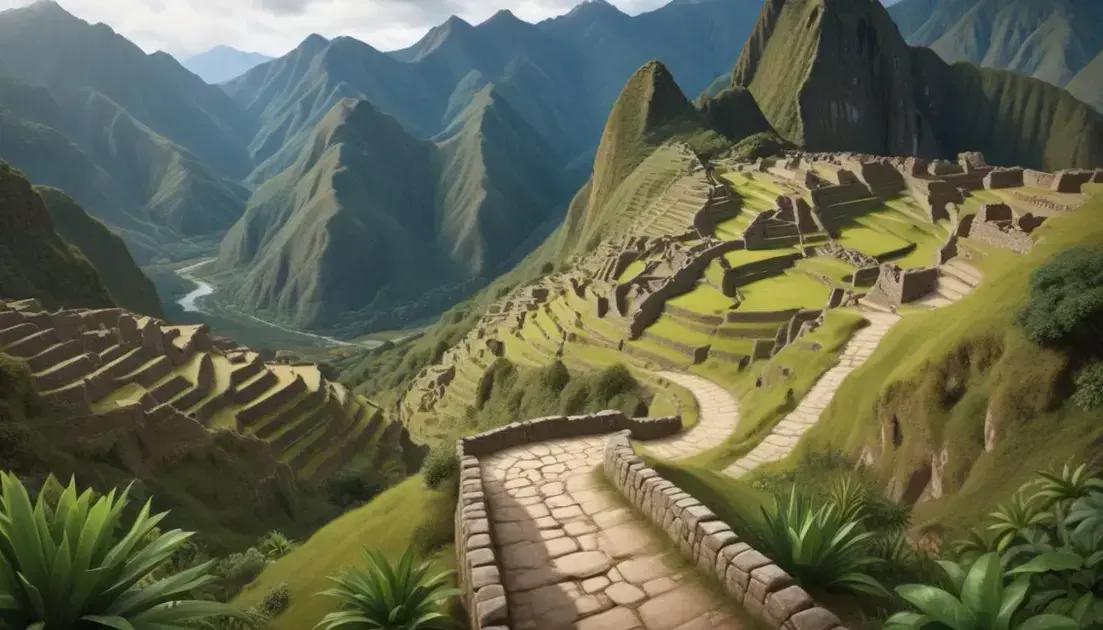
The architecture of the Incas is truly remarkable. They created stunning buildings and structures that still impress us today. Their use of stone is famous. The Incas were skilled in fitting huge stones together without mortar. This made their buildings strong and durable.
Engineering Marvels
The roads built by the Incas are another incredible achievement. They paved thousands of miles of paths through tough terrain. These roads helped connect cities and expand trade across the empire.
Urban Design
Inca cities were carefully designed. They often featured a central square surrounded by important buildings. These included temples, homes, and administrative centers. Their layout promoted both community and governance.
Farming Techniques
The Incas also mastered agriculture. They built terraces on steep mountainsides to grow crops. This method not only saved space but also improved water access. These innovations supported large populations.
Religious Structures
Temples played a major role in Inca architecture. They were built to honor their gods, such as Inti, the sun god. Temples were often located on high ground, symbolizing a connection with the heavens.
Society and Culture of the Incas
The society of the Incans was complex and well-organized. They lived in a hierarchy, which means there were clear roles and responsibilities. At the top was the emperor, known as the Sapa Inca. He was seen as a god and held great power.
Roles in Society
Beneath the emperor were noble families, priests, and administrators. They helped run the government and organize society. Farmers and laborers made up the base of the society. These workers were crucial for the economy and food supply.
Cultural Practices
The Incas had rich cultural traditions. They celebrated many festivals throughout the year. These festivals often included music, dancing, and feasting. It was a way to honor their gods and connect with their community.
Language and Communication
The official language of the Incas was Quechua. They used this language for communication across the vast empire. Quipus, or knotted strings, served as a writing system. They helped record information about trade and events.
Religion and Spirituality
Religion played a big role in Inca life. They believed in many gods and goddesses. Inti, the sun god, was one of the most important deities. They offered sacrifices to these gods to gain favor and ensure good harvests.
The Legacy of the Inca Empire
The legacy of the Inca Empire is vast and impactful. Their incredible achievements still resonate today. From architecture to agriculture, the Incas shaped many aspects of modern culture.
Architectural Influence
Inca architecture remains a marvel. Many of their stone structures still stand strong. Sites like Machu Picchu attract millions of visitors each year. Their innovative building techniques influence modern engineering.
Agricultural Techniques
The Incas developed advanced farming methods. They mastered terrace farming and irrigation systems. These practices enabled them to grow crops in tough environments. Today, we still use some of their methods to maximize food production.
Cultural Contributions
The Inca culture has left a rich heritage. Their art, music, and textiles reflect their unique identity. Many traditions continue in modern Andean communities. Festivals and rituals celebrate their history and beliefs.
Language and Communication
The Quechua language, once a means of unifying the empire, is still spoken today. It connects people to their Inca roots. The use of quipus, or knotted strings, shows their sophisticated record-keeping.
Global Impact
The Inca Empire’s influence extends far beyond its borders. Their innovations in governance and infrastructure inspire many nations. The empire teaches valuable lessons about resource management and cultural respect.
Conclusion
In conclusion, the Inca Empire has left an incredible legacy that continues to inspire today. From their stunning architecture to advanced farming methods, the Incas showed us innovation and resilience. Their rich culture and traditions are still celebrated in modern times.
Understanding the achievements of the Incas allows us to appreciate our connected history. Their impact on architecture, agriculture, and community life provides valuable lessons. By learning from their legacy, we can work towards a better future while respecting our past.
The story of the Inca Empire is more than just history; it’s a reminder of human potential and creativity. Embracing these lessons can help us all build a more connected and harmonious world.