Renaissance: the rebirth of art, science, and thought
The Renaissance was a pivotal period that marked a revival in art, science, and human thought from the 14th to 17th centuries. Key figures like Leonardo da Vinci and Michelangelo transformed artistic techniques, emphasizing realism and emotion. Scientific advancements, led by scholars like Galileo, shifted the focus to experimentation and observation, laying the groundwork for modern science. The era’s legacy continues to influence contemporary culture, highlighting the importance of creativity, inquiry, and the spread of knowledge through innovations like the printing press.
Welcome to the Renaissance, where art, science, and thought converged to create a cultural explosion that transformed Europe. Have you ever pondered how this period influenced our modern world? Let’s dive in!
What is the Renaissance?
The Renaissance was a vibrant period of change in Europe. It started in the 14th century and lasted until the 17th century. People began to appreciate art, science, and literature like never before.
During this time, artists created stunning works. Think of famous names like Leonardo da Vinci and Michelangelo. Their art remains admired to this day. The Renaissance was not just about painting; it also changed how people thought.
Learning became important again. Scholars like Erasmus and Thomas More explored new ideas. They challenged old beliefs and encouraged others to do the same. This shift in thinking laid the groundwork for modern science and philosophy.
Innovations in Art and Science
With the Renaissance came great discoveries. Artists discovered new techniques like perspective. This made their paintings look more realistic. Scientists, like Copernicus and Galileo, challenged how we see the universe. They asked questions that opened doors to new knowledge.
The invention of the printing press was a game changer. It made books more accessible. People could read and share ideas quickly. This led to a spread of knowledge across Europe.
Key Figures of the Renaissance
During the Renaissance, many key figures emerged in art, science, and literature. These individuals changed the way we think and create. Their work laid the foundation for modern culture.
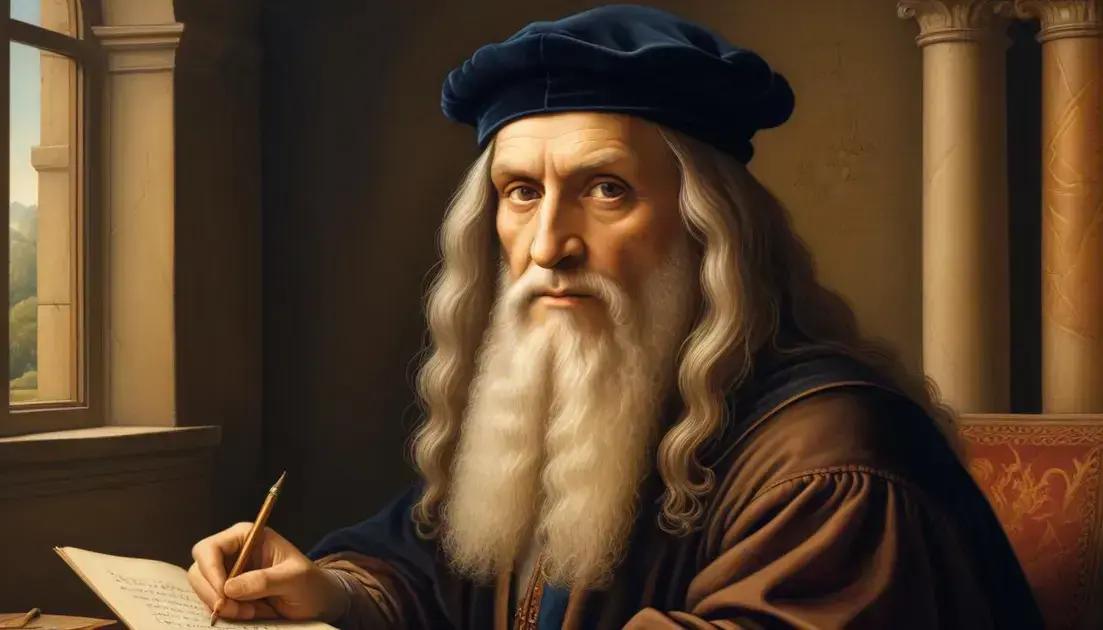
One of the most famous artists was Leonardo da Vinci. He painted the Mona Lisa and created inventions long before they existed. His curiosity and creativity knew no bounds.
Another significant figure was Michelangelo. He sculpted amazing works like the David and painted the ceiling of the Sistine Chapel. His art shows incredible detail and emotion.
In science, Galileo Galilei made huge contributions. He studied the stars and planets. He improved the telescope, helping others see the universe clearly.
The writer William Shakespeare also rose to fame during this time. His plays and poems explored human emotions and experiences. Today, his work still resonates with audiences worldwide.
These figures were not just artists or scientists; they were thinkers. They pushed boundaries and inspired others to do the same. Their legacy continues to influence our world today.
Impact on Art and Science
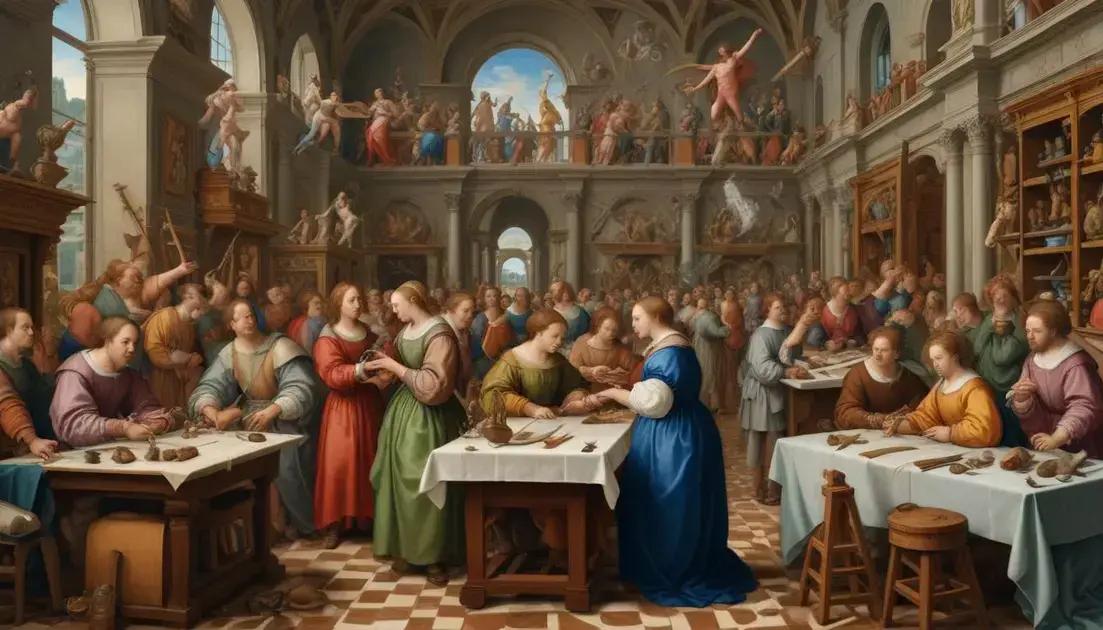
The Renaissance had a huge impact on both art and science. Artists and scientists pushed the limits of what was possible. They brought new ideas and techniques that changed how we see the world.
Artists began to explore new styles. They used perspective to create depth in their paintings. This made art feel more lifelike. Famous artists like Leonardo da Vinci and Raphael took advantage of these techniques to express their ideas beautifully.
Science also saw great advances during this time. Scholars began to question old beliefs. They focused on observation and experimentation. Galileo challenged traditional views of the universe with his studies of the stars and planets.
The invention of the printing press helped spread knowledge. Ideas from artists and scientists could reach more people than ever before. This led to a rapid exchange of thoughts and discoveries.
In medicine, the work of Andreas Vesalius changed how we understood the human body. His detailed drawings improved medical knowledge and practices. Thinkers during the Renaissance helped shape modern science with their critical approach.
Overall, the Renaissance was a time of great creativity. It influenced future generations, inspiring new movements in art and science that continue today.
The Legacy of the Renaissance
The legacy of the Renaissance is felt in many areas today. This period laid the groundwork for modern art, science, and thought. The ideas and innovations from this time continue to shape our culture.
In art, the Renaissance introduced techniques that artists still use. Concepts like perspective and chiaroscuro (the use of light and shadow) are essential today. Famous artworks from this time inspire new generations of artists.
Science benefited greatly from the Renaissance. Thinkers encouraged a focus on observation and experimentation. This set the stage for the scientific method, which guides research today. Innovations in fields like astronomy and anatomy were amplified during this era.
The Renaissance also sparked a cultural movement that emphasized humanism. This idea focuses on human potential and achievements. Today, we see this reflected in literature, philosophy, and education.
Furthermore, the invention of the printing press transformed communication. Ideas spread more quickly, leading to a more informed society. This helped promote literacy and a thirst for knowledge, which remains vital in our world.
Overall, the Renaissance’s impact stretches across many disciplines. Its spirit of inquiry, creativity, and exploration continues to influence how we think and create today.
Conclusion
The Renaissance was a truly transformative period that reshaped art, science, and culture. Its influence can still be felt today. Thinkers and creators from this time laid the foundation for modern ideas and practices.
By embracing creativity and questioning old beliefs, they encouraged major advancements. From stunning artworks to groundbreaking scientific discoveries, the Renaissance made a lasting impact.
Today, we continue to draw inspiration from their work. The spirit of discovery and innovation remains alive in our classrooms, museums, and labs. By understanding the Renaissance, we appreciate the roots of our current world.
Recognizing this legacy helps us to reflect on our potential. Just as Renaissance thinkers challenged the status quo, we too can pursue knowledge and creativity. The future is ours to shape, inspired by the past.