Hittites: the forgotten empire of warriors and law
The Hittite Empire, a powerful civilization in ancient Anatolia, is known for its significant contributions to warfare, law, and culture. They innovated military strategies using chariots, established written laws promoting justice, and engaged in trade with neighboring kingdoms. Their rich cultural legacy and diplomatic relations with entities like Egypt highlight their influence on history. Lessons from the Hittites, such as the importance of adaptability, strong governance, and cultural exchange, remain relevant today.
Have you ever heard about the Hittites? This ancient empire was once a powerhouse, influencing diplomacy and warfare in its heyday. Let’s dive in!
Introduction to the Hittite Empire
The Hittite Empire was a fascinating ancient civilization. They lived in what is now Turkey, around 1600 BC. The Hittites were known for their strong armies and smart laws. They fought many battles and formed important alliances with neighboring kingdoms.
One of the coolest things about the Hittites was their use of chariots in warfare. These speedy vehicles helped them win many fights. Their skills in war made them rivals to powerful places like Egypt.
In addition to their military strength, the Hittites developed a complex legal system. They had laws that were written down, which was not common at the time. This showed their commitment to justice and order.
Trade also thrived in the Hittite Empire. They exchanged goods like metals, textiles, and pottery. Their markets were bustling, connecting them to many cultures.
The Hittites left an important mark on history. Their influence spread far and wide, shaping the politics and culture of their time. Learning about the Hittites helps us understand how ancient societies functioned and interacted.
Key Contributions to War and Law
The Hittites made significant contributions to both war and law in their time. Their approach to warfare was advanced for their era. They used chariots, which provided speed and power on the battlefield. These chariots changed how battles were fought and helped them defeat larger armies.
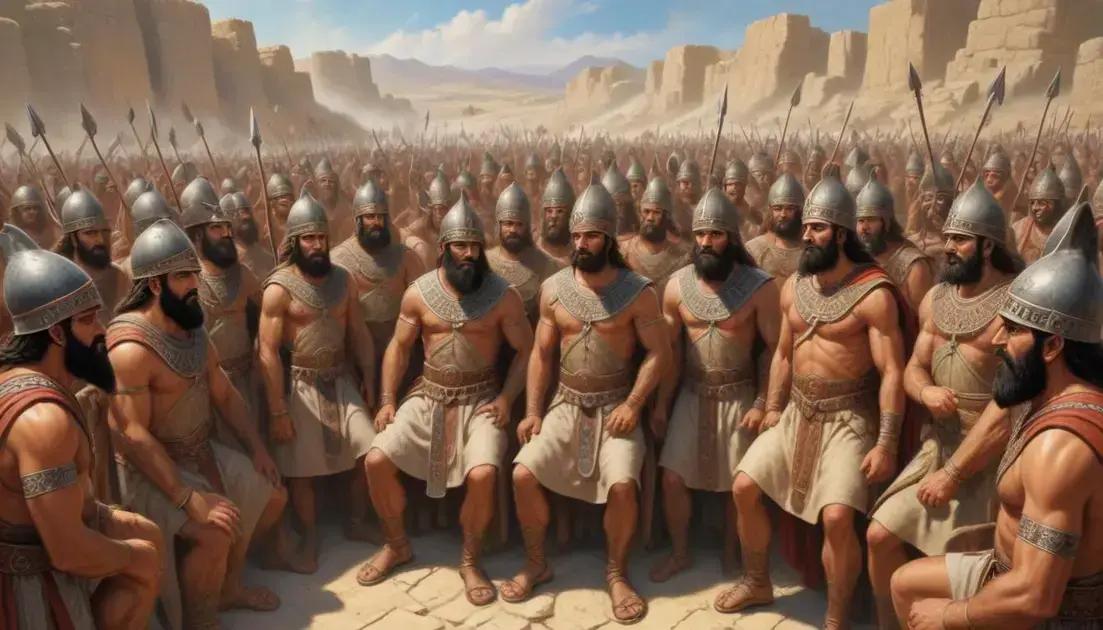
Moreover, the Hittites were known for their well-trained soldiers. They organized their armies effectively. This organization allowed them to engage in strategic planning during wars. Their tactics often focused on surprise and mobility, which were key to their successes.
In terms of law, the Hittites created a legal system that focused on fairness. They wrote down their laws, making it clear for everyone. This was important, as it helped people understand their rights and responsibilities.
The Hittite laws covered various aspects of life, including trade, marriage, and property. Punishments were often based on the principle of restitution. This meant that offenders had to compensate victims, which promoted justice within the community.
Overall, the Hittites’ contributions to war tactics and legal frameworks shaped the foundations of future civilizations. They left a lasting legacy that influenced many cultures, demonstrating the importance of organization and justice.
Relations with Neighboring Civilizations
The Hittites had a complex relationship with their neighboring civilizations. They interacted with many cultures, including the Egyptians and Assyrians. At times, these interactions were friendly, involving trade and alliances. Other times, they led to conflicts and wars.
Trade was crucial for the Hittites. They exchanged goods like metals, textiles, and pottery. This helped them gain wealth and access to resources they needed. Through trade, they formed powerful connections with other empires.
Diplomatic marriages also played a role. Hittite kings often married daughters from other royal families. This helped to secure peace and foster cooperation. Such alliances created strong ties between nations.
However, their relations weren’t always peaceful. The Hittites engaged in fierce battles to protect their borders. They fought against rivals like the Egyptians during the famous Battle of Kadesh. These conflicts shaped the political landscape of the time.
Despite the challenges, the Hittites influenced and were influenced by surrounding cultures. Their interactions led to shared ideas in art, religion, and governance. This cultural exchange enriched their empire and left a lasting impact on history.
Cultural and Historical Legacy
The Hittite Empire has a rich cultural and historical legacy. They contributed greatly to art, literature, and architecture. Hittite art often featured intricate carvings and detailed pottery. These artworks show their daily life and beliefs.
Their written texts are also significant. The Hittites used cuneiform script to document laws, treaties, and myths. These texts help us learn about their society and values. They provide insights into their beliefs about gods and the world around them.
Architecturally, the Hittites built impressive structures. Their cities had large walls that protected them from enemies. They also constructed temples dedicated to their gods, showcasing their spiritual life.
Culturally, the Hittites influenced neighboring societies. They shared their art styles and legal ideas with other cultures, which enriched the region. Their approach to law and governance set a precedent for future civilizations.
Today, the legacy of the Hittites is still felt. Archaeological discoveries continue to reveal their impact on history. Their contributions help us understand the development of early civilizations and the exchange of ideas in the ancient world.
Conclusion: Lessons from the Hittites
The Hittites offer many lessons for us today. Their ability to adapt and innovate helped them thrive. They showed the importance of strong leadership and organization in both war and governance. The Hittite Empire reminds us that cooperation with others can lead to great achievements.
They also highlight the value of written laws. By documenting their regulations, they promoted justice and fairness. This practice helped maintain order in society and strengthened their community.
Furthermore, the Hittites teach us about cultural exchange. Their interactions with neighboring civilizations enriched their own culture. Sharing ideas and practices can lead to growth and understanding among different peoples.
Studying the Hittites helps us recognize the ongoing relevance of these lessons. We can apply their strategies to our own lives, whether in leadership, collaboration, or justice.
Conclusion
In conclusion, the Hittite Empire teaches us valuable lessons about resilience, leadership, and culture. Their ability to adapt to challenges demonstrates how important it is to stay flexible in a changing world. A strong leadership structure helped them manage their empire effectively and navigate conflicts.
Moreover, the Hittites remind us of the value of written laws. By establishing clear rules, they promoted fairness and justice in their society. This practice can guide us in creating stronger, more just communities today.
Finally, the cultural exchanges that took place during their time show how sharing ideas can enhance societies. By interacting with neighbors, the Hittites enriched their own culture and influenced others. We can apply these insights in our lives and communities, encouraging cooperation and understanding.
Ultimately, the legacy of the Hittites continues to inspire. Their story is not just about the past but a reminder for us to learn from history and strive for a better future.