Assyria: the war machine of the ancient Near East
The Assyrian Empire was a powerful force in the ancient Near East, known for its innovative military strategies, advanced administration, and rich cultural contributions. Their efficient governance through provincial systems, impressive architectural achievements, and preserved knowledge in libraries greatly influenced future civilizations. The legacy of Assyria continues to resonate today, showcasing their significant role in shaping human history and culture.
Assyria was a formidable empire that dominated the ancient Near East with its groundbreaking military strategies and efficient administration. Have you ever wondered how such a ruthless regime thrived? Let’s dive into its complexities!
Introduction to Assyria
Assyria was known for its might and strategic power in the ancient Near East. This empire arose around 2500 BC and lasted for many centuries. It was remarkable for its military strength and advanced governance.
The Rise of Assyria
Assyria began as a small city-state. Over time, it grew into a major empire due to strong leadership and skilled warriors. Kings like Ashurbanipal led successful campaigns, expanding their territory.
Militaristic Approach
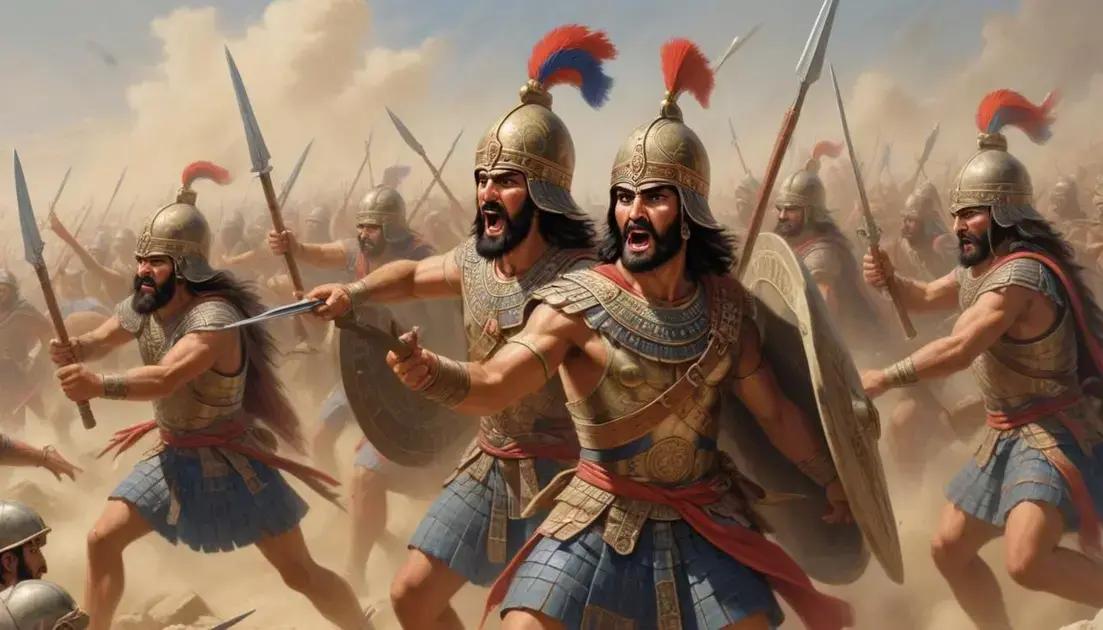
The Assyrian army was among the most effective of the time. They used advanced warfare techniques and technologies. Spears, bowmen, and chariots were crucial in their battles. These strategies helped them conquer vast regions.
Governance and Society
Assyria also excelled in governance. They enforced laws and organized their empire into provinces. This system allowed efficient management and communication. Roads connected cities, improving trade and mobility.
Cultural Achievements
Assyria is known for its rich culture, too. They built grand palaces and beautiful temples. Art and literature flourished, leaving a legacy that influences us today. The famous Library of Nineveh housed thousands of clay tablets filled with knowledge.
In summary, Assyria was not just a war machine. It was a dynamic civilization that played a major role in shaping history. Their military prowess, governance, and culture still attract attention and admiration.
Military Strategies of Assyria
Assyria was famous for its powerful military strategies. Their army was one of the most feared in ancient times. They used clever tactics and advanced technology to win battles.
Infantry and Cavalry
The Assyrian army had a strong infantry and cavalry. Soldiers were well-trained and disciplined. They fought with swords, spears, and bows. Cavalry units rode on horses, moving swiftly on the battlefield.
Siege Warfare Techniques
Siege warfare was a key part of Assyrian strategy. They built large siege engines to attack fortified cities. These machines helped break down walls and defenses, making it easier to conquer strongholds.
Use of Chariots
Chariots played an important role in their military tactics. These fast vehicles carried archers and spearmen. This mobility allowed Assyrians to outmaneuver their enemies and strike unexpectedly.
Intelligence and Spying
The Assyrians relied on intelligence gathering. They sent spies to learn about enemy plans and strengths. This information helped them plan successful attacks and avoid traps.
Tactics in Battle
In battle, the Assyrians often used feigned retreats. They would pretend to flee, luring enemies into traps. Then, they’d turn back and attack from the sides. This tactic confused and demoralized their opponents.
Overall, Assyrian military strategies made them a dominant force. Their innovative approaches changed how wars were fought in the ancient world.
Administration and Governance
The Assyrian empire was known for its effective administration and governance. They created a well-organized system to manage their vast territories. This helped maintain control and stability throughout the empire.
Provincial Governance
Assyria divided its lands into provinces. Each province had a governor who reported to the king. Governors managed local matters, collected taxes, and enforced laws. This system made governance more efficient.
Legal Codes
Assyrians had strict laws in place. These laws helped maintain order and justice in society. The famous Code of Hammurabi influenced Assyrian laws, ensuring fair treatment for all citizens.
Communication Systems
To keep the empire running smoothly, the Assyrians set up communication networks. Roads connected cities, making travel easier for messengers. This quick communication helped relay important news and orders.
Taxation and Trade
Taxation played a vital role in the Assyrian economy. Local governors collected taxes from citizens. This revenue funded military campaigns and public projects. Trade flourished in Assyria, boosting wealth and resources.
Cultural Promotion
Assyria promoted culture and education throughout the empire. They established libraries and schools to foster learning. This focus on culture helped unify diverse populations under Assyrian rule.
Overall, Assyrian administration and governance were key to their strength. Their methods created a strong and efficient empire that lasted for centuries.
Cultural Impact
The Assyrian empire had a significant cultural impact on the ancient world. They influenced art, architecture, and literature across their vast territory. Assyrian culture mixed various traditions from other civilizations.
Art and Architecture
Assyrian art is known for its detailed relief sculptures and wall paintings. These artworks often depicted hunts, battles, and religious ceremonies. Their grand palaces showcased impressive architecture, emphasizing strength and power.
Literature and Scholarship
The Assyrians valued knowledge and literature. They established libraries that stored thousands of clay tablets. These tablets included records, laws, and stories, preserving important information for future generations.
Religious Practices
Religion played a central role in Assyrian life. They worshipped many gods, each with specific functions. Temples were built in honor of these deities, and rituals were conducted to seek favor and protection.
Language and Writing
The Assyrians used cuneiform writing on clay tablets. This system allowed them to record events and communicate effectively. Over time, other cultures adopted aspects of Assyrian writing, showcasing their influence.
Trade and Cultural Exchange
Assyria’s powerful position boosted trade with neighboring regions. This trade led to cultural exchanges, spreading Assyrian customs and traditions. Goods, ideas, and innovations flowed between different cultures, enriching them.
Overall, the cultural impact of the Assyrians shaped the ancient world. Their contributions in art, literature, and governance can still be seen today.
Legacy of Assyrian Power
The legacy of Assyrian power is vast and impactful. This ancient empire left a mark on history that is still felt today. Their contributions influenced many cultures and civilizations.
Military Innovations
The Assyrians were pioneers in military strategy. Their tactics and organization reshaped warfare. Many armies worldwide studied Assyrian methods to improve their own.
Administrative Efficiency
Assyria’s system of governance laid the groundwork for future empires. Their use of provincial governors set a standard for efficient administration. This model influenced how later states managed large territories.
Cultural Exchange
Trade routes opened by the Assyrians led to cultural exchanges. They spread their art, literature, and technology across regions. This exchange enriched other cultures and fostered innovation.
Architectural Influence
The impressive architecture of Assyrian palaces and temples inspired later builders. Their use of monumental structures showcased their power and left a lasting impression. Many modern architectural styles reflect Assyrian influences.
Preservation of Knowledge
Libraries established by the Assyrians preserved a wealth of knowledge. Clay tablets contained literature and scientific studies. These documents became invaluable for future scholars and historians.
Today, the legacy of Assyrian power reminds us of their contributions to civilization. Their innovations in military, governance, and culture continue to inspire.
Conclusion
In conclusion, the legacy of the Assyrian Empire continues to influence our world today. Their innovations in military strategy, administration, and culture are notable. Assyria’s ability to adopt new ideas and share them with others helped foster growth.
From their efficient governance to their impressive architecture, the Assyrians set standards that later civilizations admired. Their emphasis on literature and knowledge also preserved important historical insights for future generations. Thus, understanding the Assyrian legacy allows us to appreciate how much they contributed to the development of human civilization.
Tags: