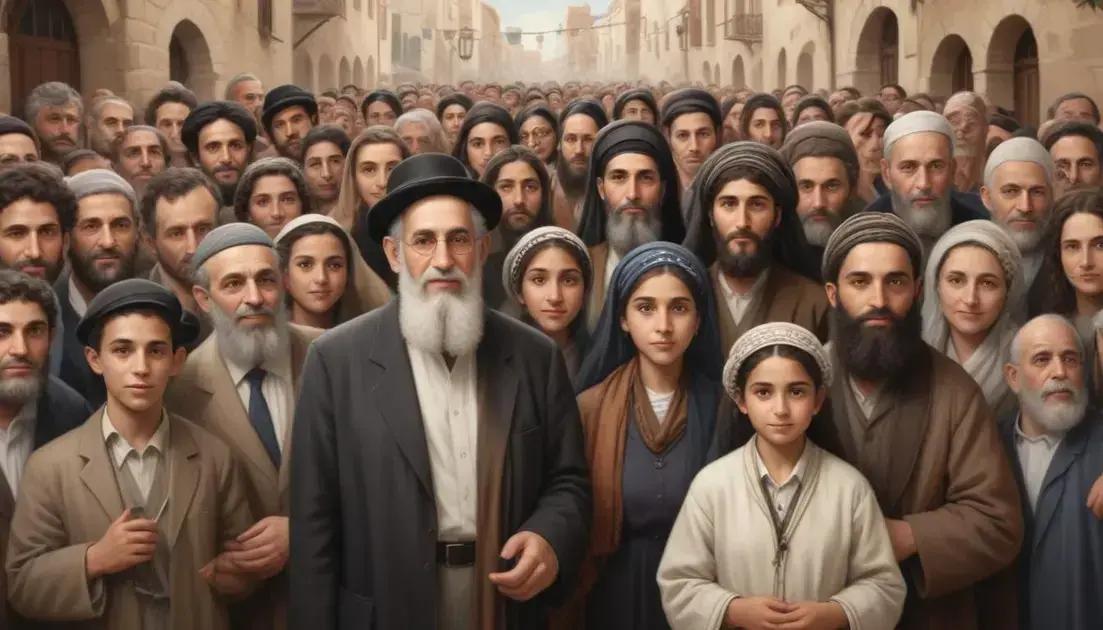
The Jewish Diaspora: exile, identity, and survival
The Jewish Diaspora significantly influences modern Jewish life, shaping community connections and cultural identity. Through traditions, celebrations, education, and technology, Jews across the globe maintain their rich heritage. This blend of experiences enhances both religious practices and social activism, ensuring that Jewish culture remains vibrant and adaptable in diverse environments.
In exploring the Diaspora, we uncover a rich tapestry of identity and resilience. How have the Jewish communities thrived despite centuries of exile? Let’s find out!
Historical overview of the Jewish Diaspora
The Jewish Diaspora has a long and varied history. It begins after the Babylonian Exile in 586 BCE. At that time, many Jews were forced to leave their homeland. They settled in various parts of the world, including Babylon and Persia. This movement started a rich tradition of Jewish life outside of Israel.
Growth of Communities
As centuries passed, many Jews moved to different regions, such as Europe, North Africa, and the Middle East. Each new settlement had its unique culture. Jews adapted to local customs while keeping their own traditions alive.
Challenges Faced
The journey was not easy. Jews often faced discrimination and persecution. During the Middle Ages, for example, many were blamed for social problems. This led to expulsions from places like Spain in 1492.
Resilience and Identity
Despite hardships, Jewish communities showed amazing resilience. They built vibrant cultures, particularly in cities like Amsterdam and London. Education and religion played crucial roles in maintaining their identity.
Modern Times
Today, the Jewish Diaspora is a global phenomenon. Millions of Jews live in various countries, each contributing to the rich tapestry of Jewish identity. Celebrations, food, and rituals still connect diverse communities to their shared heritage.
Key challenges and experiences
The journey of the Jewish Diaspora is full of key challenges and experiences. Many Jews faced hardships while adapting to new environments. Discrimination often followed them throughout history.
Discrimination and Persecution
Throughout the centuries, Jewish communities have encountered various forms of persecution. In many places, they faced blame for social issues. This often led to violence and forced expulsions.
Maintaining Cultural Identity
Despite these challenges, Jews worked hard to maintain their cultural identity. They built schools, synagogues, and centers for community life. These places helped nurture their traditions and languages, even in foreign lands.
Resilience in Adversity
Resilience is a key part of the Jewish experience. Many communities found strength in their shared history. Elders would pass down stories and teachings that kept their spirits alive.
Economic Challenges
Economic struggles were also a reality. Many Jews started businesses in new lands, facing barriers to success. They often needed to navigate complicated laws and customs to thrive.
Creating Support Networks
Forming support networks became crucial for survival. Communities helped each other find jobs and support families during tough times. This sense of unity has been essential in overcoming obstacles.
Cultural identity across generations
Cultural identity is a vital part of the Jewish experience across generations. It helps bind families and communities together. Many Jewish families have strong traditions that they pass down.
Traditions and Celebrations
Celebrations play a big role. Festivals like Passover and Hanukkah bring families together. These events not only celebrate history but also teach younger generations about their roots.
Language and Literature
Language is another key part of cultural identity. Hebrew and Yiddish connect Jewish people to their past. Many families still use these languages in daily life, keeping them alive.
Education and Storytelling
Education is essential for passing down culture. Parents teach their children about important texts and history. Storytelling helps share experiences and lessons from the past.
Community Centers
Community centers often act as hubs for cultural activities. They organize events, classes, and workshops that celebrate Jewish culture. This strengthens ties within the community, fostering a sense of belonging.
Adapting to New Cultures
As the Jewish Diaspora grows, adapting to new cultures becomes important. Many Jews blend local customs with their traditions. This mix creates a rich cultural identity that reflects their diverse experiences.
Impact of the Diaspora on modern Jewish life
The Jewish Diaspora has a significant impact on modern Jewish life. It shapes communities and influences daily practices. Many Jews today live far from their ancestral homeland.
Community Connections
Modern Jewish communities often stay connected through technology. Social media and online forums allow people to share traditions and news. This helps maintain a sense of belonging.
Cultural Exchange
The Diaspora also creates opportunities for cultural exchange. Jews around the world share diverse experiences. This mix enriches Jewish culture and contributes to a vibrant global identity.
Religious Practices
Religious practices vary widely due to different local influences. Some communities focus on traditional rituals, while others adapt to modern lifestyles. Balancing these aspects is crucial for many families.
Educational Programs
Education remains essential for preserving Jewish identity. Schools and community centers offer programs that teach history, language, and traditions. This education helps young people connect with their roots.
Political and Social Activism
The Jewish Diaspora also plays a role in global politics. Many Jews advocate for social justice and human rights. They work to ensure that their voices are heard in society.
Conclusion
In conclusion, the Jewish Diaspora has greatly shaped modern Jewish life. Its impact is seen in how communities connect, celebrate traditions, and adapt to new environments. While challenges persist, the resilience of Jewish people keeps their culture alive.
Today, technology helps maintain connections across the globe. Through education and cultural exchange, younger generations can learn about their heritage. The vibrant mix of experiences adds depth to Jewish identity, making it richer and more diverse.
As Jewish communities continue to grow and evolve, they remain a testament to the power of unity and tradition. Understanding and embracing this heritage is crucial for a thriving future, ensuring that cultural values are passed on to generations to come.