Inca roads: engineering that connected an empire
The Inca roads were remarkable engineering feats that connected the vast Inca Empire and played a crucial role in trade and cultural exchange. Today, efforts to preserve these ancient roads are essential for maintaining their integrity and supporting tourism. Travelers can explore these historical paths, gaining insight into Inca culture while contributing to local economies. The significance of Inca roads continues to echo through time, showcasing both the ingenuity of their builders and the vibrant history they represent.
Have you ever wondered about the incredible engineering behind Inca Roads? These ancient pathways not only linked cities, but also connected cultures spanning across the Andes!
The construction techniques of the Incas
The construction techniques of the Incas were nothing short of amazing. The Incas built their roads with precision and skill. They used large stones that fit together perfectly without any glue or mortar. This made their roads strong and durable.
Stone Cutting and Placement
Inca builders were experts at cutting stones. They shaped stones to fit together tightly, which meant their roads stood the test of time. Some stones still exist today, showing how well the Incas understood their work.
Leveling the Terrain
Building roads through the Andes was no easy task. The Incas leveled the ground and built bridges over rivers. They used ramps and quarry sites to move heavy materials. Their ingenuity allowed them to adapt to different landscapes.
Water Management
The Incas were also skilled in managing water. They built drainage systems to keep their roads safe. This prevented flooding and erosion, helping the roads last longer. Their ability to control water flow was key to their impressive engineering.
Understanding these techniques helps us appreciate the incredible work of the Incas. Their roads not only connected their empire but also demonstrate their advanced engineering skills.
The significance of Inca roads in trade
The significance of Inca roads in trade was huge for the empire. These roads connected different regions, making it easier to move goods. Traders traveled thousands of miles to exchange items like textiles, food, and tools.
Trade Networks
Inca roads formed a vast network that linked cities and towns. This network helped many cultures share products and ideas. It wasn’t just about selling; it was also about building relationships.
Efficient Transportation
Roads allowed for fast transportation of goods. The Incas used llamas to carry heavy items across their roads. This way, they could move items quickly, saving time and effort. Llamas were perfect pack animals due to their strength and ability to go uphill.
Resource Distribution
These roads made it simpler to distribute resources. Goods could be sent from areas rich in crops to places that needed food. This helped everyone have a better quality of life and boosted trade.
Trade along the Inca roads promoted unity. It linked various people and cultures under the Inca empire. Through trade, the Incas thrived and expanded their influence across a vast area.
Inca roads today: preservation and tourism
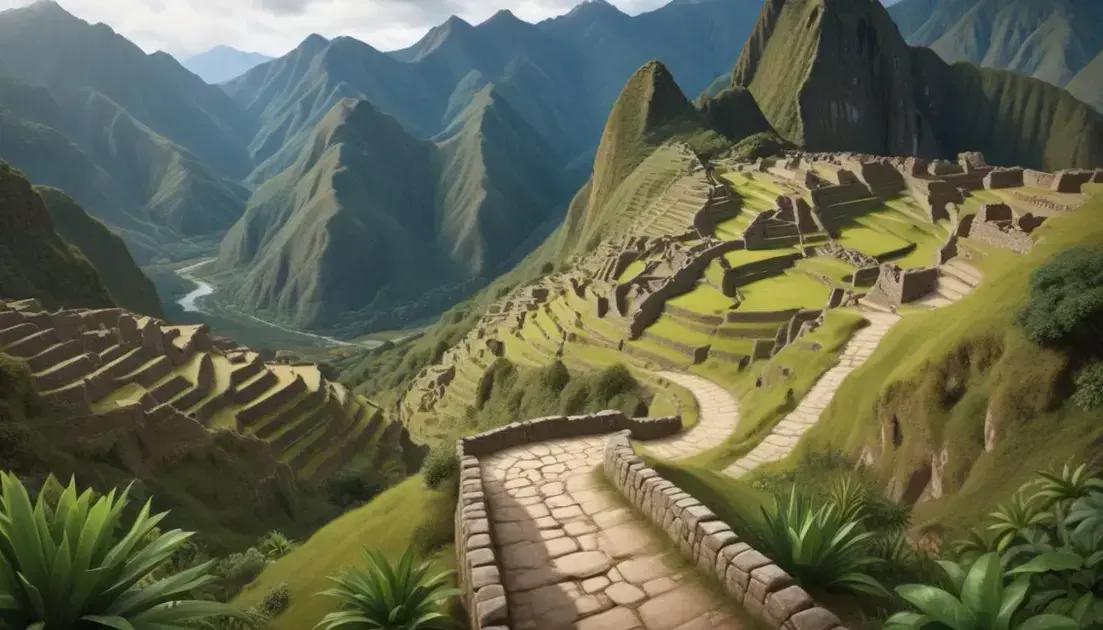
Inca roads today serve as a testament to the amazing engineering of the ancient world. Preservation of these roads is essential for history and tourism. Many of the roads remain intact, allowing visitors to walk and explore.
Preservation Efforts
Organizations work hard to protect Inca roads from damage. Restoration projects ensure that the paths stay strong and safe for visitors. This includes regular maintenance to prevent erosion and widening from modern traffic.
Tourism and Economic Impact
Tourism brings many people to these ancient roads. Visitors come to see the beauty and history of the Inca Empire. This influx of tourists helps local economies, providing jobs and supporting small businesses.
Exploring Inca Roads
Walking along these roads offers a unique experience. Tourists can enjoy breathtaking views and learn about Inca culture. Guided tours often explain the significance of the roads and their construction.
The preservation of Inca roads not only keeps history alive but also supports a connection between past and present. They remind us of the strength and skill of the Inca builders.
Conclusion
In conclusion, the preservation of Inca roads is vital for understanding history and promoting tourism. These ancient paths showcase remarkable engineering and connect us to the past. By protecting and maintaining these roads, we ensure they remain accessible for future generations.
Moreover, the economic benefits from tourism can help local communities thrive. Travelers who hike these historical routes gain valuable insights into Inca culture. In the end, Inca roads are not just a part of history; they’re a bridge connecting us to a rich heritage while supporting modern life.