Olmecs: the mother culture of Mesoamerica
The Olmecs, known as the first major civilization in Mesoamerica, significantly influenced future cultures through their art, architecture, and religious practices. They created impressive colossal stone heads and established early forms of writing, shaping the cultural landscape of later societies like the Maya and Aztecs. Their legacy continues today in modern festivals and artistic expressions that celebrate Olmec heritage and values.
Have you ever wondered about the Olmecs? These captivating ancient people were the first major civilization in Mesoamerica, and their influence is still felt today.
The Origins of the Olmec Civilization
The Olmec civilization is often regarded as the first major civilization in Mesoamerica. It started around 1200 BCE in what is now southern Mexico. The Olmecs are known for their impressive art and architecture, including huge stone heads that some believe represent their rulers.
These powerful people thrived in a region of rich resources. They made a living from agriculture and trade. Olmec farmers grew maize, beans, and squash. Their diet was varied and healthy.
The Olmecs also practiced a complex religion that influenced later Mesoamerican cultures. They built ceremonial centers like San Lorenzo and La Venta. These sites had large plazas, temples, and colossal stone sculptures.
Societal structures were well-organized. Leaders held significant power, guiding their people in daily life and spiritual matters. This organization contributed to the Olmecs’ long-lasting influence on cultures that followed.
Many aspects of Olmec culture, such as their art and religious beliefs, made their mark on the Maya and other later civilizations. They established the foundational elements that helped shape Mesoamerican history for centuries.
Key Contributions to Mesoamerican Culture
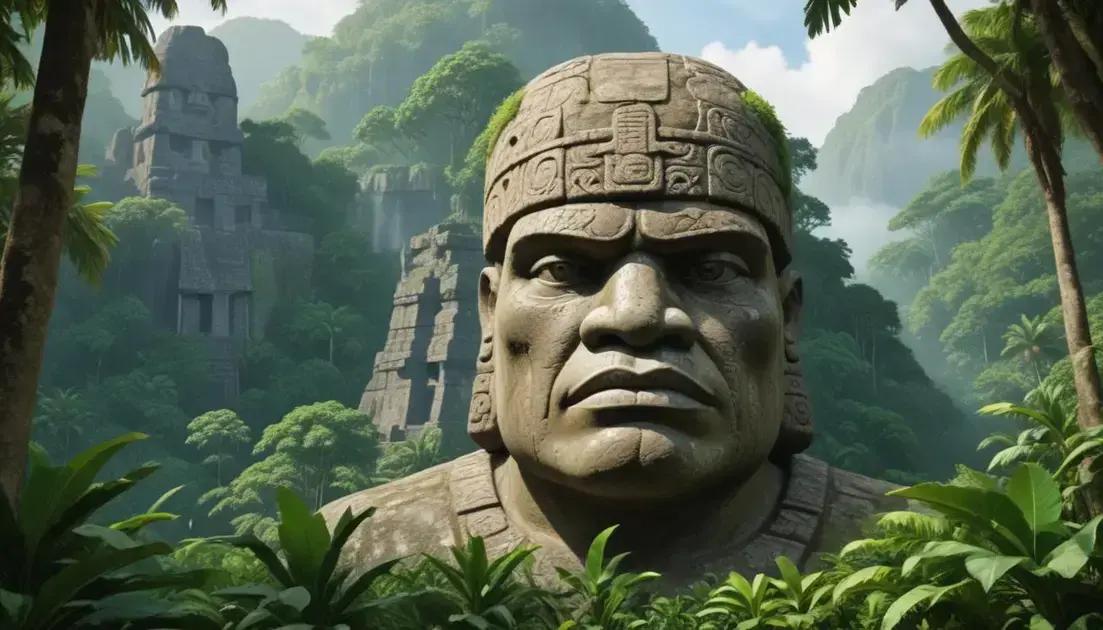
The Olmecs made several key contributions to Mesoamerican culture that shaped later civilizations. They are known for their remarkable art, especially their colossal stone heads. These heads, some weighing up to 40 tons, are a signature of their artistic talent.
The Olmecs also developed early forms of writing and a calendar. They were one of the first cultures in Mesoamerica to organize their thoughts into written symbols. This paved the way for future writing systems.
Another significant contribution was their religious practices. They influenced the complex religious systems seen in later cultures like the Maya and Aztecs. Their beliefs included gods represented by natural elements like rain and maize.
Apart from religion and art, the Olmecs established trade networks. They connected with other cultures to exchange goods, which helped spread their influence across Mesoamerica. This trade included items like jade, which was highly valued for jewelry and rituals.
Their architectural style also had a lasting impact. The layouts of their ceremonial centers inspired the designs of later Mesoamerican cities. This combination of art, religion, trade, and architecture made the Olmecs a central part of Mesoamerican history.
Famous Colossal Heads and Their Significance
The Olmec colossal heads are among the most famous artifacts from ancient Mesoamerica. These massive stone sculptures range from 4 to 12 feet tall and can weigh up to 40 tons. Each head features unique facial features, often believed to represent Olmec rulers.
These heads were carved from basalt, a hard volcanic rock. The artisans who created them displayed incredible skill and craftsmanship. They likely used simple tools to shape these large stones, which is an impressive feat.
The significance of these colossal heads goes beyond their size. They symbolize the political and social power of the Olmec civilization. Many believe they served as markers for important ceremonial sites. This connects them deeply to Olmec religion and culture.
While the exact purpose of the heads remains unclear, researchers think they were part of rituals or celebrations. Some suggest they may have been made to honor specific leaders or ancestors. This shows the importance of lineage and leadership in Olmec society.
Today, the colossal heads are a significant source of pride in Mexico. They attract tourists and serve as a reminder of the rich history and culture of the Olmecs. Their influence extends to many aspects of Mesoamerican civilization, showcasing their lasting legacy.
Myths and Legends of the Olmec People
The Olmec people believed in many myths and legends that shaped their culture. These stories often explained natural events and their connection to the gods. Like many ancient societies, they used myths to understand the world around them.
One popular legend speaks of the creation of the first Olmec people. They believed that these early humans came from the earth and the sky. This story highlights their deep respect for nature and its powers.
The Olmecs also had gods that represented various elements, such as rain and maize. Maize was especially important because it was a staple food. The god of maize was often celebrated in rituals and festivals, showing how crucial it was to their daily life.
Another fascinating tale is about the Hero Twins. This story came later in Mesoamerican culture but has roots in Olmec beliefs. The twins overcame challenges and defeated gods, representing the struggle between life and death.
These myths often featured powerful animals, like jaguars and snakes. Jaguars symbolized strength and power, becoming a common theme in Olmec art. This connection to animals showed their respect for wildlife and its role in their mythology.
These myths and legends are more than just stories. They helped teach the Olmecs important values and beliefs. Today, they remind us of the rich cultural history that influenced later Mesoamerican civilizations.
The Legacy of the Olmecs in Modern Culture
The legacy of the Olmecs is still visible in modern culture today. Many features of their civilization influenced later Mesoamerican societies, like the Maya and Aztecs. For example, the Olmecs are credited with developing early forms of writing. This paved the way for complex writing systems in future cultures.
Their colossal stone heads and intricate art styles continue to inspire artists. Modern sculptures and murals often reflect Olmec designs. You can see their influence in contemporary Mexican art and architecture.
Many of the Olmec beliefs and practices shaped the spiritual traditions of later civilizations. This includes the reverence for nature and agricultural gods, which are still important in some communities today. The concept of respecting the earth and its resources echoes their ancient philosophy.
The Olmecs’ architectural styles, especially their ceremonial centers, also influence modern building designs. Their use of large stone structures set the pattern for future Mesoamerican cities. Even today, architects study Olmec sites for inspiration.
Festivals that celebrate Olmec history, like Day of the Dead, honor their traditions. These events reflect a blend of ancient practices and modern culture. In this way, the Olmecs have left an enduring mark on the cultural landscape of Mexico and beyond.
Conclusion
In conclusion, the Olmecs played a crucial role in shaping Mesoamerican culture. Their accomplishments, from impressive art to complex beliefs, still impact modern society today. By developing early writing, influencing religious practices, and inspiring contemporary art, the Olmecs left a lasting legacy.
Today, we celebrate their contributions through festivals and art that reflect their rich history. Understanding the Olmec civilization helps us appreciate our cultural roots and the connections we share with the past. As we explore and learn, the stories of the Olmecs continue to inspire and enrich our lives.