Era of Good Feelings: unity after war
The Era of Good Feelings marked a pivotal time in American history, characterized by national unity and optimism following the war. Key events such as political agreements, cultural celebrations, and economic initiatives fostered a spirit of collaboration among citizens and leaders. This period significantly influenced future U.S. policies, emphasizing bipartisanship and social reforms that aimed to enhance community engagement and improve the lives of everyday Americans.
American history is often filled with tumult, but during the Era of Good Feelings, a rare calm washed over the nation. What led to this unique period of unity and hope?
Political climate post-war
After the war, the political climate in America took a notable turn. Many people felt a deep sense of relief and unity. The sacrifices made during the war pushed communities to come together. Everyone was looking for peace and stability.
Changing Leadership
New leaders emerged, focusing on healing the nation. They worked to bridge divides and promote collaboration. This helped to foster a spirit of goodwill among different groups. Political debates became less heated as everyone aimed for a common goal.
Increased National Pride
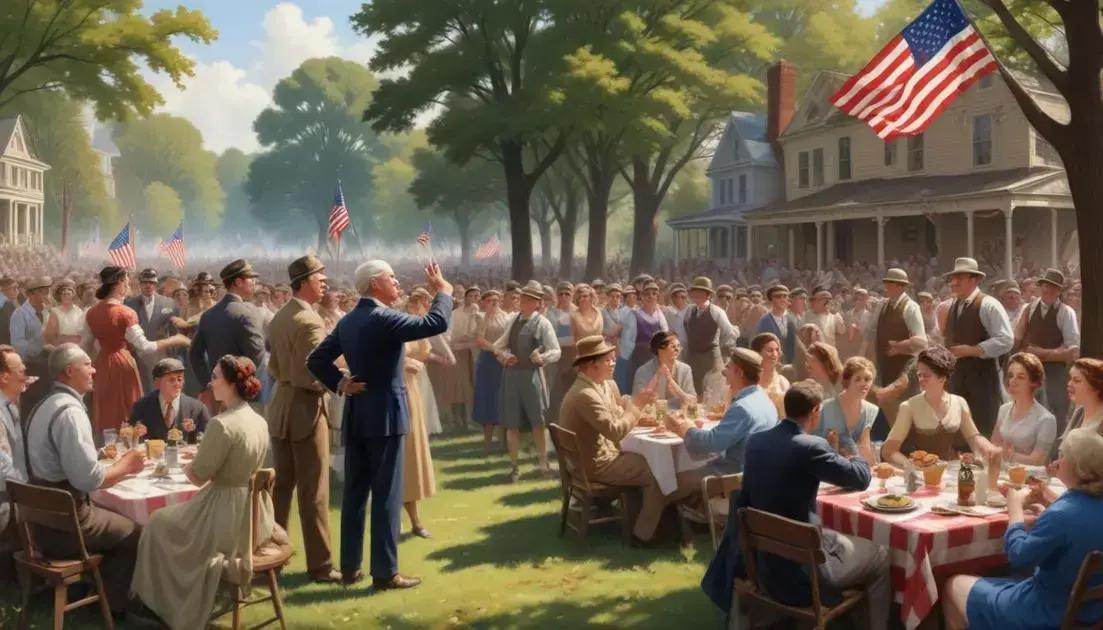
Americans began to feel proud of their country again. Celebrations across towns showed this growing sense of pride. From parades to speeches, the focus was on a brighter future, uniting the people.
Economic Recovery
The economy slowly started to recover. Jobs were created, leading to better living standards. People were optimistic and ready to rebuild. The government’s role in fostering growth became crucial.
Citizens engaged more in politics. They became more aware of their rights and responsibilities. This active participation helped shape national policies and fostered a sense of ownership.
National optimism
National optimism soared after the war. People were filled with hope for a brighter future. This feeling was shared by many, young and old. They believed things could only get better from here.
Community Engagement
Communities came together to celebrate this new mood. Town meetings and social events became popular. These gatherings brought neighbors closer while promoting positive discussions.
Support for New Initiatives
Citizens were eager to support new ideas. They welcomed programs that aimed to improve their lives. Investments in schools, roads, and parks were met with enthusiasm. Everyone wanted to build a better society.
Art and Culture Flourished
Arts and culture began to thrive. Musicians, writers, and artists expressed this wave of optimism. Their work inspired others, showcasing the country’s spirit. This creative boom united people through shared experiences.
People felt empowered to shape their destiny. They believed their voices mattered, and change was possible. This optimistic outlook laid the groundwork for future growth and unity.
Key events leading to unity
Several key events helped bring unity to the nation after the war. Each event played a part in healing the wounds left behind. These moments created opportunities for people to come together.
Political Agreements
Leaders began to form compromises. They worked on policies that favored cooperation. This showed everyone that unity was possible, even among differences.
Cultural Celebrations
National holidays became important. They provided a chance for people to celebrate together. Parades and festivals fostered community spirit and shared joy. These gatherings built bonds among citizens.
Economic Initiatives
New economic projects also contributed to unity. Investments in infrastructure created jobs and boosted local economies. This improvement brought people from all backgrounds closer as they worked together.
Discussions on social issues became common. Citizens shared their thoughts and experiences. This openness helped everyone feel included and valued. Each of these events reinforced hope and collaboration.
Impact on future U.S. policies
The impact on future U.S. policies after the Era of Good Feelings was profound. Leaders learned from the unity experienced during this time. They began to prioritize collaboration over conflict.
Focus on Bipartisanship
Political parties started to work together more often. This shift focused on finding solutions that benefitted everyone. It allowed for smoother governance and more effective policies.
Social Reforms
New policies emerged that reflected citizens’ needs. Issues like education and healthcare became central topics. Leaders aimed to create fair opportunities for all, which encouraged public support.
Economic Strategies
Economic policies shifted to enhance growth. Investments in infrastructure and industry were prioritized. This created jobs and stimulated the economy, contributing to national stability.
Citizens felt more involved in politics. They actively participated in discussions and debates. This engagement helped shape policies that were more representative of American values.
Conclusion
In conclusion, the Era of Good Feelings shaped the future U.S. policies in many important ways. The focus on unity led to greater collaboration among political leaders. By working together, they could create policies that improved the lives of Americans.
This period also showed the power of community engagement. Citizens became more active in discussions about their government. They helped steer social and economic reforms that were important for everyone.
As we look back, it’s clear that those key events taught valuable lessons. They remind us of the importance of unity, collaboration, and the power of the people. These lessons can continue to guide America toward a brighter future.