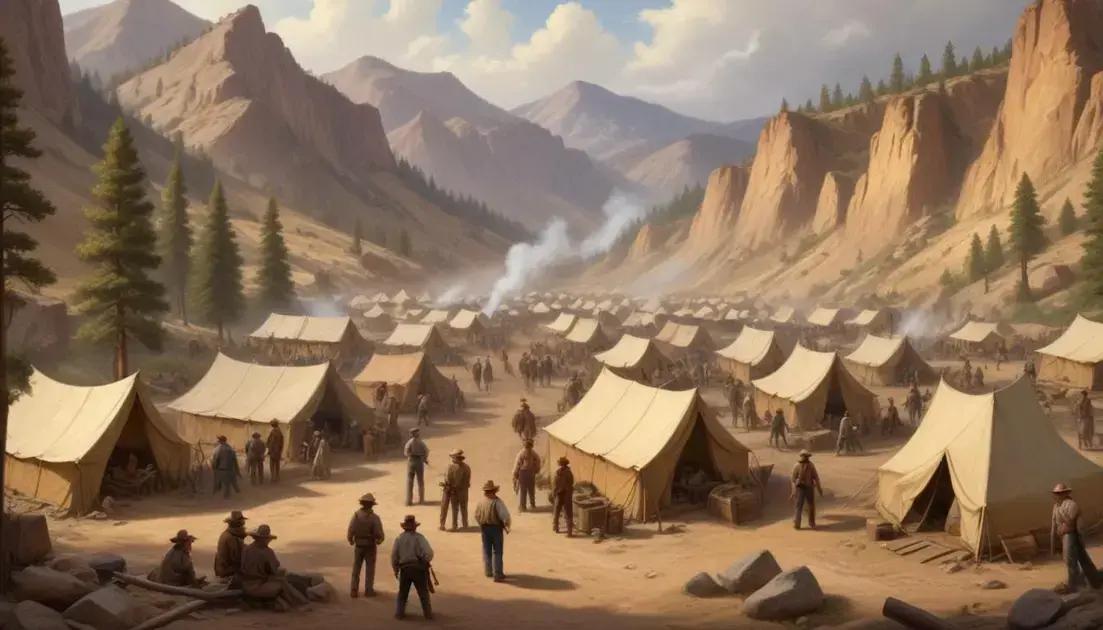
Gold Rush: the event that transformed the American West
The Gold Rush significantly transformed American society, economy, and culture. It drew thousands to California, creating bustling communities and driving economic growth. However, it also had profound impacts on Native American communities, leading to displacement and cultural change. Key lessons from this era include the importance of resilience, community, and environmental awareness. Understanding the Gold Rush helps us appreciate its lasting legacy and the intricate history of America.
The Gold Rush was a transformative event that drew thousands into the wilds of the American West, igniting journeys filled with hope and trepidation. Curious about what drove this massive migration? Let’s dive in!
The Discovery that Started It All
The Gold Rush began in 1848 when gold was discovered at Sutter’s Mill in California. This amazing find sparked excitement across the nation. People from all walks of life dreamed of striking it rich.
The Initial Discovery
James W. Marshall, who was working at a sawmill, stumbled upon shiny gold flakes. At first, he kept it quiet. But soon, word spread like wildfire. News traveled East, igniting a frenzy. Newspapers published stories, and soon folks were packing their bags.
Mass Migration
By 1849, thousands of people, known as forty-niners, headed to California. They came from places near and far. Families, farmers, and adventurers all answered the call of gold. This rush greatly changed the population and culture of California.
The Journey
The journey was long and hard. Many took months to reach California, facing harsh weather and rough terrain. Some traveled by wagon, while others went by ship. Each person had hopes of finding gold to change their lives.
Daily Life of Miners
Life for miners was tough. They worked long hours in rivers and streams. When they found gold, it could be just a few small flakes or a huge nugget. But luck was not easy to come by, and many left disappointed.
Alongside the hard work, there were stories of community and conflict. Miners often formed camps to share news and resources. However, tensions sometimes flared over claims and disputes. Despite these challenges, the thrill of the hunt kept them going.
The Journey West: Perils and Promises
Many who heard about the Gold Rush chose to head west. This journey was filled with perils and promises of riches. Excitement drove them, yet danger lurked at every turn.
The Decision to Leave
Leaving home was not easy. Families packed their belongings, often leaving behind everything. They set out with hope but uncertain of what lay ahead.
Travel Conditions
The road to California was rough. Travelers faced harsh weather, from blazing sun to icy storms. Many took covered wagons, while others walked long distances. Supplies were scarce, and food shortages happened often.
Challenges Along the Way
Along the journey, group members encountered many obstacles. There were rivers to cross, mountains to climb, and illness to fight. Many travelers suffered from fatigue and hunger. Some lost loved ones or had to turn back.
Friendships and Alliances
Despite hardships, the shared journey brought people together. Strangers became friends as they helped one another. Many formed wagon trains for safety in numbers. Community was key to survive the tough times.
Arrival and Hope
The sight of California’s landscape filled travelers with hope. The promise of gold glittered in their minds. Yet, reality often met them with hardship, as not everyone struck it rich. The thrill of adventure kept them moving forward.
Life During the Gold Rush Era
Life during the Gold Rush was a mix of excitement and hardship. Many miners and their families experienced changes they never expected. They moved into camps full of newcomers and opportunities.
Living Conditions
Miners lived in rough, makeshift homes. Some used tents, while others built simple cabins. The camps overflowed with people, leading to crowded conditions. Finding privacy was tough.
Daily Routines
Each day started early. Miners would rise at dawn to dig for gold. Many worked in rivers, using pans to find shiny flecks. They spent hours searching, hoping for rich findings.
Social Life
Despite the hard work, there was a lively social scene. The camps buzzed with music, stories, and laughter. People gathered around campfires to share their experiences. New friendships formed quickly, creating a sense of community.
Challenges Faced
Life wasn’t easy. Miners faced many challenges, like bad weather and illness. Supplies often ran low, and food was hard to come by. Tensions sometimes flared over claims and resources.
Women in the Gold Rush
Women played crucial roles, too. Many accompanied husbands, while others came alone. They often worked in homes, providing support and care. Some ran businesses, like boarding houses and restaurants.
Impact on Culture
The Gold Rush changed California’s culture. It brought diverse people together and created new opportunities. The influx of miners and families turned towns into bustling communities.
Impact on Native American Communities
The Gold Rush had a big impact on Native American communities. As miners flooded into California, their lands and ways of life changed drastically. Many tribes faced serious challenges during this time.
Displacement and Loss
Native Americans were often forced off their land. Miners and settlers claimed the best areas for themselves. This led to a loss of hunting grounds and resources critical for survival.
Changes to Culture
The sudden influx of people changed cultures. Many Native American traditions and practices were disrupted. Some communities struggled to maintain their way of life as outside influences grew stronger.
Conflict and Tensions
As miners pushed deeper into their territories, conflicts erupted. Tensions rose over land rights and resources. Violent confrontations were common, leading to suffering for many Native American groups.
Adaptation and Resilience
Despite these challenges, many Native Americans showed remarkable resilience. They adapted by forming alliances and working with settlers. Some found ways to benefit from the new economy, including trading goods.
Long-Term Effects
The impact of the Gold Rush extended long into the future. Many Native American communities continued to face hardships long after the rush ended. Understanding this history helps us appreciate the enduring struggles of these groups today.
Legacy and Lessons from the Gold Rush
The Gold Rush left a lasting legacy on American history. It shaped countless aspects of life in the West and beyond. The events of this era taught valuable lessons we still remember today.
Economic Impact
The rush spurred economic growth. It led to the development of cities and infrastructure. Industries such as mining, agriculture, and transportation flourished. This economic boom laid the groundwork for future growth.
Cultural Changes
The Gold Rush brought people from diverse backgrounds together. Immigrants from around the world came to seek fortune. Their unique cultures blended to create a rich, new society that shaped California’s identity.
Environmental Considerations
Mining practices had serious environmental effects. Land was damaged, rivers polluted, and wildlife habitats lost. These consequences remind us to consider the impact of our actions on nature today.
Lessons on Community
The rush highlighted the importance of community. Miners formed alliances for safety and support. This sense of teamwork helped many survive tough times and reflects human resilience.
Understanding History
The Gold Rush serves as a reminder of the complexities of history. It brought both opportunities and challenges. Learning from this past helps us navigate present and future issues more wisely.
Conclusion
In conclusion, the Gold Rush was a significant event that changed the landscape of America. It brought hope and opportunity, but also challenges and lessons. The impact on people, communities, and the environment still resonates today.
The stories of resilience, cultural blending, and economic growth remind us of the past’s complexity. As we look to the future, understanding these lessons can help us make better choices. The legacy of the Gold Rush encourages us to balance ambition with responsibility, ensuring we learn from history for a brighter tomorrow.