Jazz Age: music, culture, and transformation
The Jazz Age, also known as the Roaring Twenties, marked a significant transformation in music, culture, and social norms. This vibrant period saw the rise of jazz music, which combined various influences and inspired future genres. The era promoted freedom and changed gender roles, with flappers challenging traditional norms. Its impact is still felt today in fashion, literature, and the ongoing pursuit of social change. Understanding the legacy of the Jazz Age helps appreciate its role in shaping modern culture.
Jazz Age encapsulates a vibrant period of creativity and transformation that reshaped music, culture, and society. Join me as we dive into this fascinating time!
The Origins of the Jazz Age
The Jazz Age started in the early 1900s. It wasn’t just about music; it was also about a new way of living. People wanted more excitement and freedom after going through tough times.
Historical Background
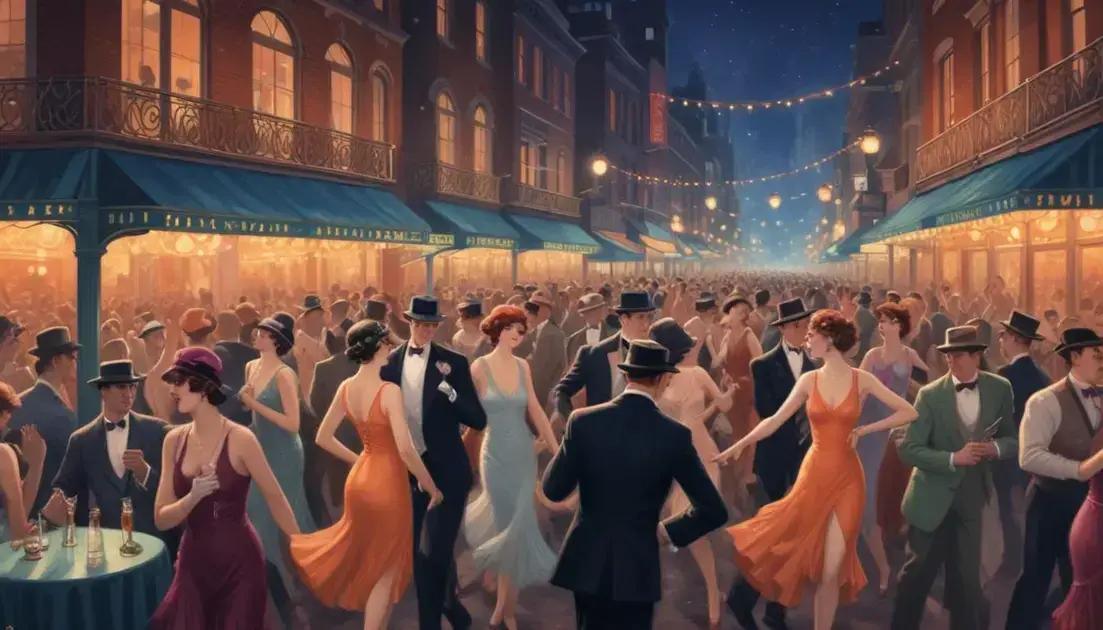
After World War I, people looked for joy and escape. Cities filled with jazz clubs, and dance halls began to pop up everywhere. This was the time when famous musicians like Louis Armstrong and Duke Ellington rose to fame.
Influence of Prohibition
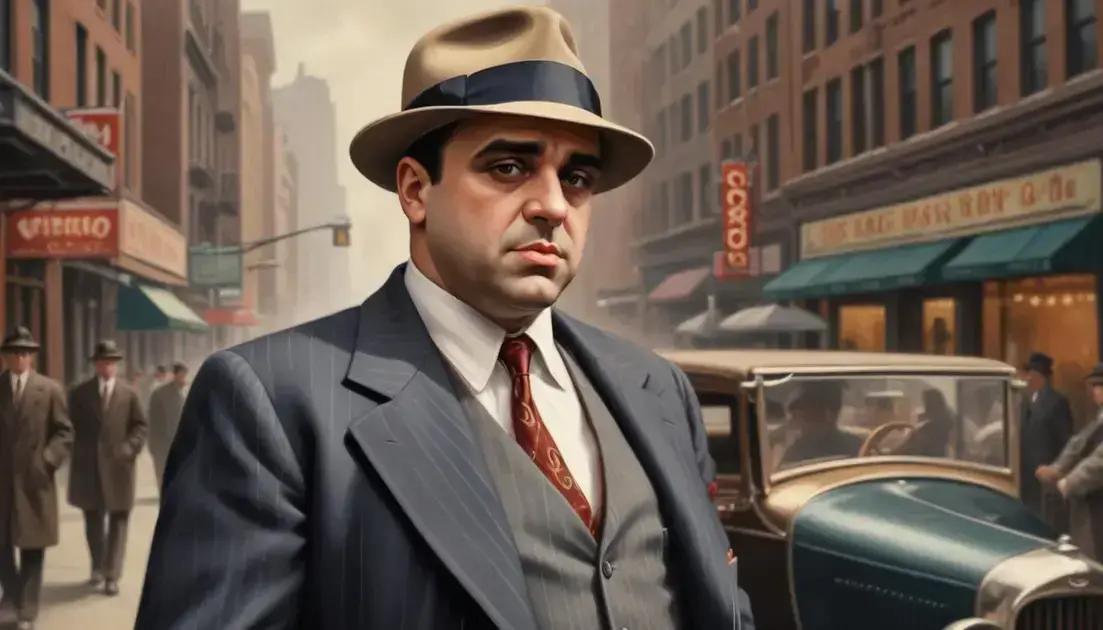
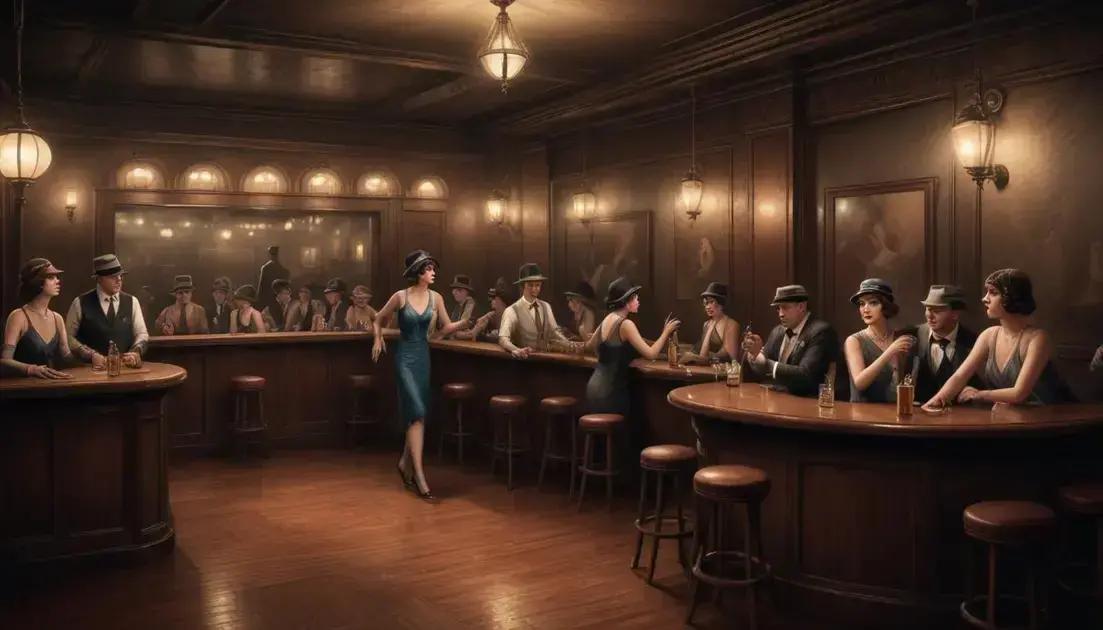
Prohibition played a big role in shaping the Jazz Age. Although alcohol was banned, speakeasies opened and thrived. These secret bars created a lively atmosphere where jazz music flourished.
Cultural Shifts
The Jazz Age reflected a shift in culture. Young people, known as flappers, pushed against traditional norms. They wore shorter dresses and listened to jazz music, showing their independence.
The art and literature also thrived during this time. Writers like F. Scott Fitzgerald captured the essence of the Jazz Age in their work, showcasing the thrill and chaos of the era.
Overall, the origins of the Jazz Age are deeply tied to the spirit of change. It represented a break from the past, filled with hope and creativity that echoed through music and culture.
Impact on Music and Arts
The Jazz Age had a huge impact on music and arts. Jazz music took center stage and changed how people experienced music. It wasn’t just a sound; it was a feeling.
Changes in Music Styles
Jazz combined different influences like blues, ragtime, and European music. This mix created something new and exciting. Musicians began to experiment with improvisation, making each performance unique.
Famous Jazz Artists
Artists like Louis Armstrong and Duke Ellington became stars during this time. Their innovative styles set the course for modern music. Many songs from the Jazz Age are still popular today.
Influence on Other Genres
The Jazz Age also impacted other music styles. Rock and roll, rhythm and blues, and even pop music drew inspiration from jazz. Many of these genres owe their roots to the creativity of the Jazz Age.
Besides music, the visual arts thrived. Artists began to embrace bold colors and modern themes. The Art Deco movement emerged, showcasing geometric shapes and glamorous designs.
Literary Influence
Writers like F. Scott Fitzgerald captured the spirit of the Jazz Age through their stories. They wrote about the thrills and challenges people faced during this vibrant time.
The overall impact of the Jazz Age on music and arts is undeniable. It opened doors to creativity and freedom that continue to influence artists today.
Social Changes and Their Reflection
The Jazz Age was a time of big social changes. People began to break away from old traditions. New ideas about freedom and expression were everywhere.
Changing Gender Roles
Women gained more independence during this time. They challenged norms by wearing shorter dresses and cutting their hair. Flappers became symbols of this change, showing they could enjoy life like men.
Rise of the Youth Culture
Young people became more influential in society. They wanted to have fun and explore new ideas. Jazz music became their main voice, helping to express their thoughts and feelings.
Impact on Society
This era saw many changes in family structures. Many couples chose to marry later. Some even decided not to marry at all, focusing on personal happiness.
People started to question traditional beliefs. New philosophies like modernism encouraged risk-taking and creativity. These ideas spread through art, literature, and even everyday life.
Racial Integration
The Jazz Age also pushed boundaries for racial integration. Jazz music brought together different races. African American musicians gained recognition and respect in the mainstream culture.
This blend of cultures shaped the music scene and created a sense of community among diverse groups. Social changes during the Jazz Age reflect a time of growth and transformation.
The Legacy of the Roaring Twenties
The Roaring Twenties left a lasting legacy that still influences us today. This decade was about change, creativity, and freedom. Many aspects of modern culture stem from this exciting time.
Influence on Modern Music
Jazz music paved the way for many genres we love today. It blended various styles and created something fresh. Artists continue to draw inspiration from the rhythms and improvisation of jazz.
Fashion Trends
Fashion from the 1920s still affects how we dress. The flapper style, with its elegant dresses and bold accessories, inspired modern fashion trends. People now embrace individuality more than ever.
Literary Contributions
Writers like F. Scott Fitzgerald captured the essence of the era. Their works still resonate, discussing themes of change and hope. These literary contributions encourage us to reflect on our society.
Social Changes
The Jazz Age also brought significant social changes. Ideas about gender and race began to shift. People grew more open-minded and accepted new roles for women and minorities.
The lessons learned during the Roaring Twenties continue to inspire movements for equality and freedom. The legacy of this vibrant decade reminds us to celebrate creativity and embrace change.
Conclusion
In conclusion, the Jazz Age and the Roaring Twenties represent an important turning point in history. This vibrant period brought significant changes to music, arts, and social norms that shaped our modern world. The creativity and freedom felt during this time continue to inspire artists and thinkers today.
As we look back, we see how the boldness of the 1920s broke down barriers and opened doors for future generations. Understanding these influences helps us appreciate the rich cultural heritage we have today. Celebrating the legacy of this era reminds us to embrace change and creativity in our own lives.