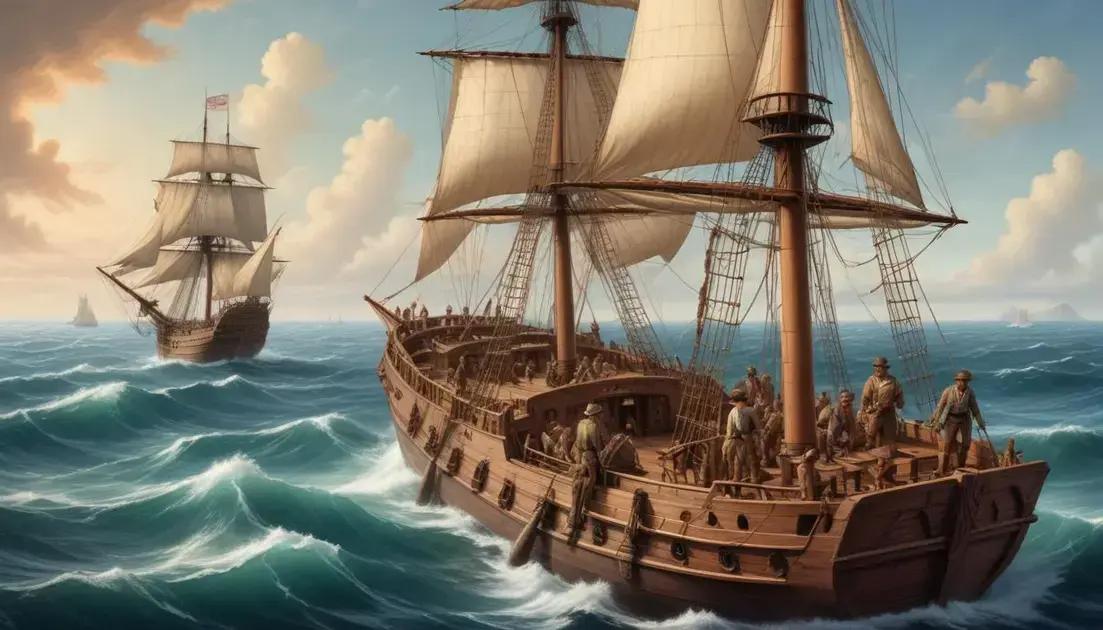
Age of Exploration: the race for new worlds
The Age of Exploration was marked by significant journeys of famous explorers like Columbus and Magellan, leading to the discovery of new lands and trade routes. This period reshaped global trade and cultural exchanges, while also having lasting effects on indigenous populations. Although it opened new opportunities and connections, it also brought challenges such as colonization and displacement. Understanding the complex legacy of these explorers is crucial for appreciating the world we live in today.
Exploration has always captivated the human spirit, driving adventurers across unknown seas. Are you ready to join us on a journey through the Age of Exploration?
Understanding the Age of Exploration
The Age of Exploration, which began in the 15th century, was a thrilling time for adventurers and nations. Explorers set out on dangerous voyages across uncharted waters. They sought new lands, riches, and trade routes.
Why Did Exploration Happen?
Countries like Spain, Portugal, and England wanted to expand their empires. They dreamed of finding gold, spices, and other treasures. This drive led to many expeditions.
Famous Explorers
Many explorers made their mark during this time. Christopher Columbus sailed across the Atlantic, believing he could reach Asia. Instead, he stumbled upon the Americas. Vasco da Gama sailed around Africa to reach India, opening new trade paths.
What Changes Did It Bring?
The Age of Exploration changed the world. Maps were redrawn, and trade flourished. Cultures were exchanged, but not all changes were positive. The arrival of Europeans had a huge impact on native populations.
The Quest for Knowledge
Explorers didn’t just seek wealth. Many were also curious about the world. They documented new species, cultures, and geography. Their journals provide us with valuable information today.
Legacy of Exploration
The Age of Exploration left a lasting legacy. It led to the rise of powerful empires and shifted global trade. Today, we recognize both the achievements and the darker consequences of this era.
Famous Explorers and Their Journeys
Throughout history, many famous explorers have embarked on remarkable journeys. These adventurers traveled to new lands and brought back incredible tales. Their stories are a big part of the Age of Exploration.
Christopher Columbus
In 1492, Columbus sailed from Spain across the Atlantic. He believed he could reach Asia, but instead, he found the Americas. His journey opened the door for more exploration.
Ferdinand Magellan
Magellan’s expedition was the first to circumnavigate the globe. He began his journey in 1519, but he unfortunately didn’t survive the trip. His crew returned to Spain in 1522, proving the world is round.
Vasco da Gama
In 1498, Vasco da Gama took a different route. He sailed around Africa to reach India. This new path helped establish a direct trade route between Europe and Asia.
Henry Hudson
Hudson explored parts of North America in the early 1600s. He searched for the Northwest Passage, a way to Asia through the Arctic. Though he didn’t find it, his journeys were still important for future explorers.
Explorers of the Pacific
Explorers like James Cook and Abel Tasman uncovered much of the Pacific Ocean. They mapped new islands and cultures, expanding the world’s understanding of geography.
These explorers faced storms, shipwrecks, and unfriendly shores. Yet, their bravery and curiosity led to discoveries that changed history. Their journeys not only filled maps but also connected diverse cultures across the globe.
Impact on Trade and Cultures
The Age of Exploration had a huge impact on trade and cultures worldwide. As explorers discovered new lands, they opened up exciting new trade routes. These routes changed how goods were exchanged between continents.
New Trade Goods
Explorers brought back valuable items like spices, gold, and silk. These goods were highly sought after in Europe. Spices from Asia, for example, became essential for preserving food and enhancing flavors.
Exchange of Ideas
As trade expanded, so did the exchange of ideas. Cultures began to mix in fascinating ways. The European interest in Asian products led to new art, customs, and even technology.
Impact on Indigenous Cultures
However, the impact wasn’t always positive. Indigenous cultures faced challenges as European settlers arrived. Many native people lost their lands and traditions due to colonization.
Slave Trade
The Age of Exploration also gave rise to the slave trade. Millions of Africans were taken to the Americas to work on plantations. This tragic chapter deeply affected societies on both sides of the Atlantic.
Cultural Blending
Despite the hardships, cultures mixed in exciting ways. African, European, and Native American traditions influenced each other. This blending can still be seen in music, food, and language today.
Trade and cultural exchanges during the Age of Exploration shaped the world we live in now. These connections laid the groundwork for globalization.
The Race for New Lands
The race for new lands was a key part of the Age of Exploration. Countries competed to claim territories and resources. This competition drove many explorers to undertake risky voyages.
Motivation for Exploration
Nations wanted to expand their empires and gain wealth. They searched for new trade routes and resources. Gold and spices were like treasure chests waiting to be opened.
Key Players in the Race
Spain and Portugal were leaders in exploration. They sent famous explorers like Columbus and Magellan into the unknown. Other countries like England and France soon joined the race.
Territorial Claims
As explorers discovered new lands, they claimed them for their home countries. This often led to conflicts with other nations. Many territories were battled over on distant shores.
Impact on Indigenous Peoples
The quest for new lands had serious effects on indigenous peoples. Many native groups faced displacement as explorers arrived. Colonization disrupted their ways of life.
Exploration Legacy
The race for new lands forever changed the world. It led to the spread of cultures and ideas. Today, we can see the lasting effects of these journeys.
Explorers left a complex legacy. Their discoveries shaped world history, connecting distant places and peoples.
Legacy of the Explorers
The legacy of the explorers is rich and complex. Their journeys shaped the world we know today. They connected distant lands and cultures through their daring expeditions.
Mapping the Unknown
Explorers created maps that filled in blank spots. These maps guided future travelers and traders. They helped nations understand global geography better.
Impact on Trade
Explorers opened new trade routes, boosting economies. Goods like spices, gold, and silk became available. This led to increased wealth for many nations.
Cultural Exchange
Exploration brought cultures together, sparking exchanges of ideas and traditions. This cultural blending changed art, cuisine, and languages across continents.
Consequences for Indigenous Peoples
Sadly, the legacy isn’t all positive. Many indigenous peoples suffered due to colonization. Their lands were taken, and their cultures often struggled to survive.
Inspiration for Future Generations
The spirit of exploration inspires us today. Modern adventurers and researchers follow in their footsteps. Their curiosity and drive continue to fuel discoveries.
Explorers left a mark that resonates in history books and beyond. Understanding their legacy helps us appreciate our world today.
Conclusion
In conclusion, the Age of Exploration had a lasting impact on our world. Explorers like Columbus and Magellan opened new trade routes and connected different cultures. Their journeys helped broaden our maps and understandings of geography.
However, this period also brought challenges. Many indigenous people faced hardships due to colonization. While we celebrate the spirit of exploration, it’s important to remember its complex legacy.
Today, the stories of these explorers inspire us. They remind us of the power of curiosity and adventure. As we look to the future, we should honor their contributions while learning from the past. The journey of discovery continues, and each new exploration shapes our world further.